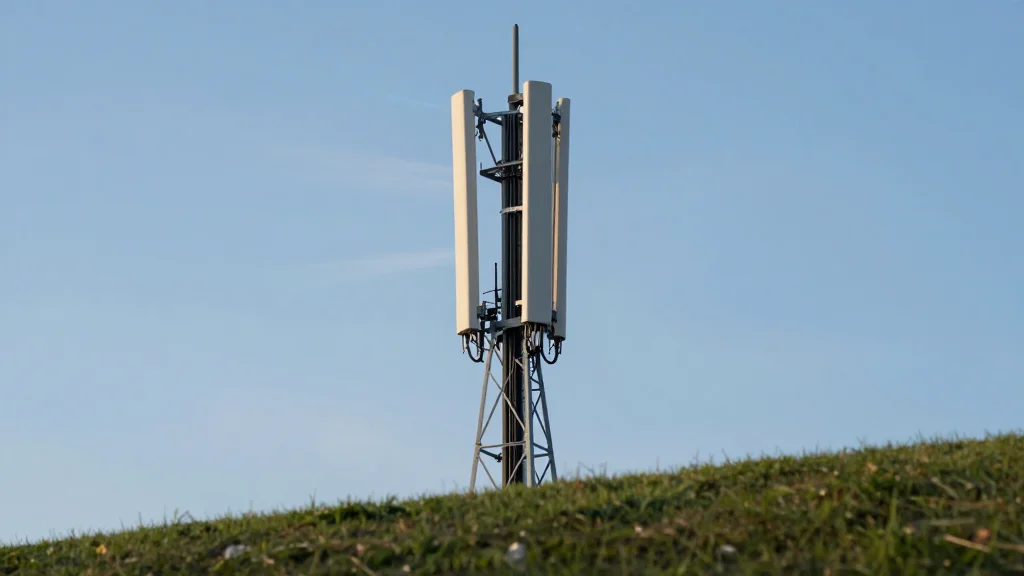
Verizon Confirms No Nationwide Outage on April 11, 2026 Amid Isolated Service Reports

Why It Matters
The confirmation that Verizon’s network remains intact on April 11, 2026, matters because the carrier serves roughly 150 million wireless customers and millions of Fios subscribers, making any outage a potential systemic risk for the U.S. communications ecosystem. Reliable service is a prerequisite for emergency response, financial transactions, and the growing suite of IoT devices that depend on uninterrupted connectivity. Moreover, the episode underscores how quickly consumer perception can shift when isolated complaints proliferate on social media, prompting carriers to maintain robust, publicly accessible monitoring tools. In the broader telecom sector, Verizon’s handling of the situation sets a benchmark for crisis communication. By promptly publishing status data and avoiding alarmist language, the company mitigates the risk of panic‑driven churn and protects its market valuation. The episode also serves as a reminder to regulators that real‑time transparency can be an effective non‑regulatory lever to ensure network resilience, especially as the industry integrates 5G, edge computing, and satellite‑backhaul services that increase system complexity.
Key Takeaways
- •Verizon reported no nationwide outage on April 11, 2026, despite isolated complaints.
- •Downdetector and Verizon's own outage checker showed only normal daily report levels.
- •The Jan. 14, 2026 outage affected millions for roughly ten hours and triggered congressional scrutiny.
- •Verizon advises standard troubleshooting steps and offers a public network‑status tool for localized checks.
- •Transparent communication helps preserve consumer trust and stabilizes telecom stock performance.
Pulse Analysis
Verizon’s rapid denial of a national outage reflects a maturing approach to network transparency that could become an industry standard. In the wake of the Jan. 14 blackout, the carrier invested heavily in automated monitoring dashboards and public‑facing status portals, recognizing that real‑time data can pre‑empt misinformation cascades on social platforms. This shift mirrors a broader trend where telecom operators treat network health as a public‑relations asset, not merely an internal metric.
Historically, major outages have translated into short‑term share price dips and longer‑term regulatory pressure. Verizon’s ability to isolate the April 11 incidents as localized glitches helps avoid the market volatility seen after the earlier software failure, where its stock fell over 3 % in a single trading day. By keeping the narrative focused on routine maintenance and user‑level troubleshooting, the company sidesteps the narrative of systemic fragility that competitors like AT&T and T‑Mobile have struggled to shake off after their own service disruptions.
Looking forward, the episode underscores the growing interdependence between terrestrial carriers and satellite broadband providers such as SpaceX’s Starlink. As investors increasingly benchmark satellite internet against legacy telecoms, any perceived weakness in the latter’s network reliability could accelerate customer migration to alternative connectivity solutions. Verizon’s proactive communication strategy, therefore, not only protects its current subscriber base but also positions it to compete in a market where the definition of ‘network reliability’ is expanding beyond fiber and cellular towers to include low‑Earth‑orbit constellations.
Verizon Confirms No Nationwide Outage on April 11, 2026 Amid Isolated Service Reports
Comments
Want to join the conversation?
Loading comments...