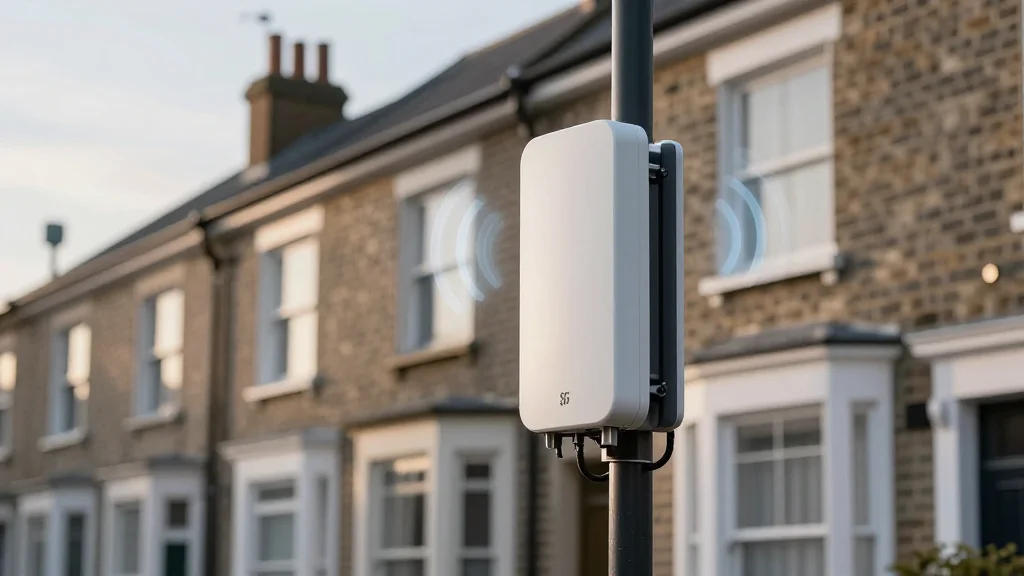
Vodafone Rolls Out 5G Fixed‑line Broadband to 3.7 M UK Homes, Speeds up to 150 Mbps

Companies Mentioned
Why It Matters
The launch of Vodafone's 5G fixed‑line broadband marks a pivotal shift in how high‑speed internet is delivered in the UK. By bypassing the costly and time‑consuming process of laying new fibre, Vodafone can quickly serve underserved households, potentially accelerating broadband adoption in rural and rental markets. The price competition with Three also puts pressure on traditional broadband providers to rethink pricing and service models, which could lead to lower bills and more flexible contracts for consumers. For the telecom industry, the deployment demonstrates the commercial viability of 5G FWA as a mainstream broadband solution, not just a niche offering. Success could spur other operators to invest in similar fixed‑wireless strategies, reshaping capital allocation away from extensive fibre builds toward spectrum‑focused network upgrades and edge infrastructure.
Key Takeaways
- •Vodafone adds 3.7 M UK homes to its 5G broadband footprint, reaching over 26 M premises total.
- •Speeds of up to 150 Mbps are offered, with unlimited data and no engineer visit required.
- •Monthly pricing starts at £21 ($27) on a 24‑month contract; Three offers a similar plan at £18 ($23).
- •Service targets households lacking full‑fibre, especially in rural and rental properties.
- •Future rollout includes outdoor hub devices and potential satellite backhaul integration.
Pulse Analysis
Vodafone's 5G broadband rollout is a textbook example of network convergence, where mobile spectrum assets are repurposed to serve fixed‑line demand. The strategy leverages the operator's extensive 5G spectrum holdings, acquired through the Vodafone‑Three merger, to sidestep the capital intensity of traditional fibre deployments. Historically, fixed‑wireless has been viewed as a stop‑gap; Vodafone's pricing and coverage ambitions suggest a longer‑term play that could redefine the economics of last‑mile connectivity.
The pricing duel with Three is likely to intensify. While Vodafone positions its service as a premium, hassle‑free alternative, Three's lower price point may attract cost‑conscious consumers, especially those already on Three mobile plans. If Three can sustain its margin, we could see a tiered market where Vodafone targets higher‑ARPU households seeking reliability, while Three captures the price‑sensitive segment. This bifurcation could force incumbents like BT and Sky to accelerate their own fixed‑wireless pilots or offer bundled discounts to retain customers.
Looking forward, the success of Vodafone's 5G broadband will hinge on three factors: adoption speed, network performance in dense urban cores versus rural outliers, and the ability to monetize ancillary services such as smart‑home hubs or edge‑cloud offerings. Should uptake exceed expectations, investors may view 5G FWA as a new revenue engine, potentially boosting Vodafone's earnings guidance and justifying further spectrum acquisitions. Conversely, if performance lags or churn from existing fibre customers accelerates, the initiative could become a costly experiment. The next quarter's subscriber data will be a critical barometer for the broader industry's shift toward 5G‑enabled fixed broadband.
Vodafone rolls out 5G fixed‑line broadband to 3.7 M UK homes, speeds up to 150 Mbps
Comments
Want to join the conversation?
Loading comments...