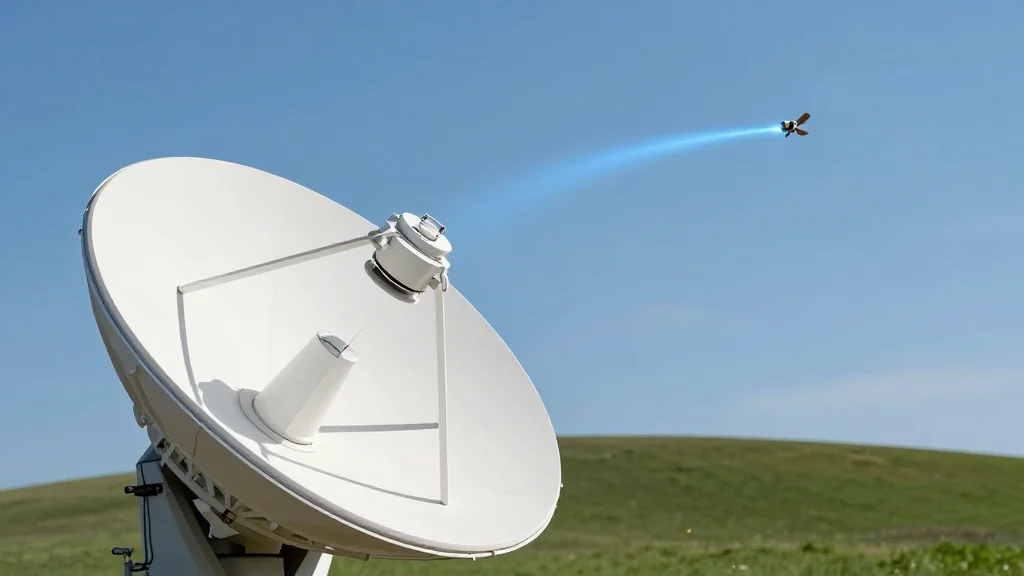
VodafoneThree Gets Green Light for Satellite Smartphone Connectivity
Key Takeaways
- •Ofcom green‑lights VodafoneThree's 900 MHz satellite D2D service.
- •Trials start summer 2026 using AST SpaceMobile's Bluebird satellites.
- •Service will support data, voice, and SMS on standard phones.
- •Regulatory changes mirror O2's earlier 1800 MHz exemption.
- •Joint venture rebranded as Satellite Connect Europe.
Pulse Analysis
The United Kingdom’s regulator, Ofcom, has cleared VodafoneThree to launch a direct‑to‑device (D2D) satellite service using its existing 900 MHz mobile spectrum. This decision follows a similar regulatory concession granted to rival O2 earlier in the year, marking the first time two major mobile operators can bypass terrestrial towers for voice, SMS and data. By amending the Wireless Telegraphy Regulations, Ofcom creates a framework that treats certain low‑Earth‑orbit (LEO) frequencies as exempt from traditional licensing, paving the way for faster rollout of satellite‑enhanced mobile coverage across the country.
The approved 900 MHz band offers a unique blend of propagation characteristics: lower frequency signals penetrate foliage and buildings better than higher‑frequency 1800 MHz bands, while still supporting the modest data rates required for everyday messaging and voice calls. VodafoneThree will partner with AST SpaceMobile, leveraging the company’s Bluebird LEO constellation, which operates at roughly 500‑kilometre altitude and is designed for direct handset communication without a ground gateway. The joint venture, now branded Satellite Connect Europe, aims to begin customer trials in the summer of 2026, testing seamless handover between terrestrial and satellite networks.
The entry of VodafoneThree into the satellite‑mobile arena intensifies competition and could accelerate consumer adoption of resilient connectivity, especially in rural, maritime and disaster‑prone regions. Industry analysts expect the dual‑operator landscape to spur price competition, drive innovation in handset antenna design, and encourage further spectrum reallocations for satellite use. For investors, the move signals a broader shift toward integrated connectivity solutions that blend 5G and LEO assets, potentially unlocking new revenue streams and reinforcing the United Kingdom’s position as a testing ground for next‑generation mobile infrastructure.
VodafoneThree gets green light for satellite smartphone connectivity
Comments
Want to join the conversation?