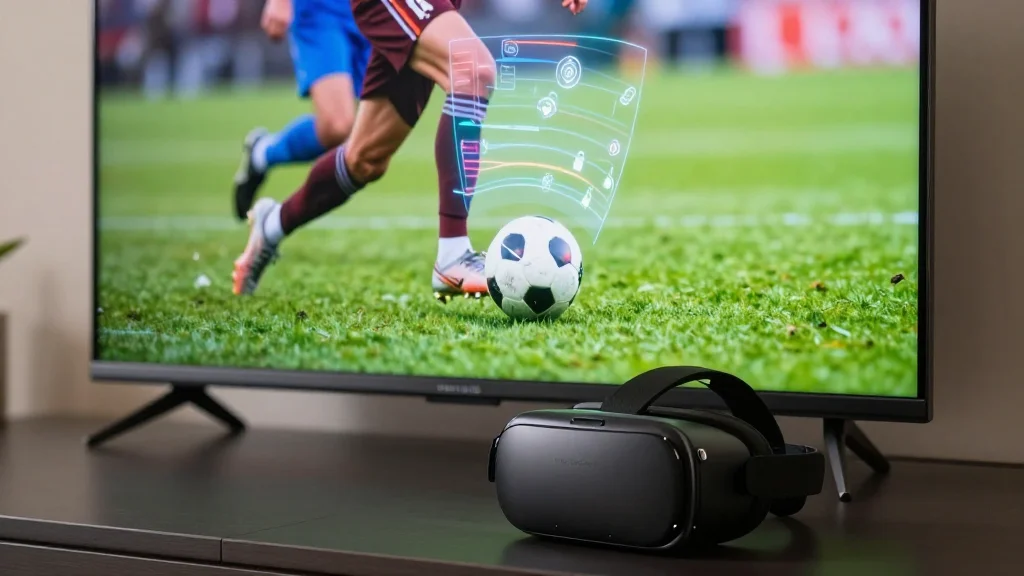
BBC Promises Second Screen Watch-Alongs and Immersive VR Experiences in FIFA World Cup Coverage
Why It Matters
By integrating immersive tech and social streaming, the BBC aims to capture younger, digitally native audiences and set a new standard for sports broadcasting in the UK. This strategy could reshape advertising models and pressure competitors to accelerate their own interactive offerings.
Key Takeaways
- •BBC adds live VR for England and Scotland matches.
- •Second-screen watch-alongs launch across YouTube, TikTok, and social.
- •Interactive 3D experience lets viewers control camera angles.
- •Real-time graphics and analytics enhance tactical insight.
- •BBC shares World Cup rights with ITV, expanding UK coverage.
Pulse Analysis
The BBC’s multi‑platform rollout for the 2026 FIFA World Cup reflects a broader shift in sports media toward immersive, on‑demand experiences. By delivering live matches in UHD via iPlayer while simultaneously hosting second‑screen watch‑alongs on YouTube, TikTok and other social channels, the broadcaster is targeting cord‑cutters and Gen‑Z viewers who expect content wherever they are. This approach not only broadens reach but also creates new inventory for programmatic advertising, allowing brands to engage audiences in real time during high‑stakes moments.
At the heart of the BBC’s plan is a suite of interactive technologies that give fans unprecedented control. The new 3‑D experience on the BBC Sport website lets users switch camera angles, rewind key plays and explore tactical data powered by live feeds. Coupled with real‑time graphics and advanced on‑screen analytics, the service offers a deeper tactical understanding that traditionally required post‑game analysis. The VR component, focused on England and Scotland fixtures, adds a layer of immersion that could become a benchmark for future tournament coverage, pushing competitors to invest in similar capabilities.
From a business perspective, the partnership with ITV ensures rights coverage while the BBC differentiates itself through digital innovation. The interactive features open doors for premium sponsorships, data‑driven ad placements and subscription‑based add‑ons, potentially offsetting the high costs of World Cup rights. As broadcasters worldwide grapple with fragmented viewership, the BBC’s strategy illustrates how leveraging emerging tech can both retain legacy audiences and attract new ones, setting a template for upcoming mega‑events like the Olympics or future World Cups.
BBC promises second screen watch-alongs and immersive VR experiences in FIFA World Cup coverage
Comments
Want to join the conversation?
Loading comments...