From Stations To Brands: How The Duopoly Is Rewiring Local Television
Key Takeaways
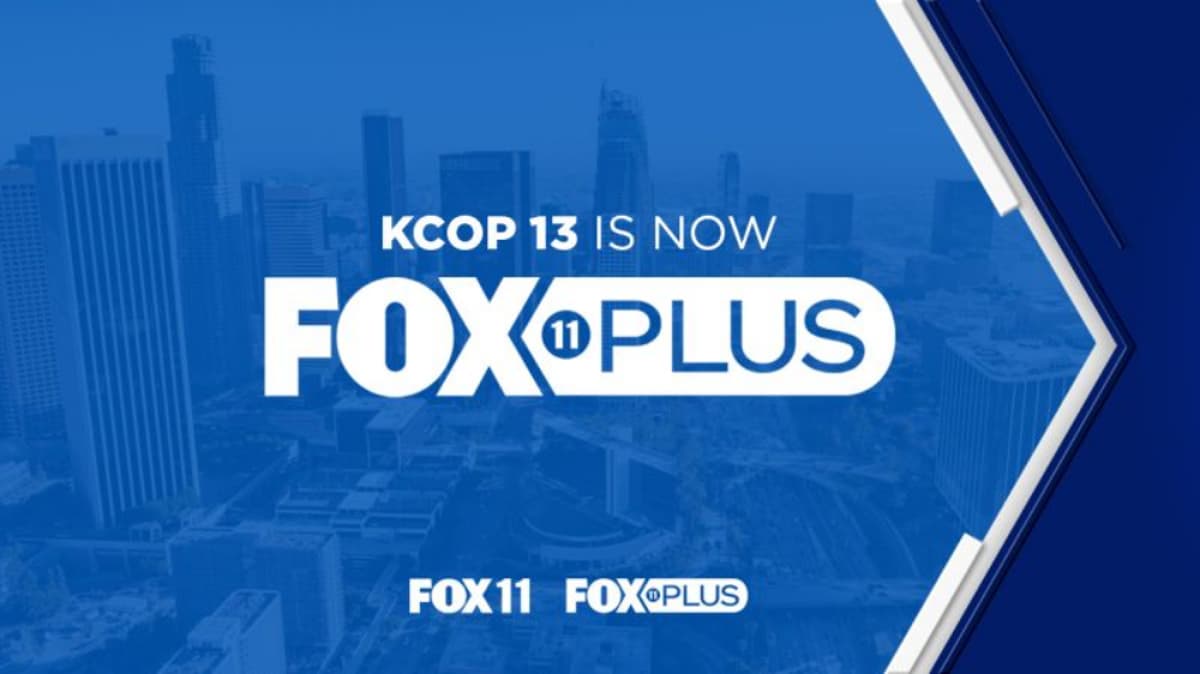
- •Fox brands secondary stations as “Plus” extensions of its primary channel
- •CBS positions the newsroom, not the call letters, as the market franchise
- •Gray’s Arizona’s Family unites news, weather, sports, and streaming under one name
- •Scripps blends operations while keeping a separate on‑air identity for flexibility
Pulse Analysis
The duopoly originated from FCC rule relaxations that let owners hold two stations in the same market, primarily to achieve economies of scale. Historically, each station operated as a distinct product, with separate branding, sales teams, and programming line‑ups. As advertising dollars fragmented across digital outlets, the marginal benefit of a second channel diminished, prompting broadcasters to rethink the asset’s purpose. By treating the duopoly as a single brand platform, owners can leverage shared newsrooms, production resources, and advertising sales, turning what was once a compliance construct into a strategic growth lever.
Fox’s “Plus” model, CBS’s newsroom‑centric branding, and Gray’s Arizona’s Family illustrate how the second station can become a content multiplier rather than a standalone outlet. The unified brand simplifies audience acquisition: viewers discover "Fox 11" or "Arizona’s Family" through apps, smart‑TV interfaces, and social feeds, bypassing legacy channel numbers. For advertisers, a single brand package offers broader reach across linear, OTT, and FAST channels, enabling bundled deals and more precise audience targeting. The model also supports local sports rights, as seen with Arizona’s Family Sports, which integrates NBA and WNBA content into the same brand ecosystem, driving higher ad rates and cross‑promotion opportunities.
Looking ahead, the brand‑centric duopoly could become the template for a post‑channel local media landscape. As cord‑cutting accelerates and next‑gen TV standards emphasize app‑first experiences, broadcasters that consolidate their identity will be better positioned to negotiate carriage, attract national sponsors, and experiment with subscription or premium content. Challenges remain, including maintaining local trust while scaling digital distribution and navigating FCC ownership caps. Nevertheless, the shift from station‑centric to brand‑centric thinking offers a pathway for legacy broadcasters to preserve their market relevance and monetize their unique local assets in an increasingly fragmented media ecosystem.
From Stations To Brands: How The Duopoly Is Rewiring Local Television
Comments
Want to join the conversation?