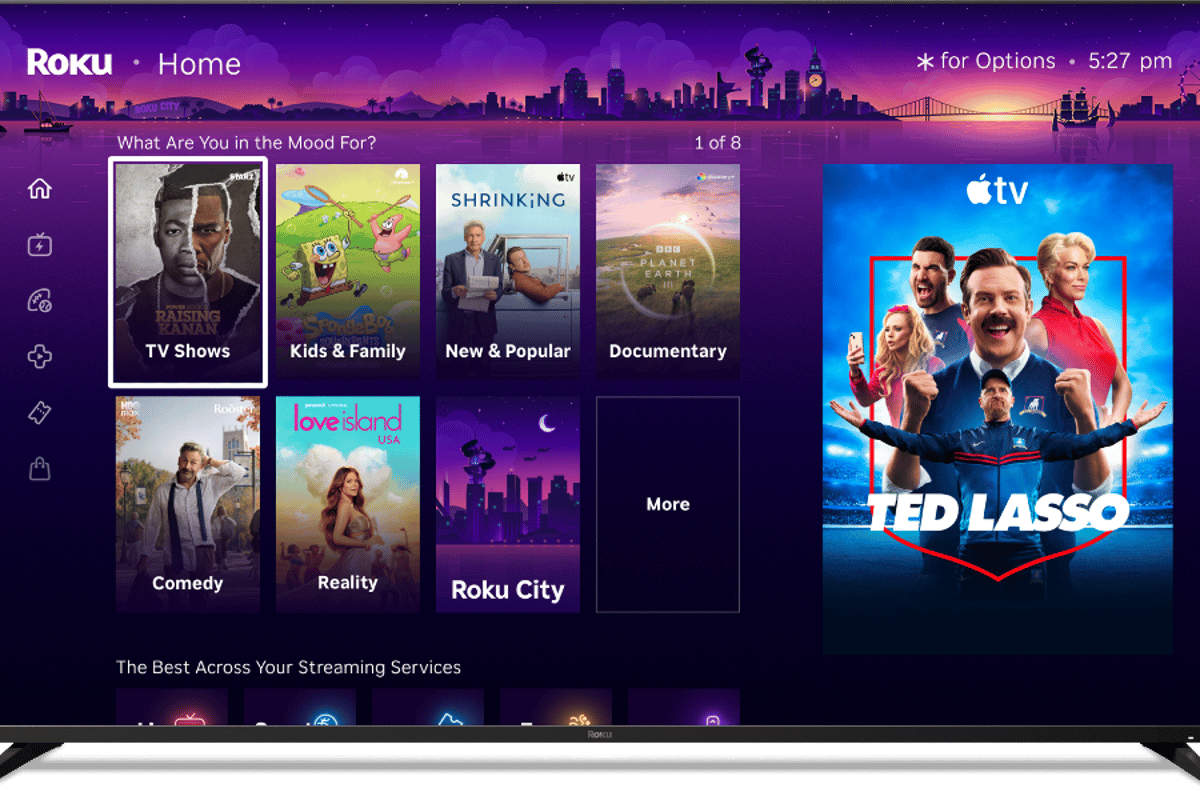
Roku’s Home Screen Redesign Shows Why Streaming Discovery Is Moving Upstream
Companies Mentioned
Why It Matters
Controlling the first screen lets platforms steer audience attention, boost content performance, and open new monetization streams, reshaping the power balance among streamers and advertisers.
Key Takeaways
- •Home-screen redesign makes OS the primary discovery layer
- •Roku’s own content gains premium shelf space, boosting ad revenue
- •$5.2 M promotional value shows measurable impact of screen placement
- •Competitors must negotiate visibility on platform-controlled home screens
- •Measurement standards for CTV shelf exposure remain underdeveloped
Pulse Analysis
The streaming landscape has long been defined by content libraries, pricing tiers, and in‑app engagement metrics. Over the past few years, however, the first point of contact—the TV home screen—has emerged as a decisive factor in what viewers actually watch. As connected‑TV ecosystems become more crowded, operating systems are evolving from neutral gateways into curated storefronts, using algorithms and editorial curation to surface titles before users even launch an app. This upstream shift mirrors retail shelf placement, where visibility directly translates into sales.
Roku’s latest redesign exemplifies this trend. By reorganizing app icons, recommendation rows, and shortcuts, the platform reduces friction and amplifies the prominence of its own properties, such as The Roku Channel. The $5.2 million promotional value attributed to the launch of “The Reunion: Laguna Beach” illustrates how strategic placement can be quantified and monetized. Competitors like Amazon Fire TV and Google TV are adopting similar tactics, integrating live sports, FAST channels, and YouTube into their home‑screen experiences to capture attention early in the viewing journey.
For advertisers and content owners, the rise of CTV shelf merchandising creates both opportunity and risk. While a well‑placed row can drive discovery and boost ad revenue, reliance on platform‑controlled visibility raises concerns about fairness and transparency. Measurement frameworks have yet to catch up; traditional metrics track impressions, clicks, and subscriptions, but rarely capture the incremental lift from home‑screen exposure. As the industry refines attribution models, stakeholders will need clearer standards to negotiate placement, assess value, and ensure a balanced ecosystem where discovery benefits both platforms and independent creators.
Roku’s Home Screen Redesign Shows Why Streaming Discovery Is Moving Upstream
Comments
Want to join the conversation?
Loading comments...