The State of Live Sports Streaming Piracy in 2026
Companies Mentioned

Why It Matters
Piracy erodes both direct subscription income and the advertising value tied to live‑sports viewership, threatening the financial model of rights‑holders and broadcasters. Effective anti‑piracy measures are essential to protect revenue streams and preserve market confidence.
Key Takeaways
- •Live‑sports piracy now focuses on real‑time recasting of premium events
- •Bars use $19 single‑user passes to drive $10,000 in sales
- •Mass‑scale pop‑up recasters operate globally, hard to shut down
- •Lost eyeballs mean advertisers and rights‑holders miss revenue
- •BuyDRM supplied anti‑piracy for Super Bowl, Olympics, Kentucky Derby
Pulse Analysis
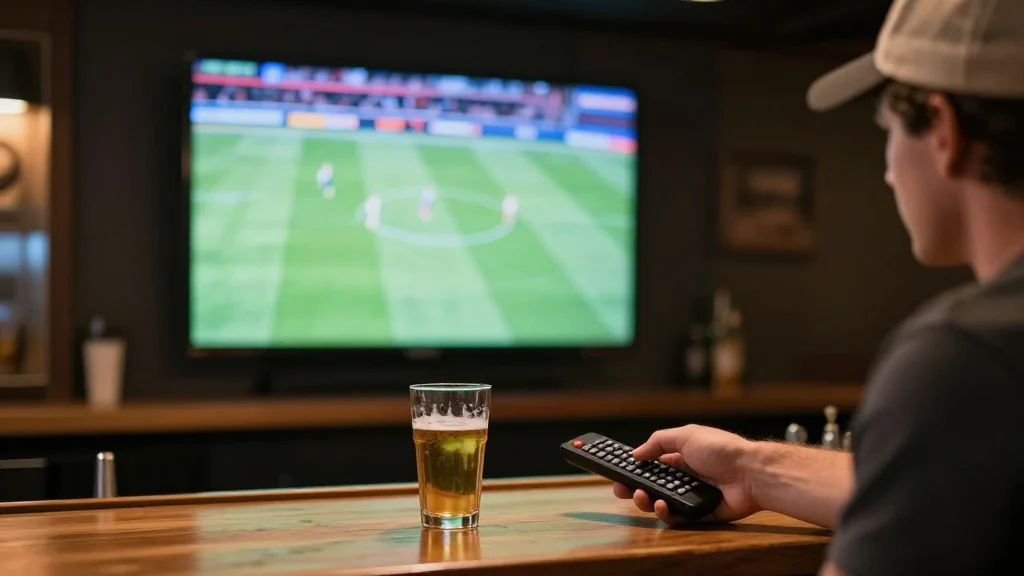
The 2026 landscape of live‑sports streaming piracy reveals a shift from post‑event file sharing to real‑time recasting. Criminal operators intercept high‑value feeds—Super Bowl, Olympics, European football—and redistribute them to public venues using inexpensive devices. This model leverages the immediacy of live content, where the value of a broadcast drops sharply once highlights circulate, making the window for profitable piracy just a few hours. As a result, bars and restaurants can attract patrons with a $19 pass while generating tens of thousands in ancillary revenue, creating a lucrative incentive for illicit streams.
For rights‑holders, the damage extends beyond lost subscription fees. Advertisers purchase inventory based on guaranteed audience metrics; when viewers flock to unlicensed streams, the promised eyeballs disappear, eroding ad revenue and diminishing the return on multi‑million‑dollar licensing deals. The ripple effect forces broadcasters to reassess pricing structures and invest heavily in detection technologies. Companies like BuyDRM are deploying watermarking, AI‑driven fingerprinting, and rapid takedown protocols to disrupt the piracy chain before it reaches the consumer.
Industry response is evolving toward a multi‑layered defense. Partnerships between content owners, device manufacturers, and anti‑piracy firms aim to embed protection at the source, while legal actions target the infrastructure of pop‑up recasters operating across jurisdictions. Simultaneously, rights‑holders are exploring flexible pricing and localized streaming options to reduce the appeal of illicit alternatives. Balancing robust security with affordable, legitimate access will be critical to preserving the economic viability of live‑sports broadcasting in the years ahead.
The State of Live Sports Streaming Piracy in 2026
Comments
Want to join the conversation?
Loading comments...