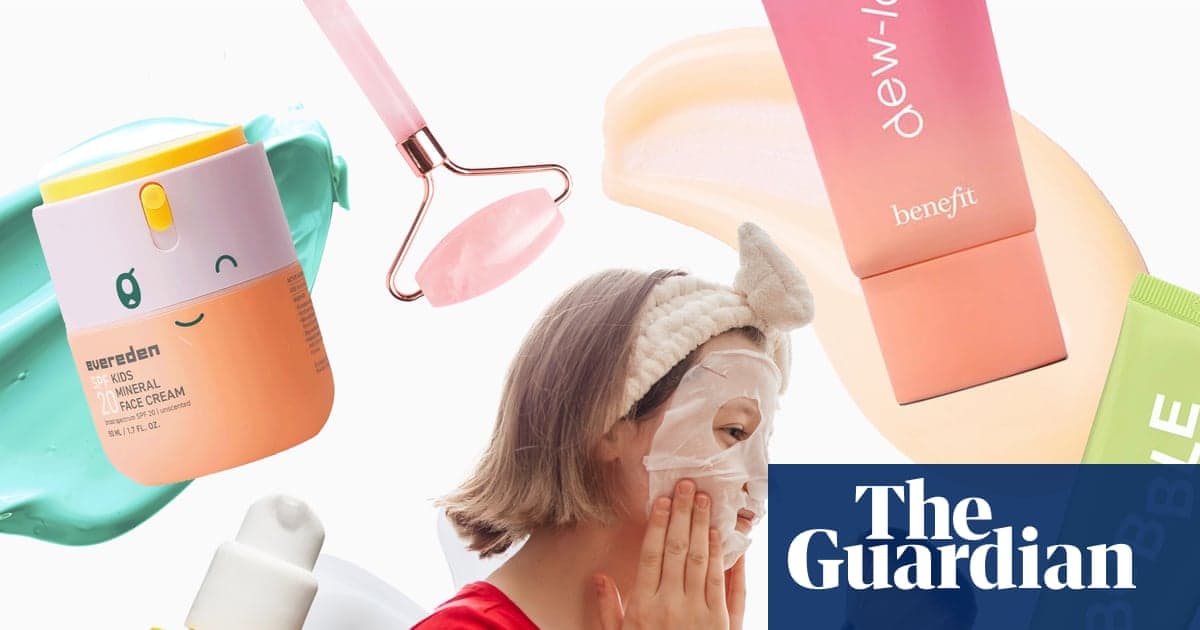
‘An Element of Exploitation’: The World of TikTok Child Skincare Influencers
Why It Matters
The trend blurs the line between advertising and child labour, raising regulatory, safety and ethical concerns for the beauty industry and its young audience.
Key Takeaways
- •Italian regulator probes LVMH brands for covert child‑targeted marketing
- •Evereden’s ambassador program lacks a clear age limit, accepting 12‑year‑olds
- •Bubble now requires ambassadors 16+, but legacy contracts remain
- •Experts say product‑based compensation still counts as remuneration under labour law
- •Parents cite skill‑building benefits but warn of exploitation and unpaid labour
Pulse Analysis
The surge of teenage skincare influencers on TikTok reflects a broader shift in digital marketing, where brands chase authentic voices to reach Gen‑Z consumers. Companies such as Benefit, Sephora, Evereden and Bubble have launched ambassador schemes that reward participants with free products, points or event access, effectively turning minors into unpaid brand advocates. While this strategy can boost engagement, it also sidesteps traditional advertising disclosures and places children in a regulatory gray zone, especially when the content promotes potent actives like retinols that dermatologists caution against for young skin.
Regulators in Europe and the United States are beginning to take notice. Italy’s AGCM has opened an inquiry into LVMH for allegedly failing to label anti‑ageing cosmetics as unsuitable for children, a move that could trigger fines and stricter advertising rules. In the U.K., legal scholars argue that influencer agreements—even when compensated with goods—constitute employment under existing labour statutes, meaning companies may owe minimum wage and protections. The U.S. Online Safety Act currently excludes child creators, leaving parents as the primary gatekeepers. This patchwork of oversight creates uncertainty for brands that must balance the allure of youthful authenticity against potential legal exposure.
For parents and young creators, the experience is a double‑edged sword. While participation can foster confidence, media literacy and entrepreneurial skills, it also risks exploitation and exposure to unsafe products. Industry bodies like the Advertising Standards Authority demand clear labelling of sponsored content, yet many teen influencers remain unaware of compliance requirements. As the conversation evolves, stakeholders—from beauty brands to policymakers—must develop transparent guidelines that protect minors, ensure fair compensation, and uphold product safety, thereby preserving the credibility of influencer marketing in the fast‑growing youth skincare segment.
‘An element of exploitation’: the world of TikTok child skincare influencers
Comments
Want to join the conversation?
Loading comments...