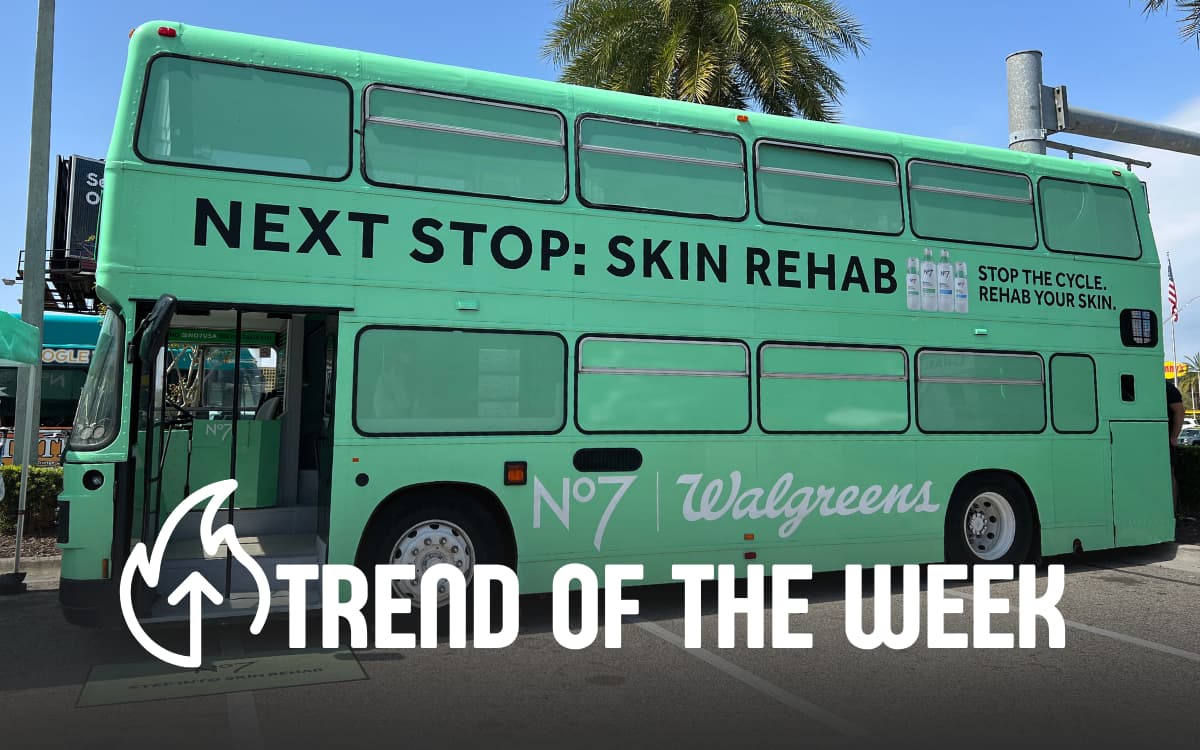
Experiential Marketing Trend of the Week: Double-Decker Buses
Why It Matters
Mobile venues like double‑decker buses let brands reach audiences where they live, boosting engagement and recall without the cost of permanent pop‑ups. The format’s flexibility is reshaping experiential marketing strategies across retail, beauty, and nonprofit sectors.
Key Takeaways
- •Double‑decker buses provide panoramic views and photo‑friendly spaces
- •No7’s bus offered skin screenings, digital quizzes, and a hydration bar
- •T.J.Maxx’s Maxxinista Express combined holiday décor with on‑bus shopping games
- •AARP’s tour used open‑top deck to celebrate Social Security’s 90th anniversary
- •Mobile venues double seating capacity, turning transport into immersive brand experiences
Pulse Analysis
The rise of double‑decker buses as experiential platforms reflects a broader shift toward mobile, pop‑up environments that meet consumers on the move. Unlike static installations, a bus can travel across multiple markets, delivering a consistent brand narrative while adapting to local nuances. For marketers, this mobility reduces the logistical overhead of setting up temporary venues and creates a built‑in novelty factor—passersby are drawn to the iconic silhouette, generating organic foot traffic and social media buzz. Brands such as No7 have capitalized on this by integrating technology like touchscreen quizzes and digital sticky‑note walls, turning a simple ride into a data‑rich touchpoint.
From a strategic perspective, the two‑level design doubles usable square footage without expanding the vehicle’s footprint. Retailers like T.J.Maxx exploit the upper deck for thematic décor—holiday fireplaces, plush seating, and exclusive merchandise—while the lower level hosts interactive games and curated shopping experiences. This vertical separation allows for distinct activity zones, catering to varied audience preferences and extending dwell time. Moreover, the open‑top deck, as demonstrated by AARP, offers a stage for live performances or advocacy messaging, amplifying cause‑related campaigns in high‑visibility urban corridors.
Looking ahead, the double‑decker model is poised to integrate emerging technologies such as augmented reality overlays and contactless payment systems, further blurring the line between physical and digital engagement. As brands seek cost‑effective ways to create memorable experiences post‑pandemic, the flexibility, visual impact, and built‑in storytelling capacity of double‑decker buses make them a compelling addition to the experiential marketer’s toolkit. Companies that harness this format can expect heightened brand recall, richer consumer data, and a scalable platform for nationwide rollouts.
Experiential Marketing Trend of the Week: Double-Decker Buses
Comments
Want to join the conversation?
Loading comments...