Aerospace Blogs and Articles
  • All Technology
  • AI
  • Autonomy
  • B2B Growth
  • Big Data
  • BioTech
  • ClimateTech
  • Consumer Tech
  • Crypto
  • Cybersecurity
  • DevOps
  • Digital Marketing
  • Ecommerce
  • EdTech
  • Enterprise
  • FinTech
  • GovTech
  • Hardware
  • HealthTech
  • HRTech
  • LegalTech
  • Nanotech
  • PropTech
  • Quantum
  • Robotics
  • SaaS
  • SpaceTech
AllNewsDealsSocialBlogsVideosPodcastsDigests

Aerospace Pulse

EMAIL DIGESTS

Daily

Every morning

Weekly

Sunday recap

NewsDealsSocialBlogsVideosPodcasts
AerospaceBlogsUK Defence Warned Against Complacency on Drones and AI
UK Defence Warned Against Complacency on Drones and AI
AerospaceAI

UK Defence Warned Against Complacency on Drones and AI

•February 10, 2026
0
UK Defence Journal – Air
UK Defence Journal – Air•Feb 10, 2026

Why It Matters

If the UK fails to embed AI‑driven uncrewed systems, it risks strategic and capability gaps against faster‑adapting adversaries. Accelerated autonomy reshapes procurement, force structure, and operational doctrine across the defence sector.

Key Takeaways

  • •UK defence sees drones reshaping future warfare
  • •AI acceleration could match a year's human output by 2029
  • •Complacency risks lagging behind rapid autonomous technology
  • •Ukraine lessons highlight low‑cost drone integration importance
  • •UK force development lacks full AI‑drone synergy

Pulse Analysis

The conversation in Westminster reflects a broader global pivot toward autonomous warfare. Recent conflicts, from Ukraine to Israel’s rapid air dominance over Iran, have demonstrated that inexpensive drones combined with sophisticated cyber and intelligence capabilities can offset traditional air power. British officials, however, appear hesitant, with senior officers still treating drone use as a peripheral support function rather than a core combat element. This disconnect threatens to leave the UK trailing nations that have already integrated swarms and AI‑enhanced sensors into their operational playbooks.

Artificial intelligence’s trajectory compounds the urgency. Dr. Keith Dear’s projections—AI matching a full year of human labour by 2029—signal a looming “Cambrian explosion” of autonomous systems. Such growth will not be confined to software; it will permeate robotics, autonomous navigation, and even strategic reasoning. The implication is stark: platforms designed for crewed operation may become obsolete before they enter service, and defence procurement cycles must compress to keep pace with algorithmic advances that outstrip traditional engineering timelines.

For policymakers, the takeaway is clear: the UK must embed AI‑drone synergies into its force development roadmap now. This means revisiting acquisition strategies, fostering joint AI‑drone research with industry, and reshaping training to prioritize machine‑human teaming. Failure to act could erode deterrence, inflate costs, and cede technological advantage to adversaries that have already embraced autonomous warfare. Aligning doctrine, budget, and talent with the rapid pace of AI will be essential to maintain a credible, future‑ready defence posture.

UK defence warned against complacency on drones and AI

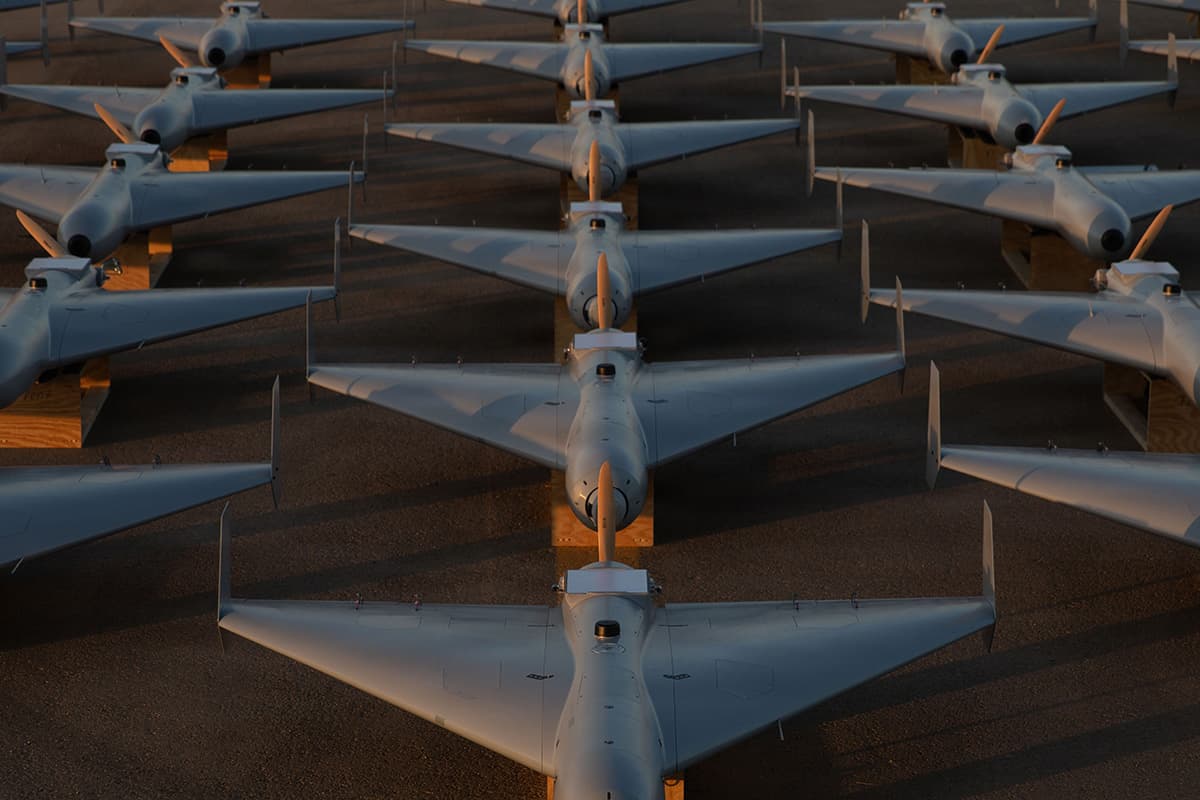
Defence experts have warned MPs that drones and artificial intelligence are reshaping warfare at a pace many armed forces still fail to fully grasp, cautioning that future conflict will increasingly be defined by the economics of mass and autonomy.

Speaking to the Defence Committee during a one-off session on the Future of Warfare, Air Marshal (Retd) Edward Stringer said he remained “staggered” that he still heard officers dismiss the relevance of lessons from Ukraine, describing the attitude as “complacent” and “rather arrogant”.

Stringer argued that while future wars would not look exactly like the conflict in Ukraine, they would inevitably feature many of the same dynamics, particularly the widespread use of low-cost drones integrated with conventional forces.

He pointed to Israel’s ability to rapidly establish air dominance over Iran during a recent 12-day campaign, suggesting that success depended not only on traditional air power, but also on “clever drone-based, cyber-based and intelligence-led capabilities”. He warned that he did not yet see this blend of thinking fully reflected in UK force development.

Dr Keith Dear, CEO and founder of Cassi, told MPs that debate on drones had shifted dramatically over time, from initial scepticism, to a view that drones mattered only as a supporting capability for crewed systems. He argued that this still misunderstood the scale and speed of technological change.

Dear said autonomous systems were improving at an accelerating rate, with AI models moving from completing tasks comparable to seconds of human work in 2023, to tasks taking humans an hour by 2025. On current trajectories, he suggested AI could reach the equivalent of a full working year of human output by 2029.

He rejected the argument that these advances were confined to software development, arguing they also applied to scientific reasoning, robotics and self-driving systems. Dear warned that assuming future combat platforms must remain crewed into the 2030s was “a fairly large bet against AI progress”, noting that predictions about the limits of AI had repeatedly been proven wrong in previous decades.

He urged the committee to consider the timeframe being used to judge future conflict, warning that continued advances could lead to what he described as a “Cambrian explosion” in scientific development and military capability.

Both witnesses argued that the direction of travel was clear, with autonomy and uncrewed systems likely to play an increasingly central role in how modern armed forces detect, decide and strike.

The post UK defence warned against complacency on drones and AI first appeared on UK Defence Journal.

Read Original Article
0

Comments

Want to join the conversation?

Loading comments...