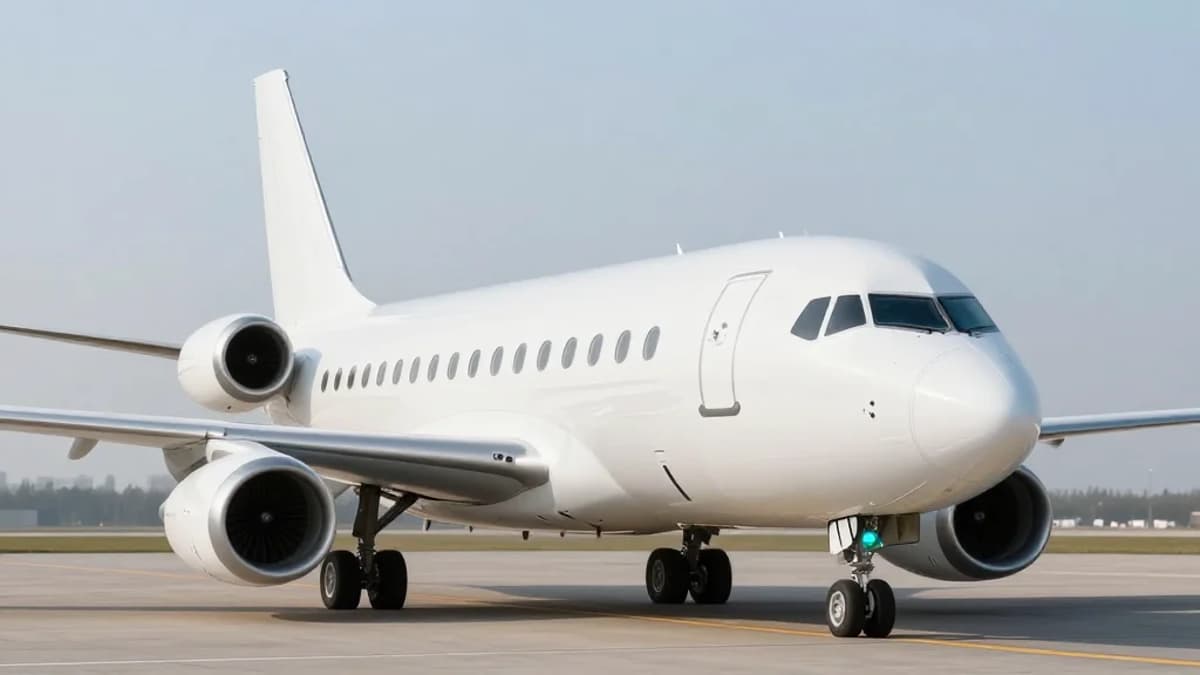
Outlook 2026: The Airliner Projects that Promise New Technology and Lower Emissions
Key Takeaways
- •Over 50 alternative‑propulsion concepts exist, few near certification.
- •No certified passenger aircraft uses electric or hydrogen power yet.
- •Pipistrel Electro Velis remains only certified electric trainer.
- •Airbus E‑Fan demonstration highlighted technology but stalled certification.
- •Industry hopes lower emissions offset higher development costs.
Summary
The 2026 outlook surveys airliner projects that break away from traditional gas‑turbine tube‑and‑wing designs, emphasizing lower emissions and potential cost reductions. The analysis narrows to programs closest to certification, filtering out the dozens of concepts still in early stages. Despite more than 50 alternative‑propulsion ideas, no passenger aircraft with electric or hydrogen power has achieved certification, leaving the Pipistrel Electro Velis as the sole certified electric trainer. The piece underscores the gap between ambitious prototypes, such as Airbus’s 2014 E‑Fan, and real‑world market entry.
Pulse Analysis
Regulators worldwide are tightening carbon caps, pushing airlines to seek aircraft that can slash fuel burn and CO₂ output. While legacy manufacturers invest heavily in hybrid‑electric and hydrogen‑fuel‑cell research, the market’s appetite hinges on demonstrable reliability and a clear path to certification. Investors watch closely as airlines weigh the premium of next‑generation propulsion against the risk of delayed entry, making the certification timeline a critical factor for commercial viability.
Technical hurdles remain formidable. Energy density limits of batteries and the storage challenges of liquid hydrogen constrain range, while safety standards demand rigorous testing of novel power‑train architectures. Certification authorities, accustomed to decades‑long turbine validation, must adapt procedures for electric thrust distribution, thermal management, and emergency protocols. Projects like the Airbus E‑Fan have showcased viable concepts, yet they illustrate the gap between runway displays and type‑certificate approval, a gap that currently leaves only the Pipistrel Electro Velis as a certified electric aircraft, albeit in a niche trainer role.
Looking ahead to the late 2020s, the industry anticipates a gradual rollout of hybrid and fully electric regional jets, supported by government subsidies and airline pre‑orders for greener fleets. Companies that can align engineering milestones with certification milestones will capture early market share, especially as airlines face escalating carbon taxes. The next wave of airliners will likely blend conventional turbines with electric boosters, offering incremental emissions cuts while mitigating range anxiety. Stakeholders should monitor funding pipelines, supply‑chain readiness for advanced batteries, and evolving regulatory frameworks to gauge when these promising projects will transition from concept to commercial service.


Comments
Want to join the conversation?