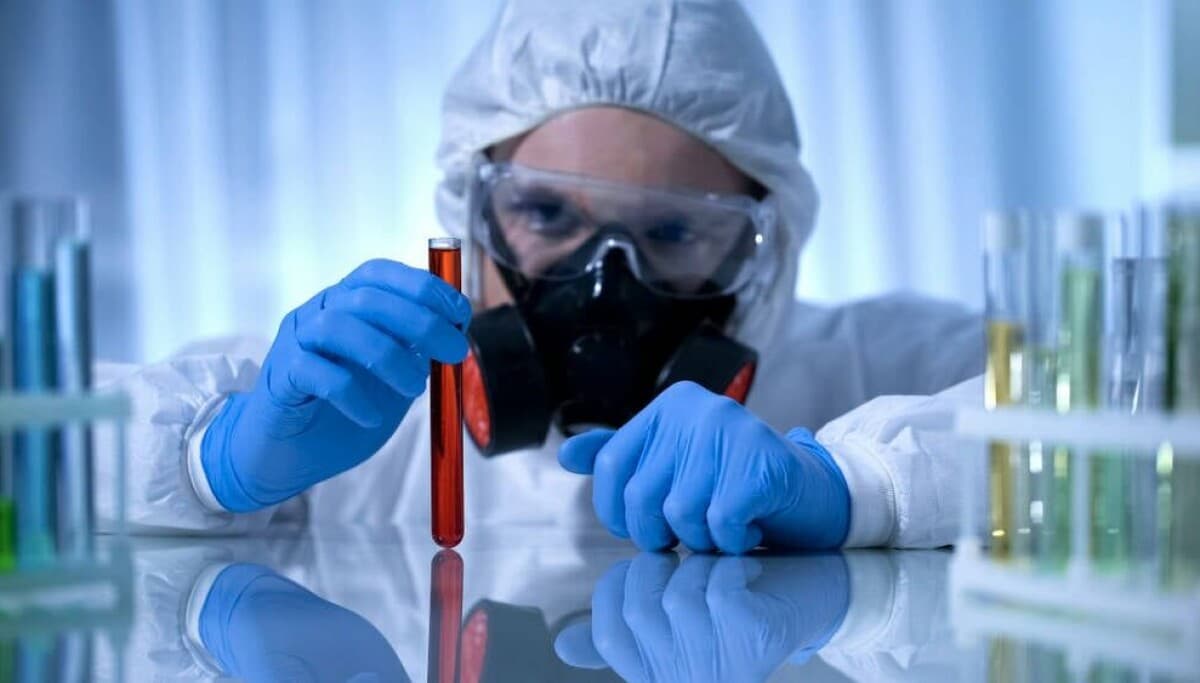
AI Heavyweights Warn Their Tech Could Help Terrorists Develop Bioweapons

Companies Mentioned



Why It Matters
If AI‑driven design shortcuts enable malicious actors to produce harmful pathogens, the public health and national security stakes are enormous. Codifying screening and traceability would create a concrete safeguard against the erosion of biosecurity barriers.
Key Takeaways
- •AI leaders call for mandatory screening of synthetic DNA orders.
- •Synthetic nucleic acids lower entry barriers for small‑scale bioweapon projects.
- •Proposed US bills would codify screening and record‑keeping practices.
- •Existing providers already screen; legislation would make it universal.
- •Rapid AI advances could erode knowledge barriers protecting biosecurity.
Pulse Analysis
The convergence of advanced generative AI and affordable synthetic biology tools is reshaping research, but it also creates a novel risk vector. AI systems can now design protein structures, optimize gene sequences, and predict pathogenic traits faster than ever, dramatically shortening the learning curve for would‑be bioterrorists. Coupled with on‑demand DNA synthesis services, these capabilities could enable small, technically adept groups to assemble harmful agents without the extensive infrastructure historically required for such work.
Policymakers are grappling with how to translate these emerging threats into enforceable regulations. Two bipartisan bills—one in the House and another in the Senate—seek to make screening of nucleic acid orders and mandatory record‑keeping law, yet both have languished in committee. The Biden administration’s 2024 OSTP framework set voluntary standards for providers, but a 2025 executive order halted its rollout, leaving a regulatory vacuum. Industry leaders argue that codifying best‑practice screening would provide a low‑cost, high‑impact barrier, leveraging existing compliance mechanisms while giving law enforcement a forensic trail.
For biotech firms and AI developers, the letter signals an impending shift toward tighter oversight. Companies that already implement sequence‑of‑concern checks may gain a competitive edge as compliance becomes a legal requirement. Meanwhile, investors should monitor legislative progress, as delayed action could expose the sector to reputational risk and potential liability. Ultimately, aligning AI innovation with robust biosecurity protocols will be critical to preserving both scientific advancement and public safety.
AI heavyweights warn their tech could help terrorists develop bioweapons
Comments
Want to join the conversation?
Loading comments...