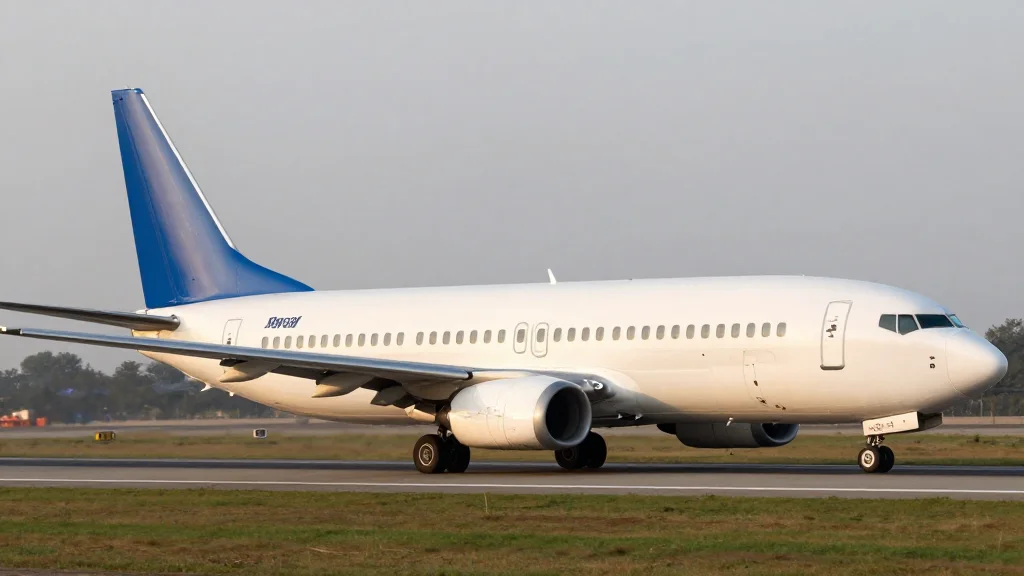
BOC Aviation Leases Three Boeing 737-8200 Jets to Akasa Air, Expanding Indian Low‑Cost Fleet

Companies Mentioned
Why It Matters
The BOC‑Akasa agreement illustrates how aircraft leasing is becoming a critical growth lever for low‑cost carriers in emerging markets. By offloading the capital expense of aircraft acquisition, airlines can accelerate fleet modernization, improve fuel economics, and expand route networks more quickly. For lessors, such deals diversify revenue streams and lock in long‑term contracts in high‑growth regions, mitigating exposure to cyclical demand swings. Moreover, the transaction underscores the broader shift toward fuel‑efficient single‑aisle jets as airlines confront rising jet‑fuel costs and tightening emissions regulations. As more carriers adopt the 737‑8200 platform, manufacturers and lessors alike stand to benefit from economies of scale, potentially driving down lease rates and making modern aircraft more accessible to budget airlines worldwide.
Key Takeaways
- •BOC Aviation signs purchase‑and‑leaseback for three Boeing 737‑8200 jets with Akasa Air.
- •Deliveries are scheduled for the end of 2026 under long‑term operating leases.
- •The 737‑8200 is powered by CFM International LEAP‑1B engines, offering industry‑leading fuel efficiency.
- •Akasa Air's fleet will grow by roughly 10 percent, boosting capacity on domestic Indian routes.
- •The deal highlights growing demand for aircraft leasing in India's fast‑expanding low‑cost carrier market.
Pulse Analysis
BOC Aviation's latest deal with Akasa Air is more than a simple transaction; it reflects a strategic pivot toward emerging‑market leasing. Historically, lessors have focused on North America and Europe, but the Indian aviation sector's CAGR of 12 percent over the past three years makes it a lucrative frontier. By securing a lease‑back arrangement, BOC not only locks in a steady cash flow but also positions itself as a preferred financing partner for carriers seeking rapid expansion without heavy balance‑sheet commitments.
The choice of the Boeing 737‑8200 is also telling. The model's LEAP‑1B engine delivers up to 15 percent better fuel burn compared with older 737 variants, translating into lower operating costs—a decisive factor for low‑cost carriers operating on razor‑thin margins. As fuel price volatility persists, airlines that can demonstrate superior cost structures will capture market share, and lessors that supply these efficient platforms will see heightened demand.
Looking forward, the BOC‑Akasa partnership could catalyze a wave of similar agreements across Asia‑Pacific. If Akasa meets its utilization targets, other regional carriers may follow suit, prompting BOC and peers to expand their inventory of next‑generation jets. This could accelerate the retirement of older, less efficient aircraft, reshaping the global fleet composition and reinforcing the role of leasing as a cornerstone of B2B growth in aviation.
BOC Aviation Leases Three Boeing 737-8200 Jets to Akasa Air, Expanding Indian Low‑Cost Fleet
Comments
Want to join the conversation?
Loading comments...