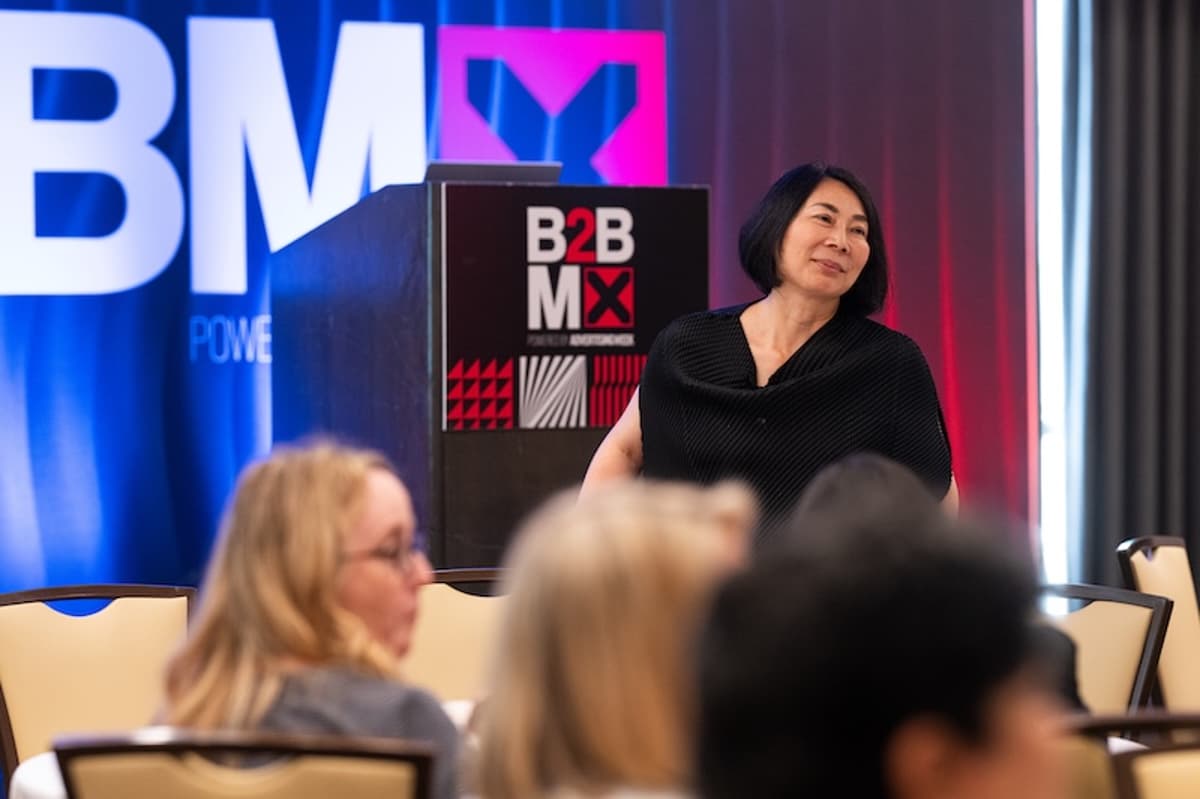
Pam Didner Shows How to Build A GTM Plan Executives Can Actually Approve: Lesson Learned Ar B2BMX
Why It Matters
A disciplined, cross‑functional GTM plan reduces execution risk and speeds executive approval, directly impacting revenue pipelines. Leveraging AI with proper structure further shortens planning cycles while preserving strategic clarity.
Key Takeaways
- •Align product, sales, marketing before drafting GTM slides
- •Define GTM scope to avoid cross‑team misunderstandings
- •Center plan on target customers, regions, and measurable KPIs
- •Structure launch into pre‑launch, launch day, post‑launch phases
- •Use AI with templates to accelerate persona and messaging drafts
Pulse Analysis
In today’s hyper‑competitive B2B landscape, a GTM plan that looks good on paper but falters in execution can waste months of effort and budget. Didner’s insight that alignment across product, sales and marketing is the foundation addresses a chronic blind spot: teams often operate with divergent definitions of "go‑to‑market," leading to fragmented initiatives. By establishing a shared GTM definition and a visual map of each function’s deliverables, marketers create a single source of truth that keeps product positioning, sales enablement, and demand generation in lockstep.
Didner’s practical blueprint moves beyond theory to actionable steps. She recommends opening executive decks with the overarching goal, target segments, geographic focus, and the specific KPIs that matter—such as the number of qualified trials or sales‑engaged opportunities within a set timeframe. This customer‑first orientation forces marketers to reconcile the differing priorities of end‑users versus decision‑makers, ensuring that messaging and content serve both audiences. The plan is then broken into three acts: pre‑launch preparation, launch‑day execution, and a post‑launch "Rolling Thunder" cadence that sustains momentum. A color‑coded timeline that flags owners and status provides instant visibility for senior leaders, turning the GTM plan into a living management tool.
Artificial intelligence, when paired with disciplined templates, becomes a force multiplier rather than a shortcut. Didner demonstrates that AI can quickly generate buyer personas, draft positioning statements, and populate competitive matrices—provided marketers feed it detailed fields and clear prompts. The output serves as a first draft that human experts refine, preserving strategic nuance while accelerating the research phase. This hybrid approach shortens planning cycles, reduces reliance on siloed expertise, and ultimately delivers a GTM plan that executives can approve with confidence, driving faster time‑to‑revenue.
Pam Didner Shows How to Build A GTM Plan Executives Can Actually Approve: Lesson Learned ar B2BMX
Comments
Want to join the conversation?
Loading comments...