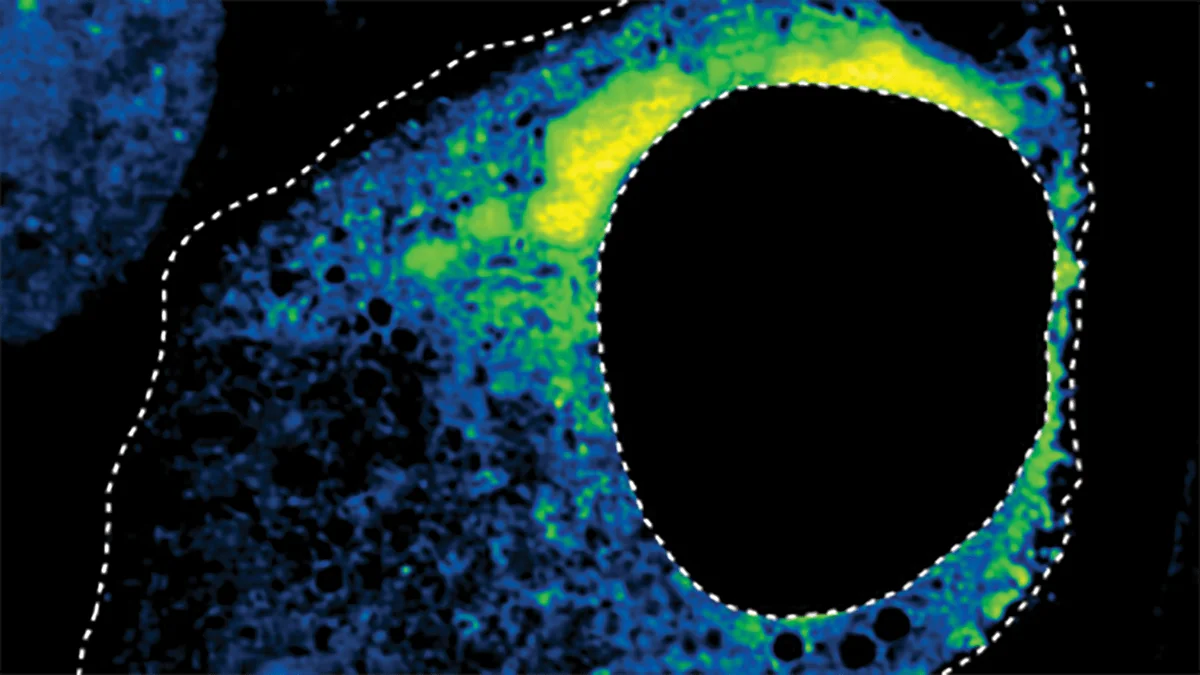
AI Predicts Gene Regulation for Drug Discovery Using Condensate Morphology
Why It Matters
The method provides a high‑resolution, AI‑driven readout of how compounds reshape gene‑regulatory structures, accelerating target validation and safety assessment in drug discovery.
Key Takeaways
- •AI links nucleolar shapes to drug-induced stress responses
- •Four morphology categories identified: caps, necklaces, flower, baseline
- •Topotecan uniquely induces “flower” nucleolus, revealing TOP1 role
- •Model predicts dose‑response across multiple condensate types
- •Single‑cell imaging accelerates functional drug screening
Pulse Analysis
Biomolecular condensates—tiny, membrane‑less droplets that orchestrate transcription and RNA processing—have emerged as critical hubs in diseases ranging from Alzheimer’s to cancer. By applying deep‑learning to high‑content microscopy, Princeton scientists have turned these subcellular structures into quantitative biomarkers. The study demonstrates that subtle shifts in nucleolar morphology, captured at the single‑cell level, can be decoded into functional outcomes, offering a new lens on cellular health that complements traditional biochemical assays.
The technical breakthrough lies in training a convolutional neural network on thousands of nucleolar images under varied drug treatments. The model distilled the visual data into four distinct shape classes, with the novel “flower” morphology flagging topotecan’s inhibition of TOP1—a key enzyme in DNA replication. This discovery not only maps a previously unseen drug‑induced phenotype but also clarifies TOP1’s structural role in maintaining nucleolar integrity. Extending the framework to nuclear speckles and viral condensates confirmed its versatility, revealing consistent dose‑response patterns across diverse condensate types.
For the pharmaceutical industry, this AI‑enabled imaging pipeline promises faster, more precise phenotypic screening. By delivering single‑cell resolution, it can detect off‑target effects and emergent toxicities earlier in development, reducing costly late‑stage failures. Moreover, the ability to link morphological signatures to mechanistic pathways opens avenues for novel target identification and personalized medicine strategies. As AI and high‑throughput microscopy converge, condensate morphology may become a standard functional readout in next‑generation drug discovery workflows.
AI Predicts Gene Regulation for Drug Discovery Using Condensate Morphology
Comments
Want to join the conversation?
Loading comments...