Ocrelizumab Preserves Ambulation, Hand Function in MS

Why It Matters
Sustaining ambulation and hand function directly translates to reduced disability progression and lower long‑term care costs, positioning ocrelizumab as a compelling early‑intervention disease‑modifying therapy for MS.
Key Takeaways
- •86% maintained normal walking ability over six years on ocrelizumab.
- •93% preserved normal hand function after six years of treatment.
- •34% of patients with impaired gait improved to normal levels.
- •Retention rate reached 86% after six years despite pandemic disruptions.
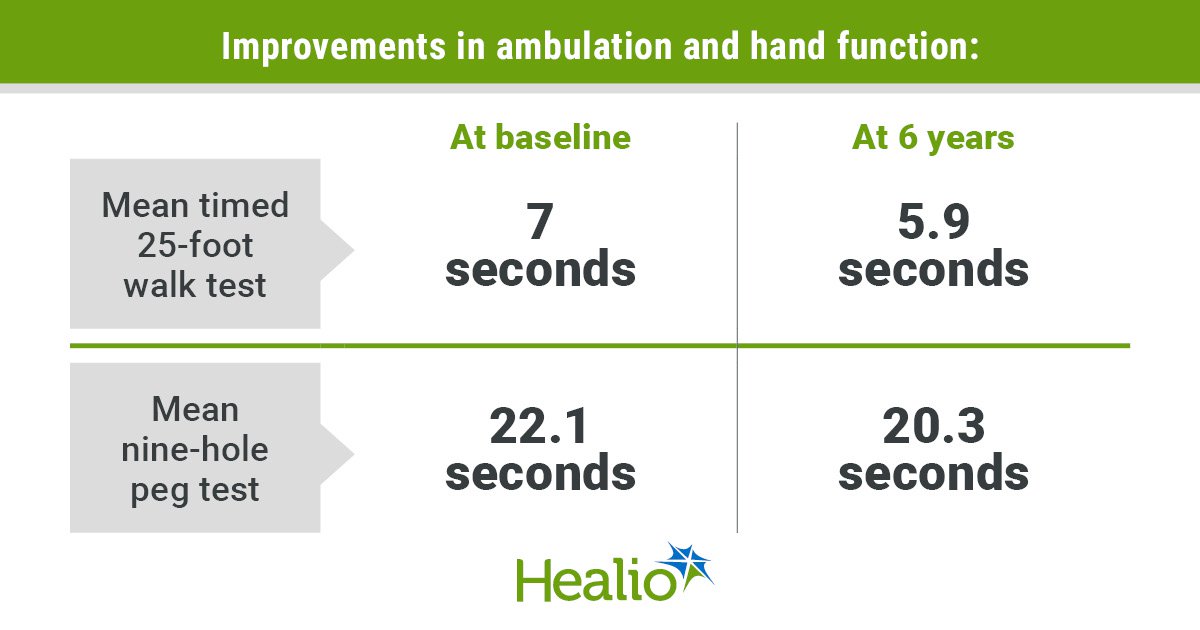
- •Mean walking time improved from 7 s to 5.9 s, nearing healthy controls.
Pulse Analysis
Ocrelizumab, a CD20‑targeting monoclonal antibody, has been a cornerstone of multiple sclerosis (MS) treatment since its approval for relapsing forms. Its mechanism—depleting circulating B cells that drive inflammatory lesions—offers a biologically plausible route to curb neurodegeneration. While short‑term trials demonstrated relapse reduction, clinicians have long sought evidence that such disease‑modifying therapies can preserve everyday motor function, the metrics that matter most to patients and payers alike.
The ENSEMBLE trial, enrolling 616 treatment‑naïve adults within three years of diagnosis, provides that evidence. By administering an initial 300 mg loading dose followed by 600 mg bi‑annual infusions, the study achieved an 86% retention rate despite the COVID‑19 pandemic, underscoring both tolerability and patient commitment. Functional outcomes—timed 25‑foot walk and nine‑hole peg tests—showed stability or improvement in the vast majority, with mean walking times dropping from 7 seconds to 5.9 seconds, approaching the 4.3‑second benchmark of healthy controls. Compared with other first‑line disease‑modifying therapies, ocrelizumab’s durability in preserving ambulation and manual dexterity is notable, especially given the limited data beyond five years for most agents.
For neurologists, these findings reinforce the value of initiating high‑efficacy therapy early, before irreversible disability accrues. Patients gain tangible benefits: sustained independence in mobility and daily tasks, which translates into lower long‑term healthcare utilization and improved quality of life. Payers may view the robust functional preservation as a cost‑offset against the drug’s price, given the reduced need for assistive devices and caregiving. Future research should explore biomarkers that predict which patients will experience functional gains, potentially refining patient selection and further optimizing outcomes.
Ocrelizumab preserves ambulation, hand function in MS
Comments
Want to join the conversation?
Loading comments...