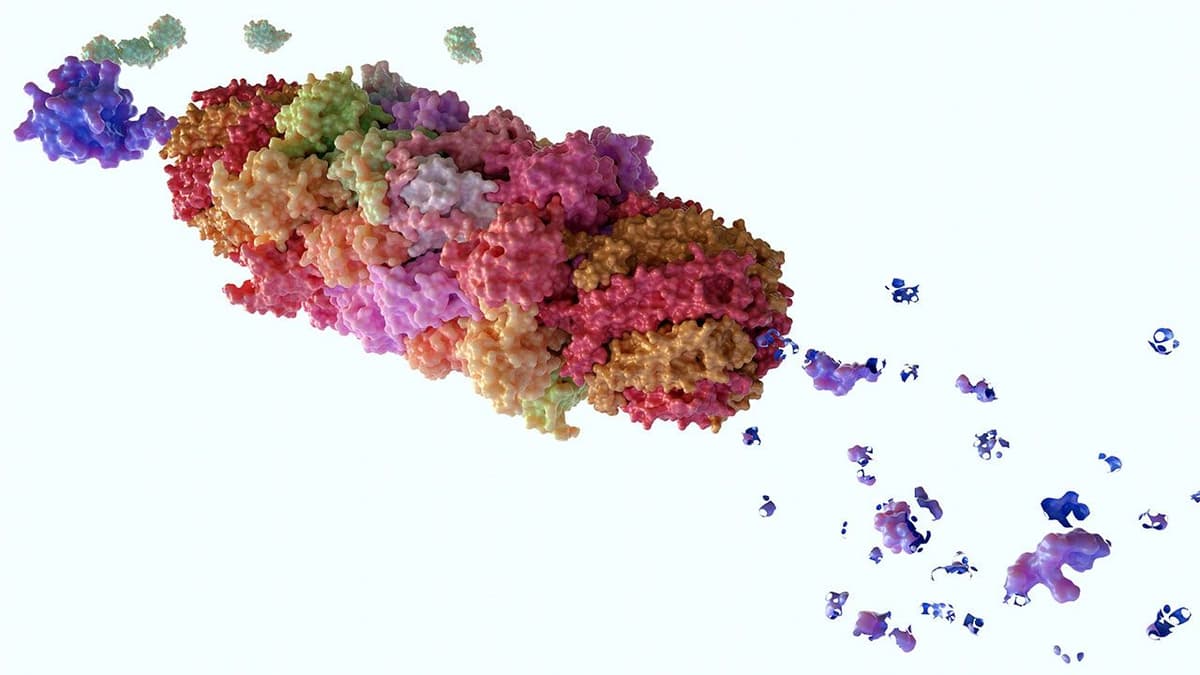
Proteasomes: A Novel Approach to Target the Immune System
•January 20, 2026
0
Companies Mentioned


Why It Matters
Protein‑degradation therapeutics promise durable, mechanism‑based treatments for hard‑to‑target diseases, reshaping R&D investment and pipeline strategies across pharma.
Key Takeaways
- •PROTACs enable degradation of previously undruggable proteins
- •Major pharma firms invest heavily in proteasome degrader programs
- •Market projected to reach $6.1 B by 2034
- •European biotech startups advance targeted protein degradation platforms
- •FDA granted fast‑track status to oral STAT6 degrader
Pulse Analysis
Proteolysis‑targeting chimeras (PROTACs) and related modalities have reshaped drug discovery by co‑opting the ubiquitin‑proteasome system to eliminate disease‑causing proteins rather than merely inhibiting them. This catalytic mechanism permits sustained knock‑down of targets once considered "undruggable," such as transcription factors driving aggressive childhood cancers or resistance pathways in triple‑negative breast cancer. Recent advances in nano‑PROTAC delivery and molecular glue chemistry have broadened tissue penetration and reduced dosing frequency, positioning protein degradation as a versatile therapeutic strategy. As a result, the scientific community now views the proteasome not just as a degradation pathway but as a programmable drug target.
Big‑pharma players are translating that promise into sizable pipelines. Amgen, BMS, J&J and others already market proteasome inhibitors like Kyprolis and Velcade, while AbbVie, AstraZeneca, Merck and Novartis have multiple degraders in clinical stages. Notable deals include J&J’s acquisition of Halda Therapeutics for its RIPTAC platform and Novartis’s partnership with Monte Rose to develop molecular glues for immune‑mediated diseases. Across the Atlantic, European innovators such as Amphista, Booster and QLi5 are leveraging next‑generation targeted protein degradation platforms, raising fresh capital and advancing preclinical programs that challenge existing standards of care.
Market analysts estimate the global proteasome inhibitor market will climb from $2.7 billion in 2024 to over $6 billion by 2034, driven by an 8.7 % CAGR and expanding indications beyond oncology into autoimmune and inflammatory disorders. FDA fast‑track designations for oral degraders like Kymera’s STAT6 binder signal regulatory confidence in this modality’s clinical potential. As late‑stage trials for agents such as ARV‑471 and KT‑621 mature, positive readouts could unlock further investment, accelerate combination strategies, and cement proteasome‑targeting therapies as a cornerstone of precision medicine.
Proteasomes: A Novel Approach to Target the Immune System
0
Comments
Want to join the conversation?
Loading comments...