Treating Cancer Based on Mutation Alone Does Not Improve Survival
Companies Mentioned

Why It Matters
The findings underscore that precision oncology must integrate tumor histology with molecular data, reshaping treatment guidelines and highlighting urgent gaps in drug access and trial infrastructure.
Key Takeaways
- •40% survival boost when therapy matches mutation and cancer type
- •Only 39% of patients received any genomics‑guided treatment
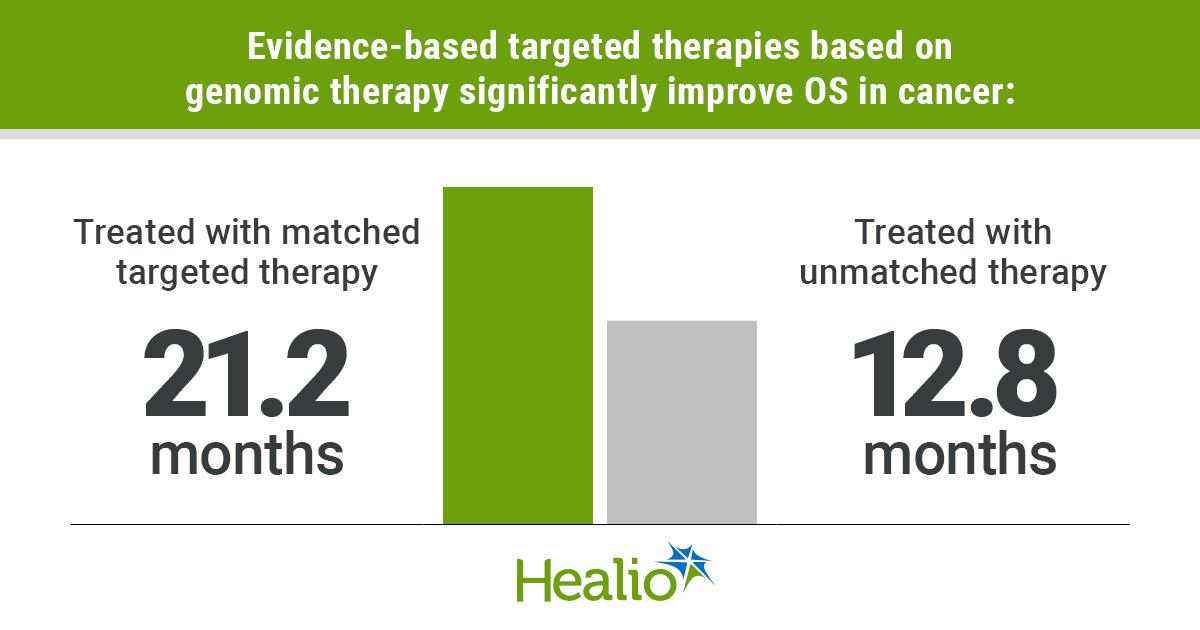
- •Matched tier 1‑3A therapy extended median OS to 21.2 months
- •Tier 3B‑4 matched drugs showed no survival advantage
- •3.4% of eligible patients actually accessed recommended targeted therapy
Pulse Analysis
Precision oncology has promised to pair the right mutation with the right drug, but the reality is more nuanced. While next‑generation sequencing can uncover hundreds of alterations, clinicians must weigh those findings against the biological context of each tumor type. Histology‑specific pathways, tissue‑dependent drug metabolism, and distinct microenvironments mean that a mutation that drives response in melanoma may be inert in colorectal cancer. This distinction is now backed by robust real‑world data, reinforcing the need for evidence‑based matching rather than reflexive drug repurposing.
The Australian MoST program’s analysis of over 3,000 patients provides the most comprehensive look at how matched therapy translates into survival. Patients whose treatment aligned with tier 1‑3A biomarkers lived a median of 21.2 months versus 12.8 months for unmatched care, a 40% gain that mirrors earlier trial results. Yet the study also reveals a stark implementation gap: less than two‑thirds of those with actionable findings received any genomics‑guided therapy, and only about one in thirty actually obtained the recommended drug. Barriers span reimbursement, limited trial slots, and regulatory lag, leaving many patients to default to standard chemotherapy despite a clear survival advantage for matched options.
Looking ahead, the oncology community must build the infrastructure to close this gap. Expanding trial networks, streamlining drug approval pathways, and adopting decision‑support tools like TOPOGRAPH or ESMO’s ESCAT can accelerate the translation of molecular insights into practice. Policymakers and payers will need to align incentives to ensure that actionable biomarkers lead to accessible therapies. As sequencing costs continue to fall, the decisive factor for patient outcomes will be the speed and equity with which evidence‑based, histology‑aware treatments become the standard of care.
Treating cancer based on mutation alone does not improve survival
Comments
Want to join the conversation?
Loading comments...