Weekly Reads: Effective LDL Gene Editing, Chinese Genetics Guidelines, Human Embryo Models in Space

Key Takeaways
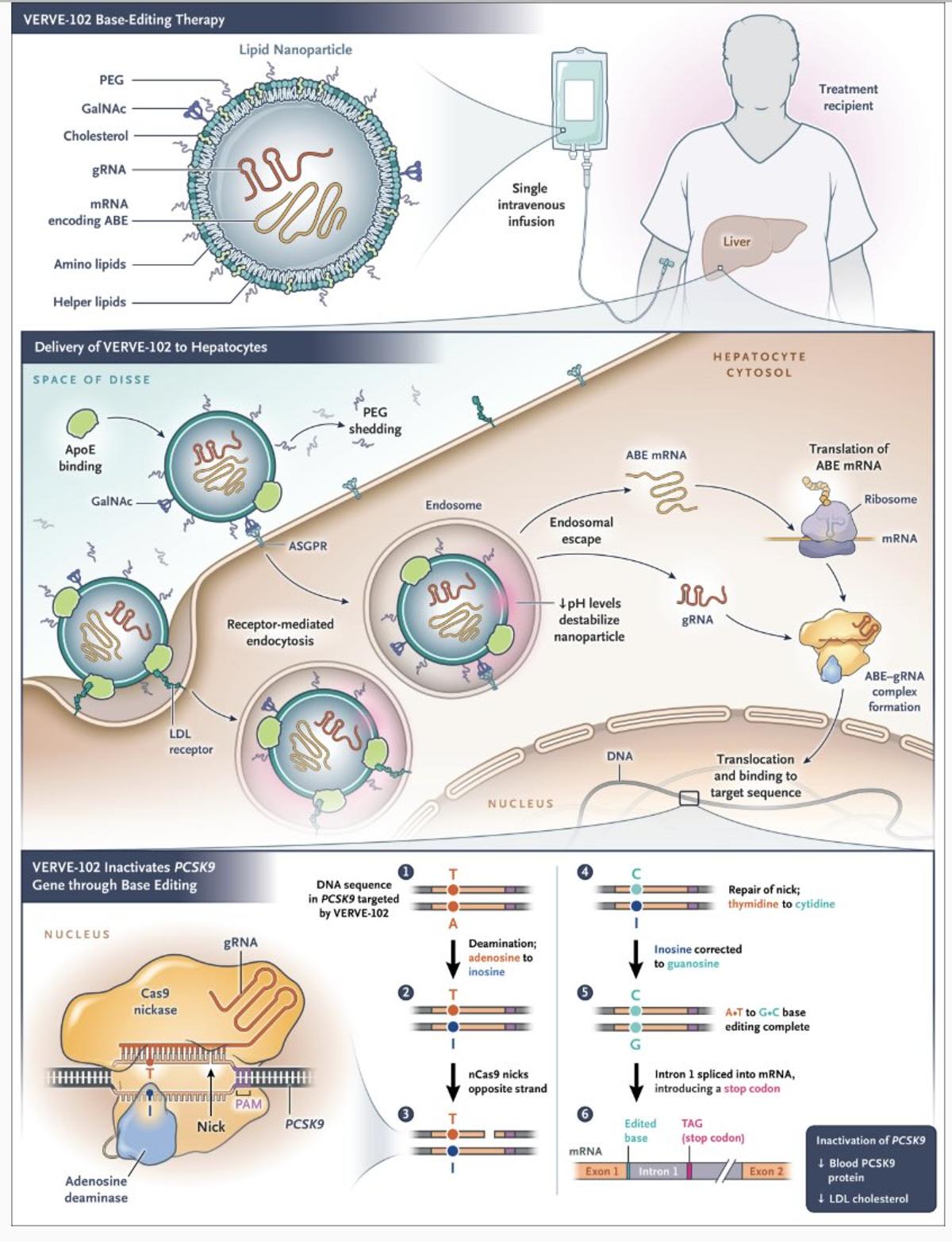
- •Verve‑102 base editing cut LDL in early human trial
- •Single infusion may offer curative cholesterol treatment
- •Universal transcriptomic clocks predict human mortality risk
- •China releases ethical guidelines for genetic data research
- •Chinese artificial embryo models launched to test space reproduction
Pulse Analysis
The recent NEJM publication on VERVE‑102 marks a watershed moment for cardiovascular therapeutics. By using in‑vivo base editing to silence PCSK9, the single infusion achieved sustained LDL reductions that rival or exceed high‑intensity statins, hinting at a "one‑and‑done" paradigm. Investors are watching closely as Verve Therapeutics, now under Eli Lilly, prepares for larger trials that could redefine the market for cholesterol‑lowering drugs and shift prescribing habits away from daily pills toward a curative gene‑editing approach.
At the same time, researchers have published a universal transcriptomic aging clock that correlates gene‑expression patterns with mortality across mammalian species. This tool refines the concept of biological age, offering a quantifiable endpoint for longevity interventions and drug development pipelines. By integrating transcriptomic data with epigenetic and proteomic markers, the clock improves predictive power, enabling clinicians and biotech firms to target therapies more precisely and assess efficacy in shorter, more informative studies.
China’s dual actions—issuing comprehensive ethical guidelines for human genetic data and launching stem‑cell‑derived artificial embryo models into space—signal an aggressive push to lead in both regulation and frontier biology. The guidelines aim to standardize data handling while the orbital experiment tests embryogenesis beyond Earth, potentially opening a new arena for reproductive research. Together with rising concerns over AI‑generated medical misinformation and tighter U.S. oversight of peptide injections, these developments illustrate a global tightening of bio‑regulatory frameworks as the pace of innovation accelerates.
Weekly reads: effective LDL gene editing, Chinese genetics guidelines, human embryo models in space
Comments
Want to join the conversation?