A Hopeful Conversation on Climate Risk
Key Takeaways
- •Sensors and manual culvert cleaning stop floods in UK town
- •Targeted home hardening cuts wildfire risk and costs
- •Tahoe Fund leverages $30M private to unlock $200M public for resilience projects
- •Architects, banks, insurers collaborate on climate‑resilient design at conference
- •Insurers must educate agents on resilient materials like rubber roofing
Pulse Analysis
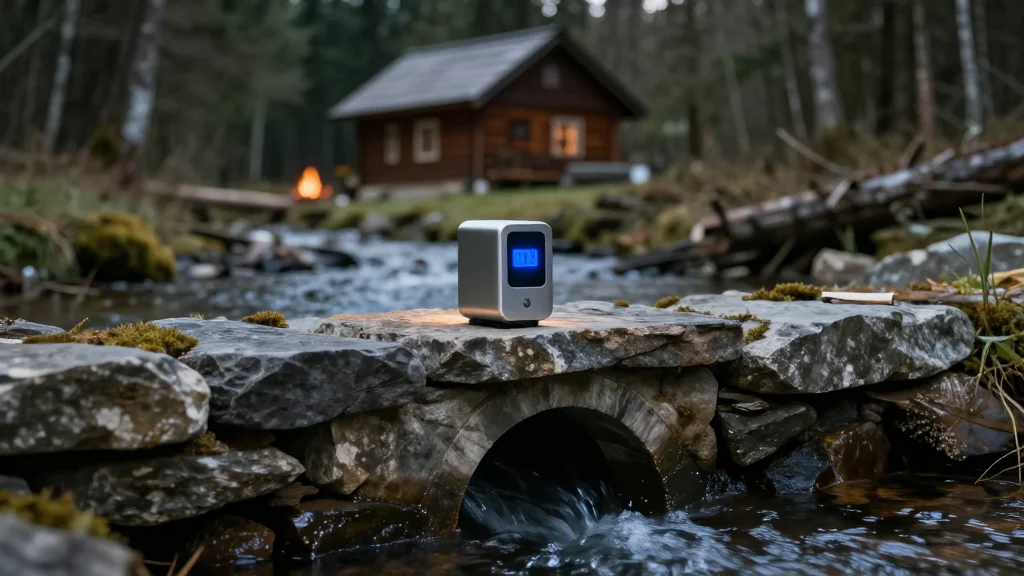
At ClimateTech Connect, a simple yet powerful story illustrated how technology and human labor can combine to curb flood damage. In a small UK town, a network of upstream water‑level sensors triggers an alarm in the mayor’s office; a clerk then uses a rake to clear debris from a culvert, allowing water to flow freely and protecting hundreds of homes. The anecdote underscores that climate‑risk solutions do not always require massive infrastructure—real‑time data paired with low‑cost manual intervention can deliver immediate resilience, a model that other municipalities can replicate.
The conference also highlighted a strategic shift in wildfire mitigation, moving from scattered homeowner upgrades to community‑wide, systematic hardening. Former fire chiefs argued that focusing resources on homes bordering wildlands—so‑called “superspreaders”—delivers the greatest risk reduction for the lowest cost. Amy Berry’s Tahoe Fund put this principle into practice, raising roughly $30 million of private capital to unlock about $200 million in public funding for more than 220 resilience projects, including five in the Tahoe basin. By targeting the most vulnerable properties, the fund demonstrates how public‑private partnerships can scale protective measures without overburdening individual owners.
Broad participation from insurers, banks, architects and municipal leaders signaled a maturing climate‑risk ecosystem, yet gaps remain. Major insurers such as Nationwide and Munich Re showcased technology startups, while JP Morgan’s climate advisory team and the American Institute of Architects pledged to embed resilience into financing and design standards. However, the absence of federal representation highlighted policy uncertainty, and stories like Denise Garth’s—who saved 20 percent on a rubber roof after a $140,000 hail event—show that agents still need better education on resilient products. Continued cross‑sector dialogue and proactive insurer training will be essential to translate innovative ideas into widespread, cost‑effective protection.
A Hopeful Conversation on Climate Risk
Comments
Want to join the conversation?