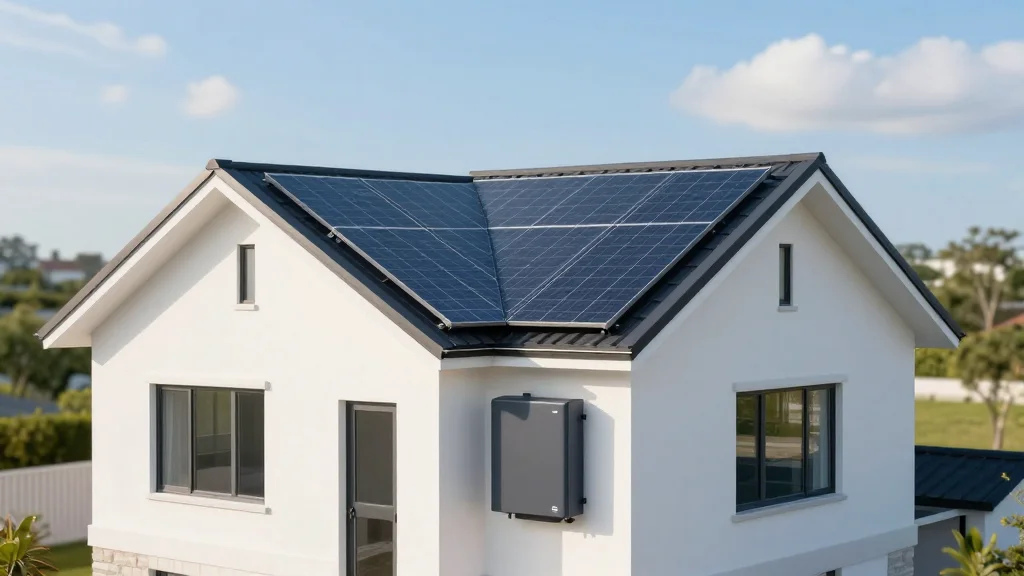
Why Solar Is Becoming the Standard in New Construction
Why It Matters
Embedding solar at the design stage reduces long‑term operating expenses, boosts asset values, and aligns projects with emerging sustainability regulations, giving early adopters a competitive edge.
Key Takeaways
- •Solar integration cuts installation costs versus retrofitting.
- •30% federal ITC remains through 2032, boosting ROI.
- •Monocrystalline and bifacial panels now reach 20‑23% efficiency.
- •States like CA, NJ, MA mandate solar on new homes.
- •Battery storage enables daytime surplus use and grid resilience.
Pulse Analysis
Rising utility rates have turned energy costs into a top line item for building owners, prompting developers to evaluate solar’s payback horizon more rigorously. When solar is built‑in, the structural and electrical work is streamlined, slashing labor expenses compared with retrofits. Coupled with the 30% federal Investment Tax Credit that extends through 2032, the net present value of a solar‑enabled project often surpasses traditional builds, delivering higher net operating income for commercial assets and stronger resale premiums for homes.
Technology breakthroughs are accelerating adoption beyond simple rooftop arrays. Modern monocrystalline and bifacial modules achieve 20‑23% efficiency, reducing the panel footprint needed to meet a building’s energy demand. Building‑integrated photovoltaics (BIPV) now embed cells within roofing, facades, and glazing, preserving architectural aesthetics while generating power. Parallel advances in lithium‑ion storage allow excess daytime generation to be stored for evening use or grid outages, enhancing resilience and opening revenue streams through demand‑response programs.
Regulatory momentum and investor expectations are cementing solar as a construction standard. States such as California, New Jersey and Massachusetts already require solar on new residential units, and additional jurisdictions are drafting similar codes. Green certifications—LEED, ENERGY STAR, WELL—reward solar integration, while ESG mandates push corporate tenants to seek buildings with robust energy strategies. As smart‑grid interfaces mature, newly built structures will not only consume less power but also participate in energy markets, turning solar from a cost‑saving measure into a profit‑center for owners.
Why Solar Is Becoming the Standard in New Construction
Comments
Want to join the conversation?
Loading comments...