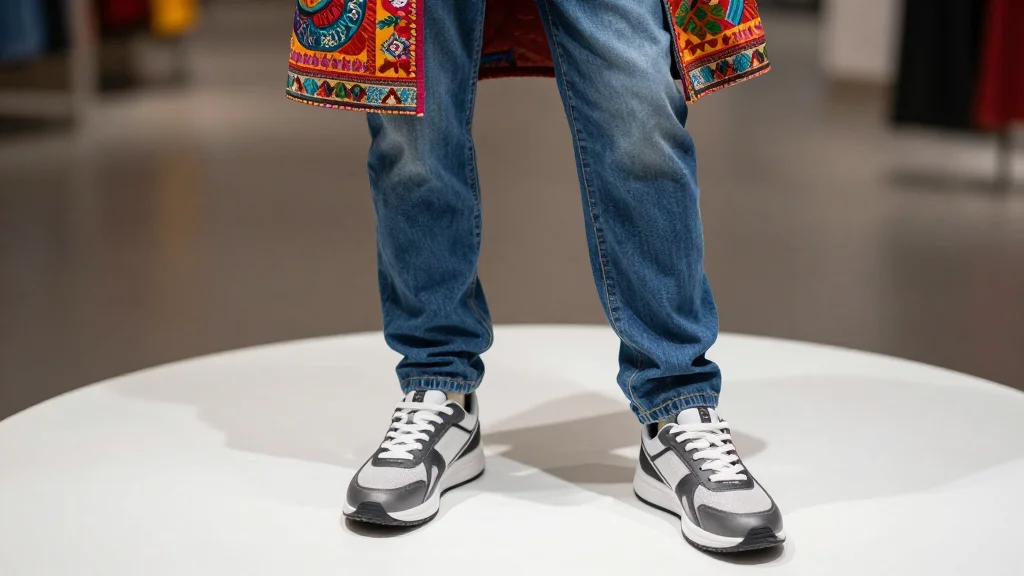
Flipkart's 'GRWM GRWM' Campaign Aims for 550M Visits in End‑of‑Season Fashion Push

Companies Mentioned

Why It Matters
The ‘GRWM GRWM’ campaign illustrates a pivotal evolution in Indian e‑commerce: moving from price‑only promotions to immersive, culture‑driven experiences. By targeting Gen Z through creator partnerships and a narrative that fuses fashion with everyday identities, Flipkart aims to deepen brand loyalty and increase basket size, potentially reshaping how online retailers allocate marketing spend. If the campaign meets its 550 million‑visit target, it will validate a model where content and community drive traffic as effectively as deep discounts. Competitors may be forced to invest in similar creator ecosystems, accelerating the convergence of social media and shopping in India’s fast‑growing digital economy.
Key Takeaways
- •Flipkart's 'GRWM GRWM' sale runs May 29‑June 7, 2026.
- •Campaign targets >550 million visits, with Gen Z expected to generate ~50% of demand.
- •Offers over 10 lakh products from 50+ brands, discounts up to 90 percent.
- •More than 1,000 creators will produce fashion content on Meta and YouTube.
- •Vice President Kapil Thirani emphasizes a shift to trend‑first, culturally relevant shopping.
Pulse Analysis
Flipkart’s pivot to a trend‑first sale reflects a broader industry realization that Indian consumers, especially Gen Z, are seeking experiences that mirror their digital lives. The integration of creator content transforms the traditional flash‑sale model into a continuous engagement loop, where discovery and purchase happen simultaneously. This approach reduces reliance on deep discounting, which erodes margins, and instead leverages aspirational branding to command higher average order values.
Historically, Indian e‑commerce has been dominated by price wars, with end‑of‑season sales serving as a primary traffic driver. However, as internet penetration deepens and consumers become more sophisticated, the marginal utility of discounts diminishes. By embedding fashion narratives within everyday professional personas, Flipkart taps into identity‑based purchasing, a tactic proven effective in Western markets but still nascent in India. The success of this campaign could accelerate the adoption of creator‑centric strategies across the sector, prompting rivals to allocate larger portions of their marketing budgets to influencer collaborations and original content production.
Looking forward, the real test will be conversion efficiency—whether the projected traffic translates into sustainable sales growth and higher customer lifetime value. If Flipkart can demonstrate that culturally resonant campaigns drive repeat purchases, it may set a new benchmark for performance marketing in the region, reshaping how brands allocate spend between discount incentives and content creation.
Flipkart's 'GRWM GRWM' Campaign Aims for 550M Visits in End‑of‑Season Fashion Push
Comments
Want to join the conversation?
Loading comments...