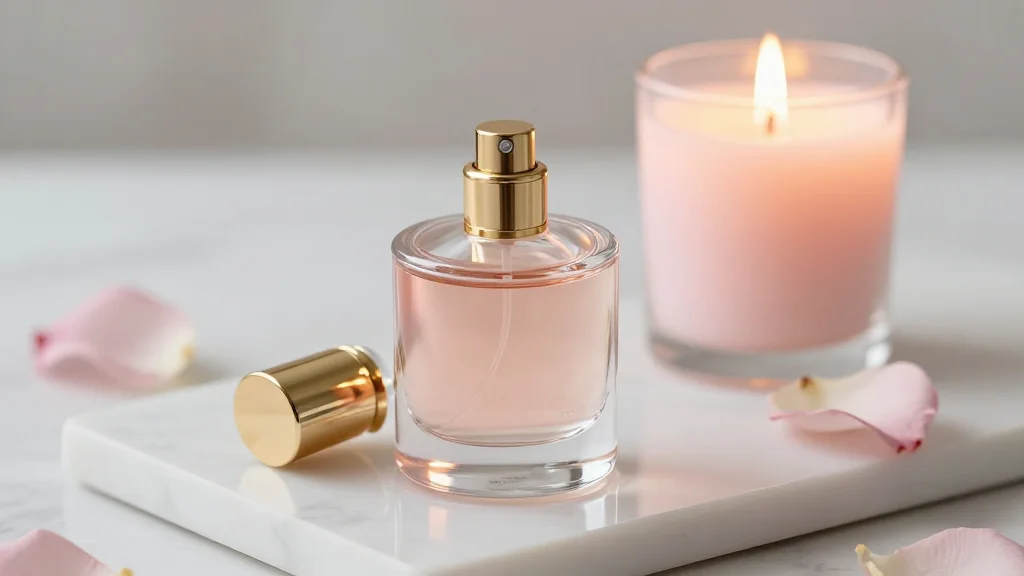
Victoria's Secret Shifts to Fragrance, Targeting Bath & Body Works Share

Companies Mentioned
Why It Matters
The shift signals a pivotal re‑branding for a legacy retailer, illustrating how CMOs are leveraging beauty and fragrance to revive stagnant core categories. By targeting Bath & Body Works' stronghold, Victoria's Secret is testing whether emotional product categories—like scent—can drive higher margins and customer loyalty in a downturn. For marketers, the case underscores the importance of aligning product strategy with macro‑economic consumer behavior, such as the lipstick effect, and demonstrates how a focused category expansion can become a catalyst for broader corporate turnaround.
Key Takeaways
- •Victoria's Secret's beauty division grew to nearly $1 billion in FY2025, low‑single‑digit growth in Q4.
- •CEO Hillary Super highlighted fragrance as the brand's "secret weapon" in the turnaround plan.
- •Bath & Body Works CFO Eva Boratto admitted its body‑care/fragrance line is becoming predictable.
- •Mass‑retail beauty sales rose 5% to $72.7 billion in 2025, providing a growth backdrop.
- •Victoria's Secret launched a home fragrance line in September, entering candles and diffusers.
Pulse Analysis
Victoria's Secret's fragrance pivot is more than a product shuffle; it reflects a strategic realignment of brand equity toward high‑margin, emotionally resonant categories. Historically, the retailer relied on lingerie and apparel, segments that have suffered from the decline of mall traffic and shifting consumer preferences. By channeling resources into scent—a category that commands premium pricing and repeat purchase cycles—the company is attempting to rebuild its profit engine while mitigating the volatility of apparel sales.
The competitive calculus against Bath & Body Works is instructive. While Bath & Body Works maintains dominance in candles, its body‑care and fragrance lines have shown signs of stagnation, as noted by CFO Eva Boratto. Victoria's Secret can exploit this gap by offering differentiated scent experiences that tie back to its legacy of intimacy and personal expression. If executed well, the move could force Bath & Body Works to accelerate its own innovation pipeline, potentially sparking a broader shake‑up in the home fragrance market.
From a CMO perspective, the case highlights the power of data‑driven category selection. The "lipstick effect" data from Circana and Investopedia provided a clear macro signal that consumers would continue to spend on affordable luxuries despite economic headwinds. By aligning the brand's narrative—"scent is emotional, powerful, and loyalty‑building"—with this consumer sentiment, Victoria's Secret is positioning itself to capture incremental share without the heavy discounting often required in apparel turnarounds. The next earnings reports will reveal whether the fragrance strategy can sustain growth momentum and deliver the margin uplift CMOs and investors alike are hoping for.
Victoria's Secret Shifts to Fragrance, Targeting Bath & Body Works Share
Comments
Want to join the conversation?
Loading comments...