Acas Webinar - Employment Rights Act 2025: April Updates, Required Actions and Implications
The Acas webinar outlined the Employment Rights Act 2025, detailing April‑2026 updates and the rollout schedule through 2026‑27. While the Act received Royal Assent, many provisions will phase in over the next two years, affecting dismissal, sick pay, and family‑leave entitlements. Key reforms include cutting the qualifying period for unfair‑dismissal protection from two years to six months, with the change effective 1 January 2027, and removing the compensation cap. Statutory sick pay will now start on the first day of illness and the lower‑earnings threshold is abolished, expanding coverage to low‑paid workers. Paternity and parental leave become day‑one rights, eliminating the previous 26‑week and one‑year qualifying periods. The Act also makes fire‑and‑rehire automatically unfair unless an employer can demonstrate severe financial distress. The webinar cited a case study of a part‑time café employee, Sophie, who, after the sick‑pay reform, qualifies for £80 a week despite earning below the former threshold. It also highlighted ongoing consultations on trade‑union protections, flexible working, and collective redundancy thresholds, with closing dates between April and May 2026. For employers, the legislation demands immediate action: revise contracts, update payroll and HR systems, train managers on new eligibility rules, and communicate changes clearly to staff. Failure to comply could trigger legal challenges and increase operational costs, while early adoption may improve employee morale and reduce presenteeism.

Can You Be Made to Retire From Your Job?
The discussion centers on whether employers can force retirement when a role demands specific physical abilities, such as good eyesight or fitness. While the UK has no blanket retirement age, certain occupations—most notably police and fire services—are legally permitted to...

Getting Ready for the Employment Rights Act 2025
Emma Lugg, HR manager at Zealandia UK Limited, explains how the food manufacturer is gearing up for the Employment Rights Act 2025. The company is auditing its policies, aligning them with the new legal framework, and upskilling managers to ensure...
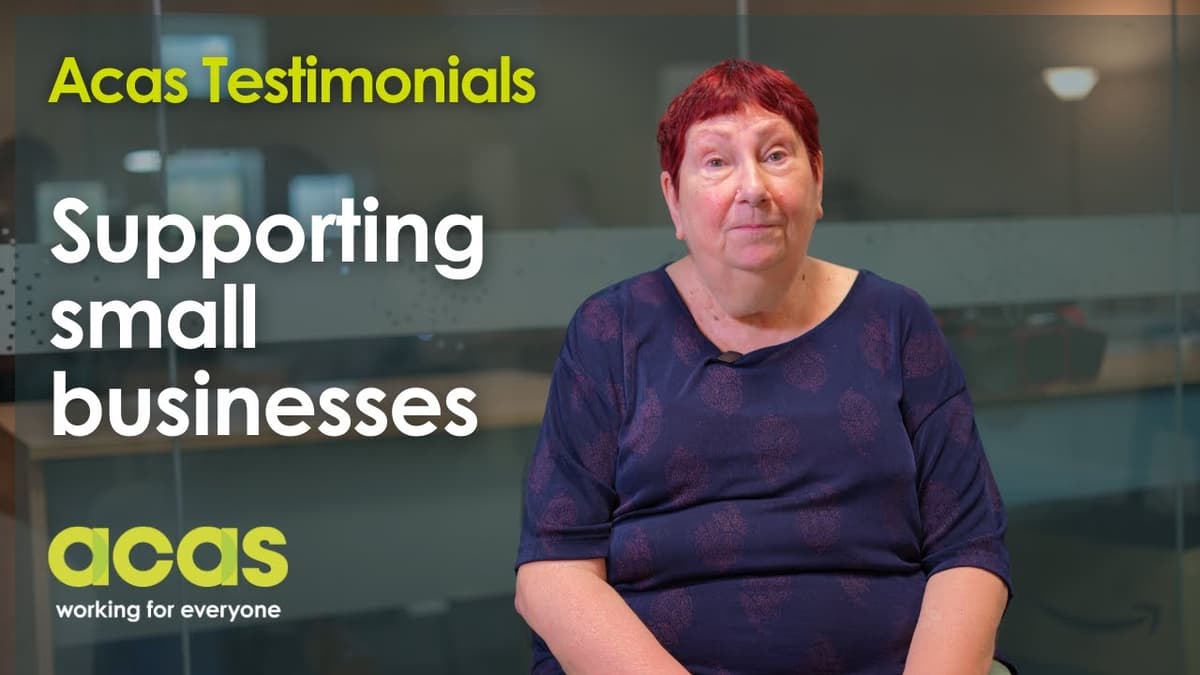
Acas Supporting Small Businesses - Citizens Advice Swansea Neath Port Talbot
Pat Dunmore, Making a Difference Manager at Citizens Advice Swansea Neath Port Talbot, explains how ACAS serves as the go‑to resource for small‑business employment issues. He emphasizes that the ACAS website is the first stop for queries, offering templates, policy...

Acas Webinar - Employment Rights Act 2025
The Acas webinar introduced the Employment Rights Act 2025, which received Royal Assent and will roll out reforms across 2026‑2027. While some provisions, such as the repeal of minimum strike service levels, take effect immediately, the bulk of the changes...