BeardedTinker - Latest News and Information

Home Assistant 2026.3 is a modest‑sized release that prioritizes reliability over headline‑grabbing features. The update shifts the platform from a decorative dashboard toward a sturdier automation engine, targeting the everyday friction points that most users encounter. Key improvements include a new vacuum‑area entity that lets users map robot‑vacuum segments to Home Assistant areas, automatic repair issues when room names change, and broader support for Roborock, Ecovacs and Matter vacuums. The energy dashboard is renamed “Electricity” and now shows live power, gas and water flow, turning passive charts into operational monitoring. A “continue on error” toggle in the automation editor prevents a single failed action from aborting an entire script, and the Android companion app adds on‑device wake‑word detection that works across multiple phone satellites. The presenter emphasizes that silent breakage has been the worst enemy of smart‑home reliability, noting that previous automations would stop if a speaker went offline. By raising repair tickets for renamed rooms and allowing wake‑word activation only when on home Wi‑Fi, the release demonstrates concrete steps to eliminate hidden failures. For builders and power users, the changes mean fewer unexpected outages, more granular device control, and a platform ready for advanced energy‑optimisation and distributed voice assistants. The advice to test the beta before production underscores the shift toward a disciplined, builder‑mindset rollout, positioning Home Assistant as a true automation backbone rather than a gimmick.

The video introduces a self‑contained smoke detector designed to function independently of Wi‑Fi, home assistants, or any external hub. Its core promise is reliable, local fire detection that continues to operate even when the broader smart‑home network goes offline. Key features...
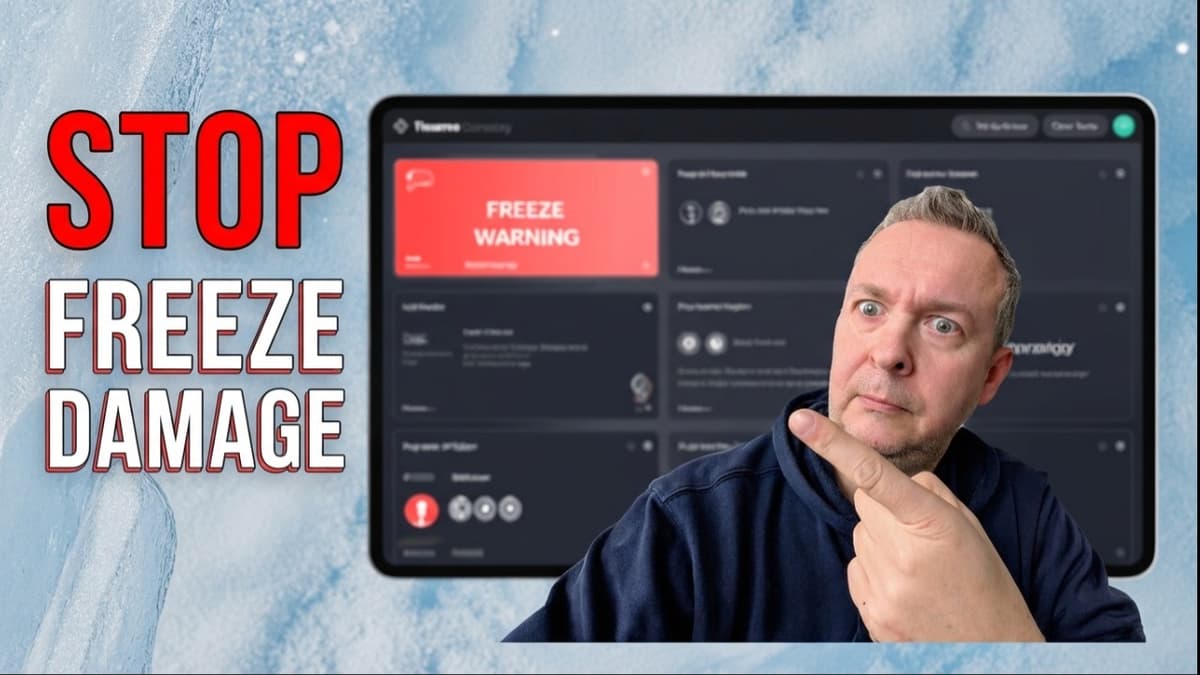
The video explains how to turn Home Assistant from a visual dashboard into a proactive freeze‑protection system. Rather than merely displaying temperature graphs, the author uses weather forecasts to anticipate sub‑zero conditions and prepares the house days in advance. Two‑tier automation...


