

Making the Invisible Hand Visible: How Managers Shape Careers Inside Firms
The talk, titled “Making the Invisible Hand Visible,” examines how managers replace market price mechanisms inside firms, directing resource allocation and shaping employee careers. Drawing on Adam Smith’s invisible hand and Ronald Co’s critique of internal labor moves, Virginia Mini argues that modern enterprises rely on a visible hand—management—to determine who does what, with profound effects on productivity and inequality. Mini presents three research strands. First, she shows that manager quality varies dramatically; “high‑flyer” managers—identified by rapid early promotions—significantly boost worker output by matching employees to jobs that fit their comparative advantage. Second, she documents that managers with progressive gender norms compress pay gaps and raise overall performance, and that these norms cascade through hierarchical and peer networks. Third, she illustrates that technology, such as a mobile app at a large Latin‑American bank, only raises productivity when managers incentivize workers to move up the task ladder. Key examples include a rotation policy in a multinational consumer‑goods firm that creates exogenous shocks to manager assignments, allowing causal estimates of manager impact, and the observation that without managerial guidance, workers failed to transition to higher‑value tasks despite automation gains. The findings suggest that firms should treat managerial practices as core strategic assets. By improving manager selection, fostering inclusive norms, and aligning incentives with technology rollouts, companies can unlock hidden productivity and mitigate internal inequality, reshaping the economics of the modern firm.
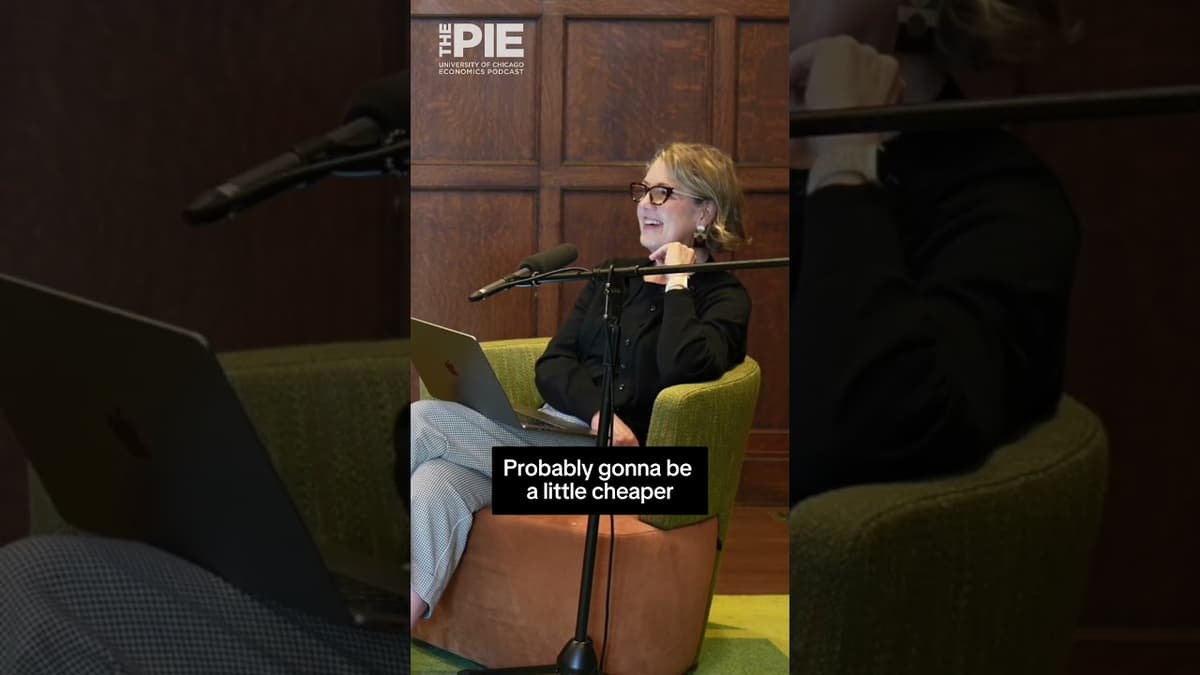
Your Time Has a Price—Lyft Tested It
Lyft’s chief economist explained a nationwide field experiment designed to quantify how much riders value their time when waiting for a ride. The test randomly offered riders either the nearest car with a three‑minute wait or a farther vehicle with a...
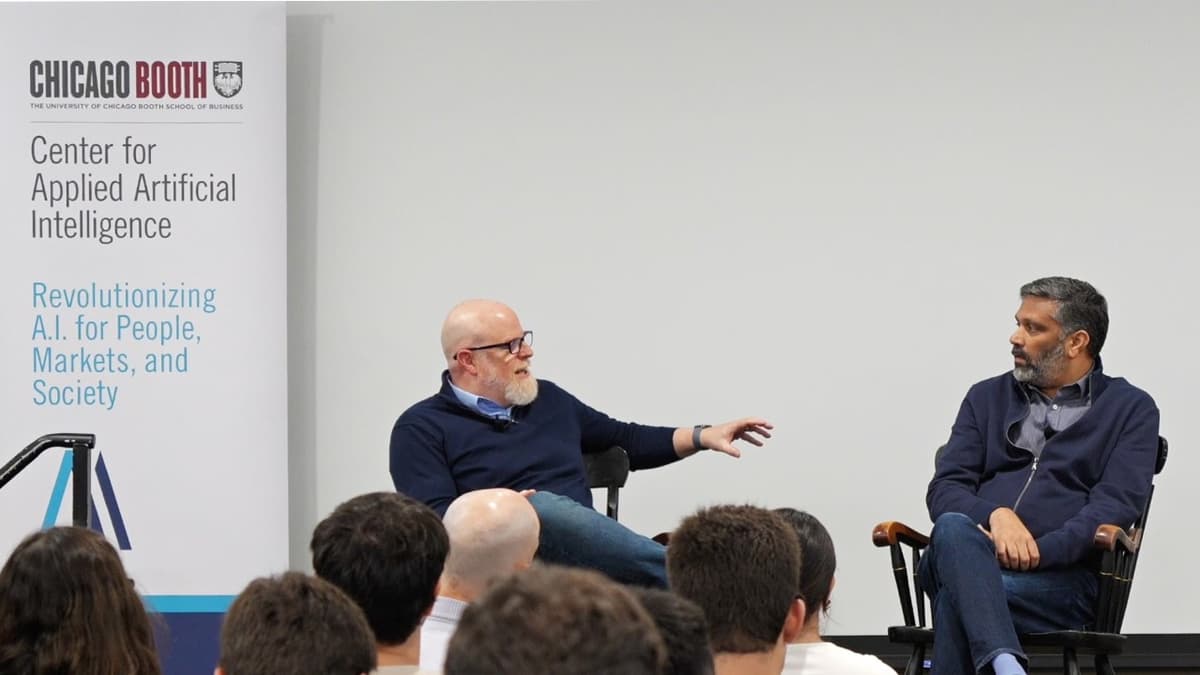
BFI and CAAI Public Event: Technology, AI, and the Labor Market
The Becker Friedman Institute and Booth’s Center for Applied Artificial Intelligence hosted a joint event to explore how artificial intelligence intersects with labor markets. Faculty members Eric Hurst and Sanjark Misra framed AI’s influence against a backdrop of centuries‑long technological...
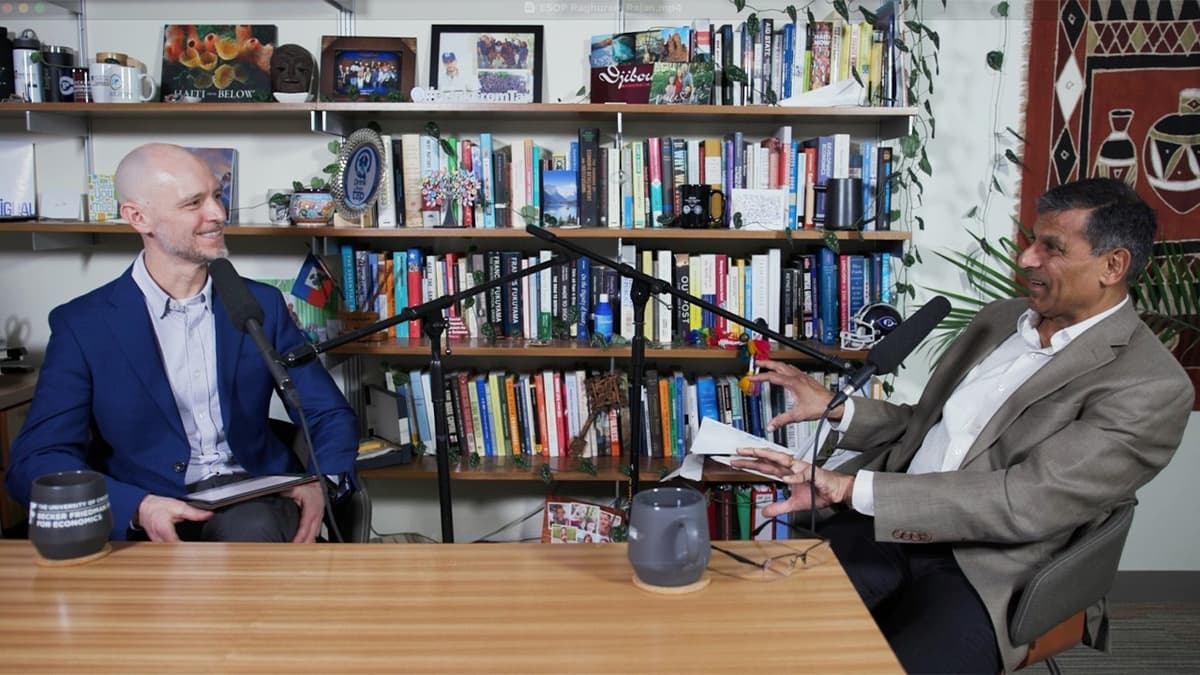
A Conversation with Raghuram Rajan: Corporate Governance, Community, and Political Economy
The conversation with Raghuram Rajan, former IMF chief economist and RBI governor, centers on the political economy of corporate governance. Rajan argues that institutions succeed only when a broad political consensus supports them, and that the erosion of this equilibrium underlies...
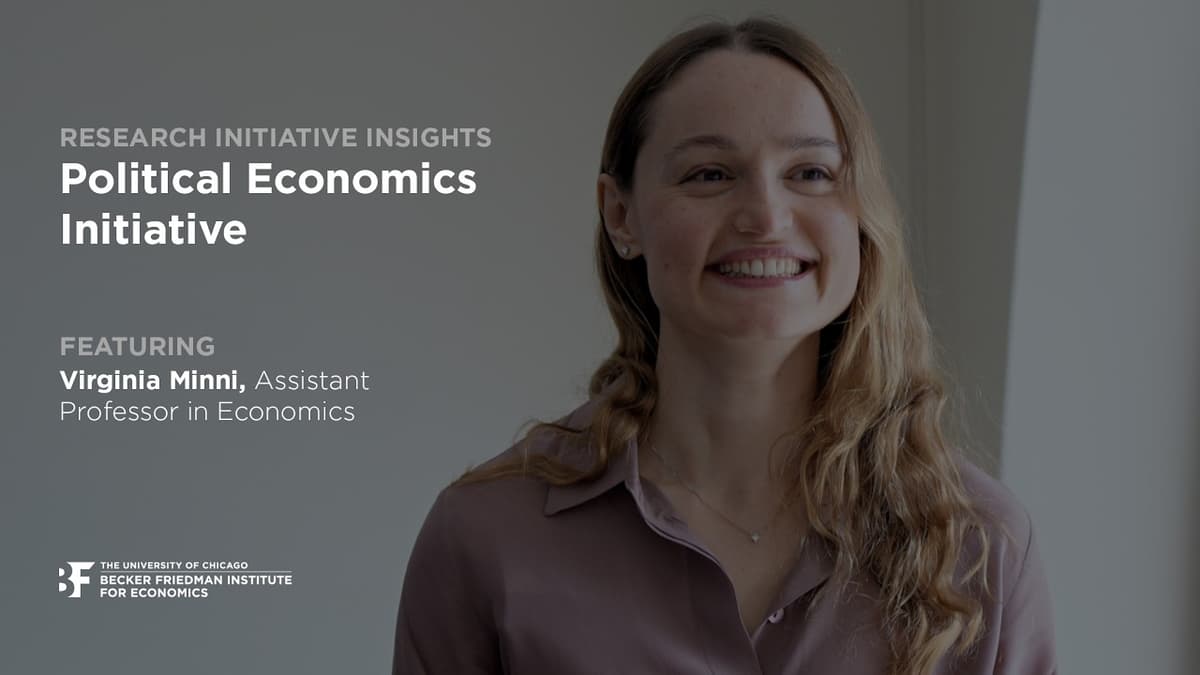
Inside the Firm: The Human Side of Managerial Decisions
Inside the Firm: The Human Side of Managerial Decisions explores how managers’ motivations, cultural influence, and job‑matching decisions shape employee performance and firm productivity. Assistant professor Dina Mini argues that “soft” factors such as shared beliefs are actually core economic...

Policy Outlook Panel: Iran, Oil, and the Logic of Modern Military Intervention
The panel examined the fallout from the February 28 US‑Israel air campaign against Iran, framing it as a modern case of military intervention with far‑reaching economic consequences. Hosts highlighted the human toll—over 2,000 dead across the region—and the strategic...

Eugene Fama: Why Most Investors Should Just Buy Index Funds
The University of Chicago’s Becker‑Freedman Institute hosted Nobel laureate Eugene Fama to discuss why most investors should allocate their capital to index funds. Fama reiterated the core of the Efficient Market Hypothesis – that asset prices incorporate all publicly...
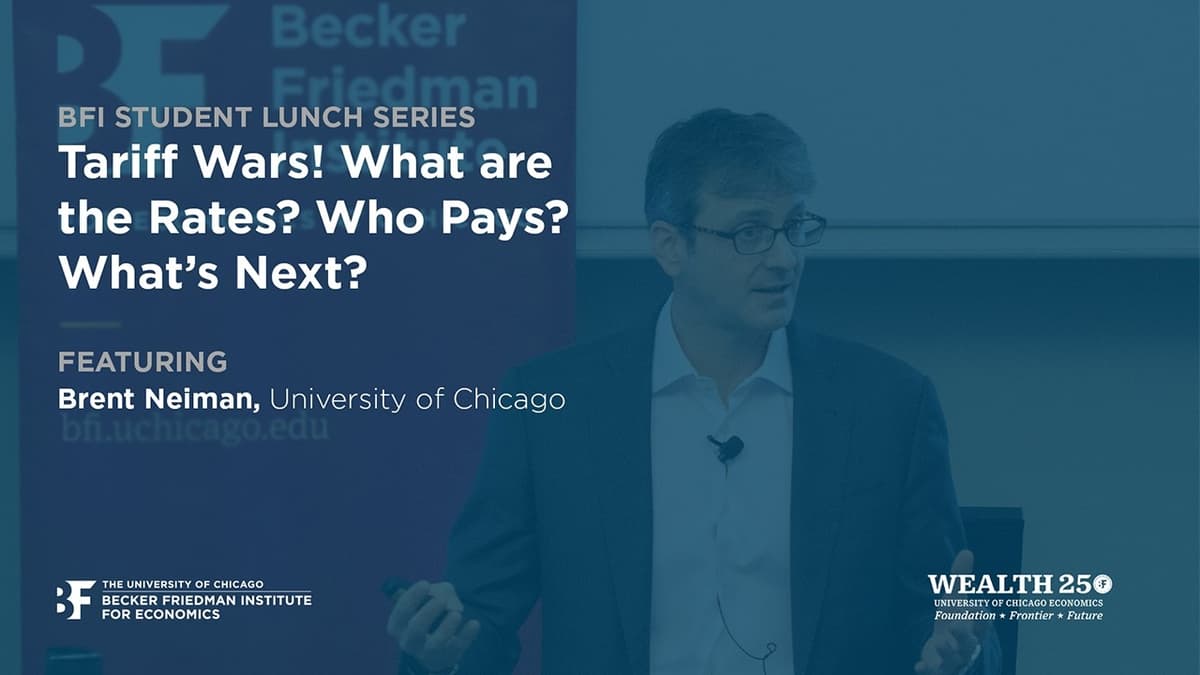
Tariff Wars! What Are the Rates? Who Pays? What’s Next?
The event featured Brent Nyman, a former Treasury deputy under‑secretary, presenting his latest research on U.S. import tariffs. He explained how statutory tariff rates—those set by law—jumped from near‑zero to about 28% after the 2024‑25 Trump‑era announcements, while the...