
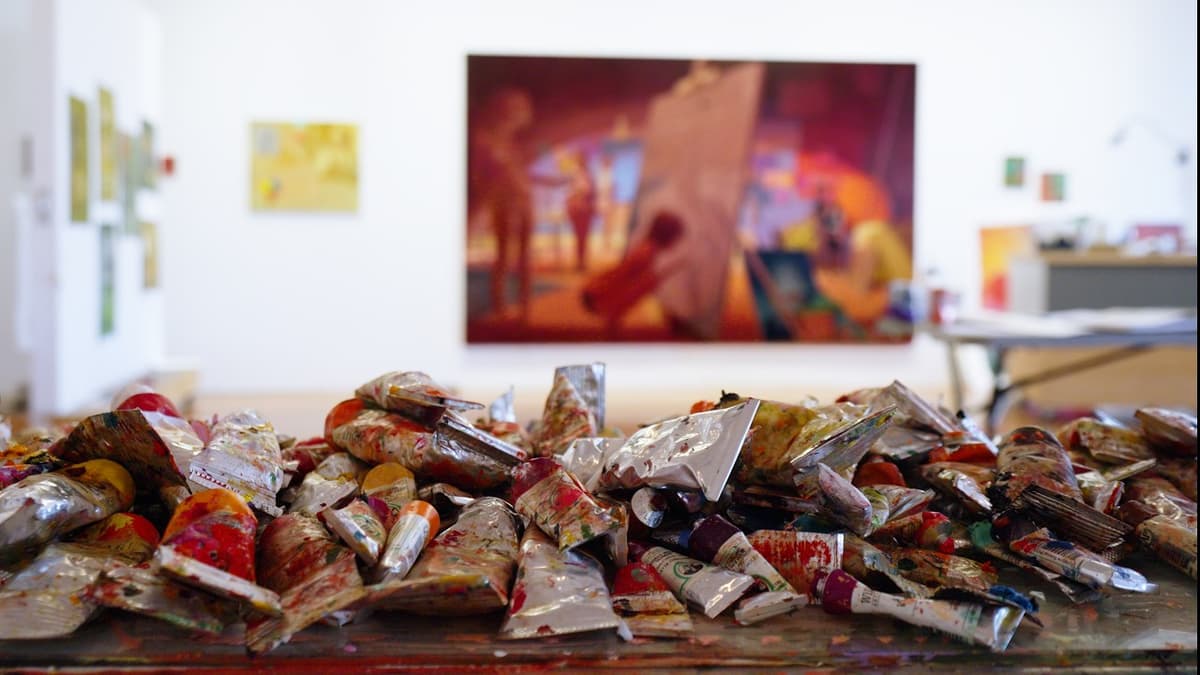
In the Studio: Lisa Yuskavage
In a candid studio interview, painter Lisa Yuskavage explains the genesis of her latest series, The Joy of Painting. The title riffs on iconic “Joy” manuals, injecting humor while signaling a fresh, self‑referential chapter in her career. Yuskavage reveals that the works recycle characters spanning three decades, each rendered on Color‑Aid paper with gouache, egg tempera and pastel—materials chosen for their dense, oil‑free pigment. The underpainting’s scraped‑down color field becomes the foreground, a deliberate contradiction that blurs abstraction and figuration. A black‑and‑white trompe‑l’oeil photograph sits amid vivid blocks, questioning reality and reinforcing her preoccupation with color temperature, saturation and brightness. Memorable moments include her description of the “Nelzia” figures as metaphors for repression, the quote “the subject is the object, the object is the subject,” and a nod to Morandi’s bottles influencing her sculptural “bad habit” pieces. She also references the monumental canvas Gigantic Studio, where familiar motifs converge with a nod to a Metropolitan Museum masterpiece. The conversation underscores Yuskavage’s evolving methodology: a blend of personal iconography, material experimentation, and conceptual depth that pushes contemporary figurative painting toward a hybrid of narrative and abstraction, attracting both critical attention and market interest.
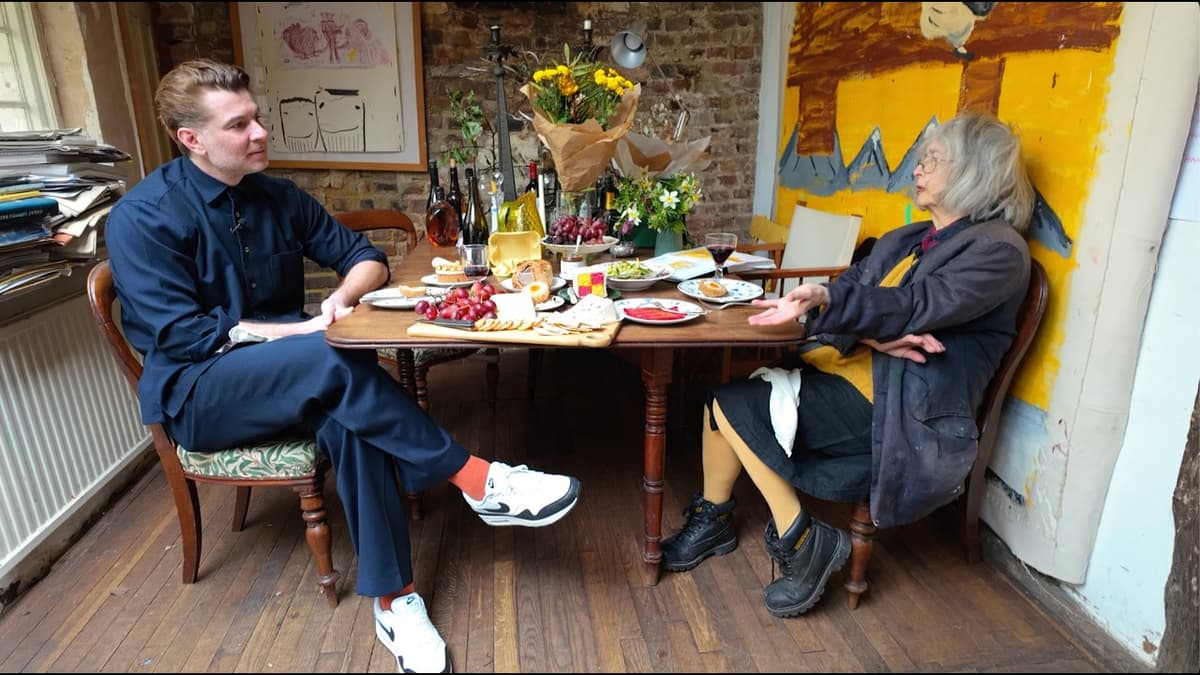
Lunch with Rose Wylie (Part II)
In a candid lunch conversation, British painter Rose Wylie reflects on her recent Royal Academy exhibition, “The Picture Comes First,” and the personal journey that led her back to the studio after decades of family responsibilities. Wylie explains that she never...
Marcel Duchamp: The Artist, the Rumors, the Questions without Answers | S10, EP8 DIALOGUES PODCAST
The Museum of Modern Art in New York has opened a once‑in‑a‑generation Marcel Duchamp retrospective, featuring over 150 works spanning his career. The Dialogues podcast episode brings together artist Rachel Harrison and Bard College art historian Alex Kitnick to discuss Duchamp’s...
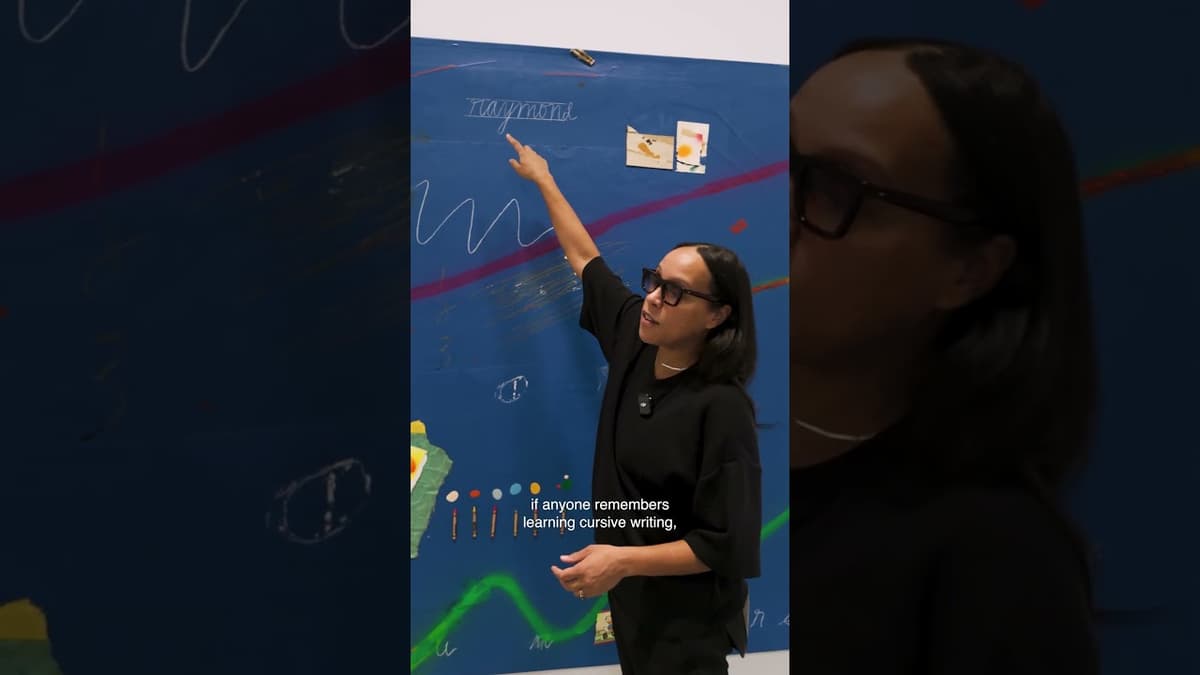
Raymond Saunders: Notes From LA
Raymond Saunders’ solo show “Notes from LA” opens with a playful nod to a first‑grade painting, setting a tone that merges personal memory with his broader artistic practice. The exhibition draws on his long‑standing fascination with pedagogy, humor, and the visual...

Walter Benjamin’s Final Days and His Cherished Paul Klee Drawing | S10, EP7 DIALOGUES PODCAST
The Dialogues podcast episode examines Walter Benjamin’s relationship with Paul Klee’s 1920 drawing Angelus Novus and traces how both the artwork and Benjamin’s seminal “Thesis on the Philosophy of History” survived the Nazi onslaught. Benjamin purchased the drawing in Munich a...

The Fruit Basket with Luc Tuymans and Helen Molesworth
The video features a conversation between artist Luc Tuymans and curator Helen Molesworth about their project "The Fruit Basket," which employs three‑dimensional figurines rendered in a muted gray gesso. By deliberately dulling the surface, the creators strip the objects of...

The Difficulty of Critiquing Black Artists with Rachel Hunter Himes | S10, EP6 DIALOGUES PODCAST
The Dialogues podcast episode features Rachel Hunter‑Himes discussing her recent Triple Canopy essay “Black Block,” which interrogates the persistent tendency to read Black art primarily through a political lens and to substitute artist identity for substantive critique. She argues that...

How Joan Mitchell Defines a Feeling
The video chronicles a little‑known chapter of Joan Mitchell’s career—her summers and falls in the early 1960s spent living aboard a sailboat that roamed the Mediterranean from the Côte d’Azur to Corsica, Italy and Greece. While navigating coastal ports, she...