SF Fed’s Mary C. Daly on Economic Shocks, Inflation, and Monetary Policy
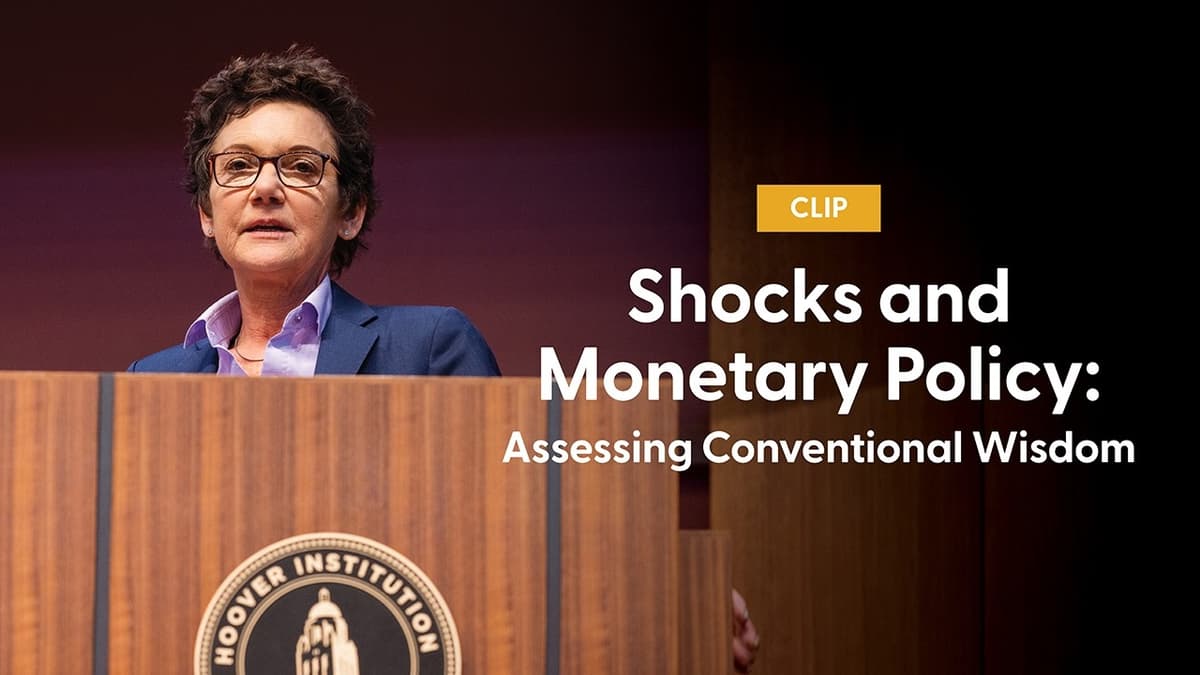
In a recent Hoover policy panel, San Francisco Fed President Mary C. Daly examined how policymakers assess economic shocks and decide whether to look through or react. She argued that the traditional split—identifying a shock as supply‑ or demand‑driven and judging its persistence—often fails, as illustrated by the pandemic’s “transitory” inflation that proved persistent. Daly recounted the Fed’s response to the Global Financial Crisis, when analysts built labor‑market heat maps and dashboards to distinguish cyclical from structural factors. By aggregating dozens of indicators, they revised the natural rate of unemployment down to roughly 5.6%, showing that workers could shift industries more readily than models suggested. Applying that lesson to inflation, Daly described a new inflation dashboard that breaks price growth into demand‑driven, supply‑driven, and momentum components, and tracks sector‑specific pressures such as tariffs and oil price spikes. Early red flags on the dashboard helped the Fed gain confidence that tariff‑driven price rises were likely temporary, while oil‑related pressures warranted closer monitoring. The overarching message is that models provide a baseline, but disciplined, data‑rich analysis—combined with real‑world business insights—offers a clearer view of shock persistence. This approach improves the Fed’s ability to anticipate inflation dynamics and adjust monetary policy before pressures become entrenched.
What Does the Federal Reserve Do?
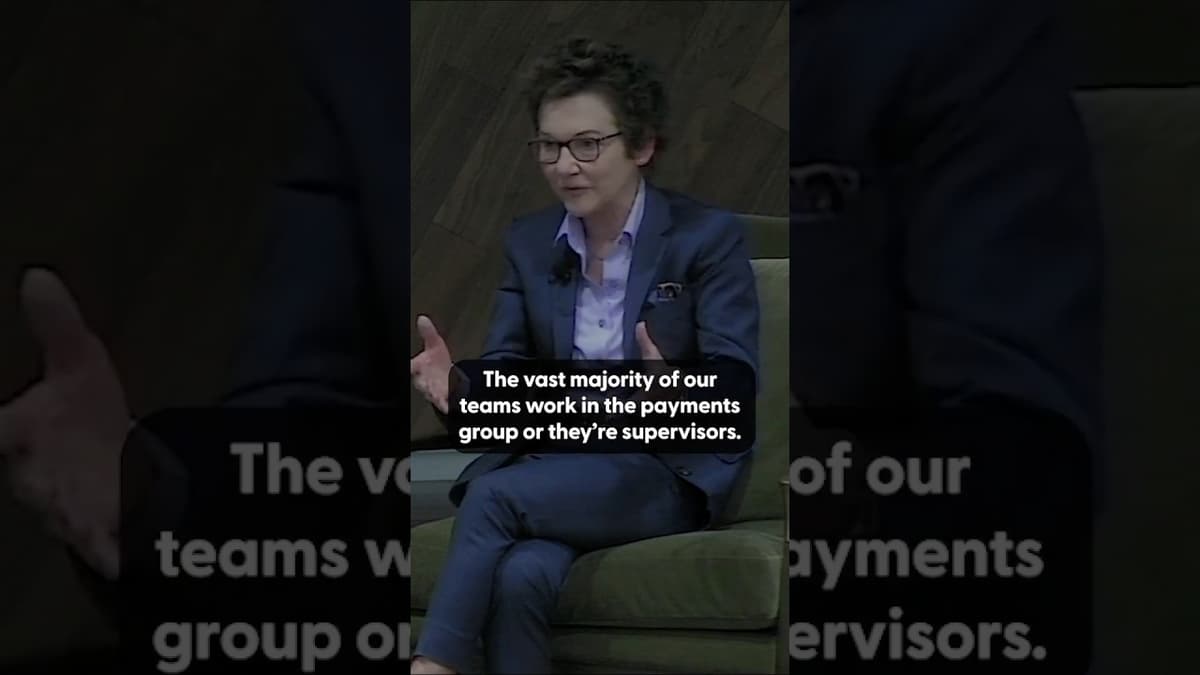
The video demystifies the Federal Reserve, emphasizing that its role extends far beyond the stereotypical image of a secluded group of economists crafting monetary policy. The speaker recounts his initial belief that the Fed was an ivory‑tower research institution and...
Regional Engagement: Federal Reserve Bank of San Francisco
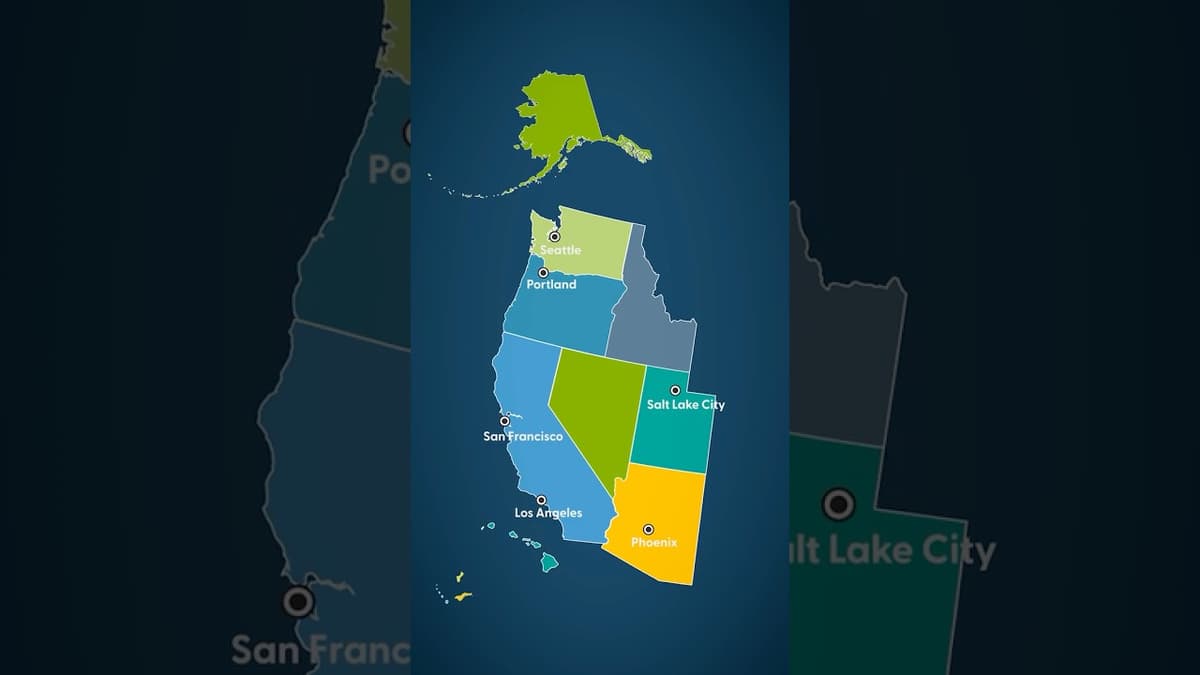
The Federal Reserve Bank of San Francisco’s regional engagement office introduced its mission to listen, learn, and share research with the communities it serves across the 12th District. By maintaining a physical presence in six cities—San Francisco, Los Angeles, Portland,...

Benjamin F. Jones | AI in Research & Development
Professor Benjamin F. Jones, a Kellogg entrepreneurship scholar, explained how artificial intelligence is reshaping research and development. He framed the discussion with a historical view of income and longevity gains, arguing that new ideas—not merely more of the same—drive long‑run...

Keynote Remarks by Mary C. Daly
In a keynote delivered in St. George, Utah, Federal Reserve Bank of San Francisco President Mary C. Daly explained the purpose and design of the Federal Reserve system, emphasizing how regional connections and community engagement underpin the central bank’s legitimacy. Daly outlined three...

Remarks From Philadelphia Fed Pres. & CEO Anna Paulson at the Macroecon & Monetary Policy Conference
Anna Paulson, President and CEO of the Federal Reserve Bank of Philadelphia, addressed the Macroeconomics and Monetary Policy Conference in San Francisco, highlighting the latest inflation trajectory, labor‑market resilience, and the Federal Reserve’s stance on interest rates. She noted that headline...

Nicholas Bloom | The Impact of AI on Productivity
Nick Bloom, Stanford economist, presented a data‑driven assessment of artificial intelligence’s effect on productivity at a San Francisco Fed event. He emphasized that the analysis relies on a large‑scale survey of roughly 6,000 CFOs and CEOs across four countries, rather than...

Phoenix Processing Center of the Federal Reserve Bank of San Francisco
The video spotlights the Phoenix Cash Processing Center, a 2001‑established arm of the Federal Reserve Bank of San Francisco serving the 12th District. As the first Fed entity designed exclusively for currency storage, the center processes roughly two million banknotes...
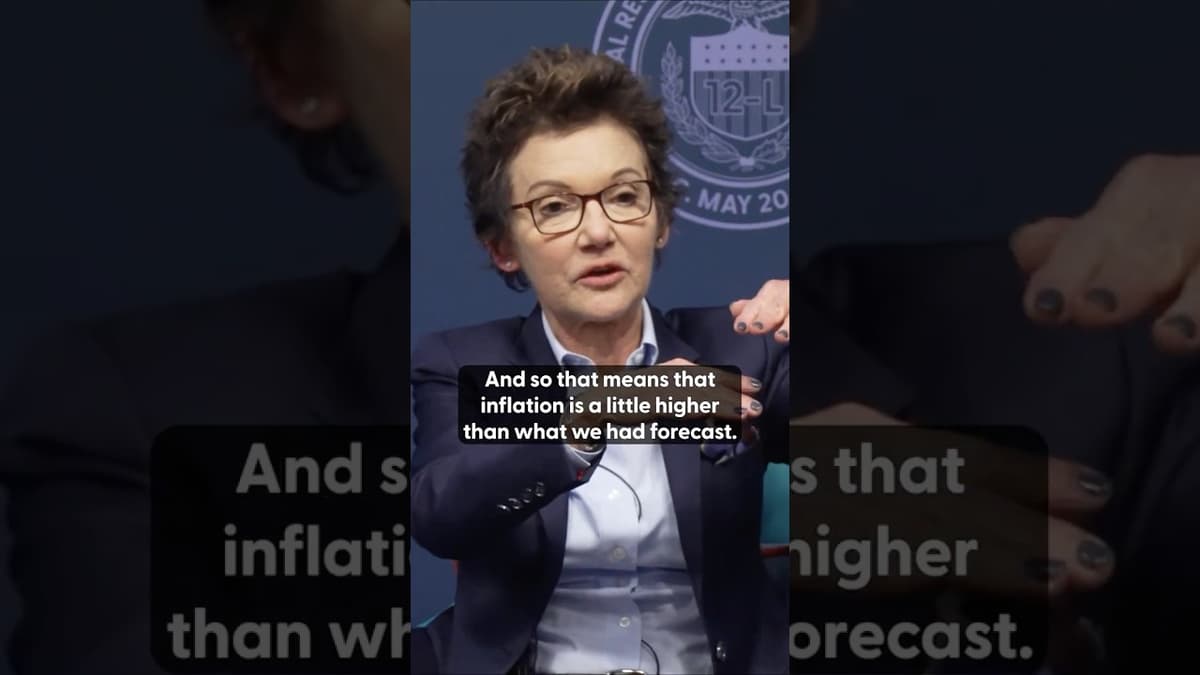
SF Fed President Explains Why Getting Inflation From 2.75% to 2% Is So Difficult
San Francisco Fed President Mary Daly said getting inflation from about 2.75% to the 2% target has been unusually difficult because of a sequence of shocks rather than an inherent ‘last mile’ problem. She singled out tariff announcements that raised...
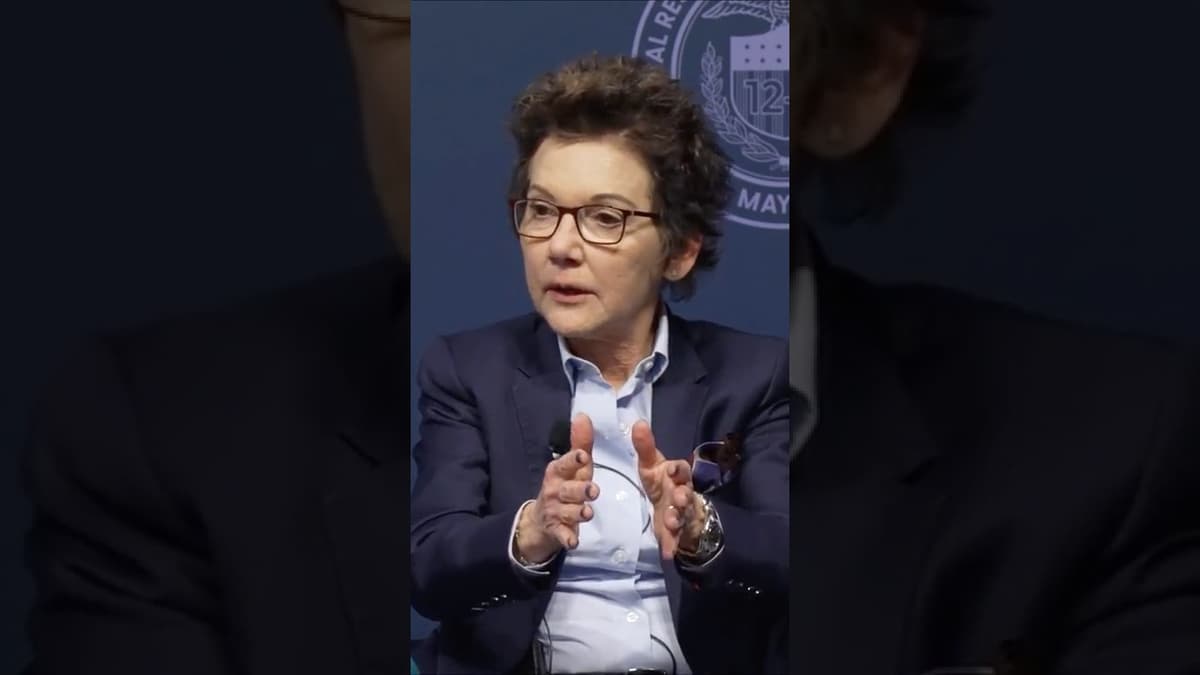
SF Fed Pres. Mary C. Daly on How the Fed Is Strategically Adopting AI
In a recent briefing, Federal Reserve President Mary C. Daly outlined the central bank’s strategic push to embed artificial intelligence across its operations. She emphasized that modern AI tools are essential for maintaining efficiency, effectiveness, and resilience while safeguarding the...
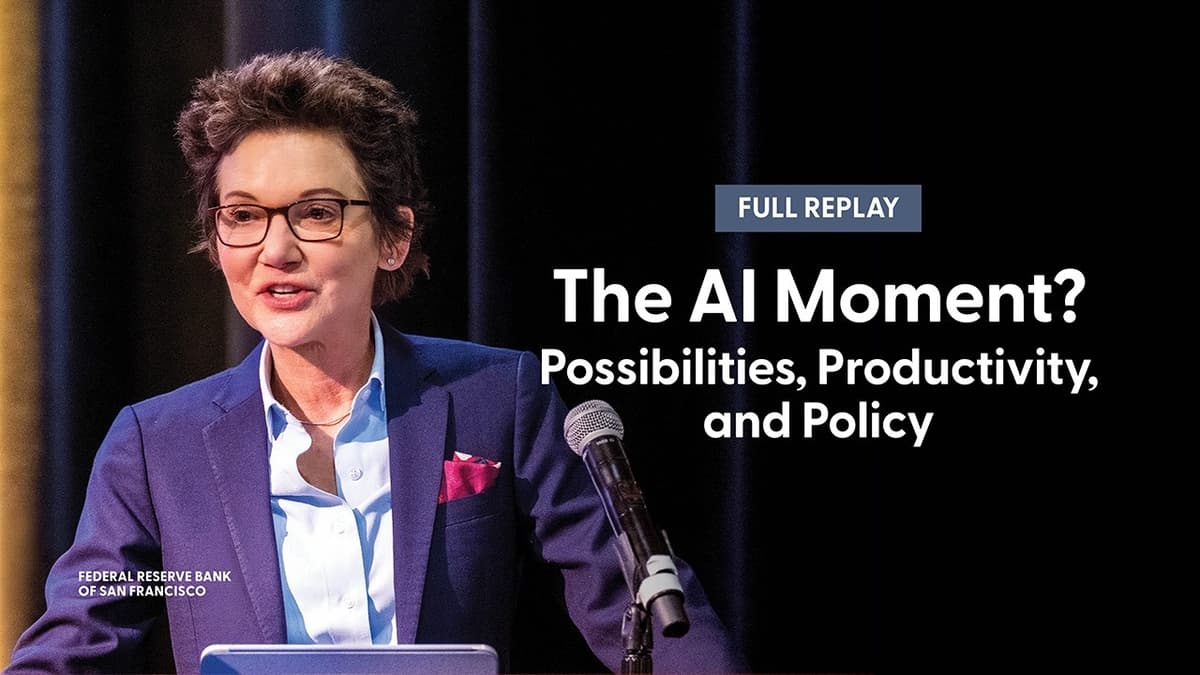
SF Fed's Mary C. Daly: AI, Productivity, and Lessons From the 1990s
In a Silicon Valley address, San Francisco Fed President Mary C. Daly examined artificial intelligence as the latest general‑purpose technology, drawing a parallel to the century‑long diffusion of electricity. She argued that, like electricity, AI’s macroeconomic impact will unfold over...