
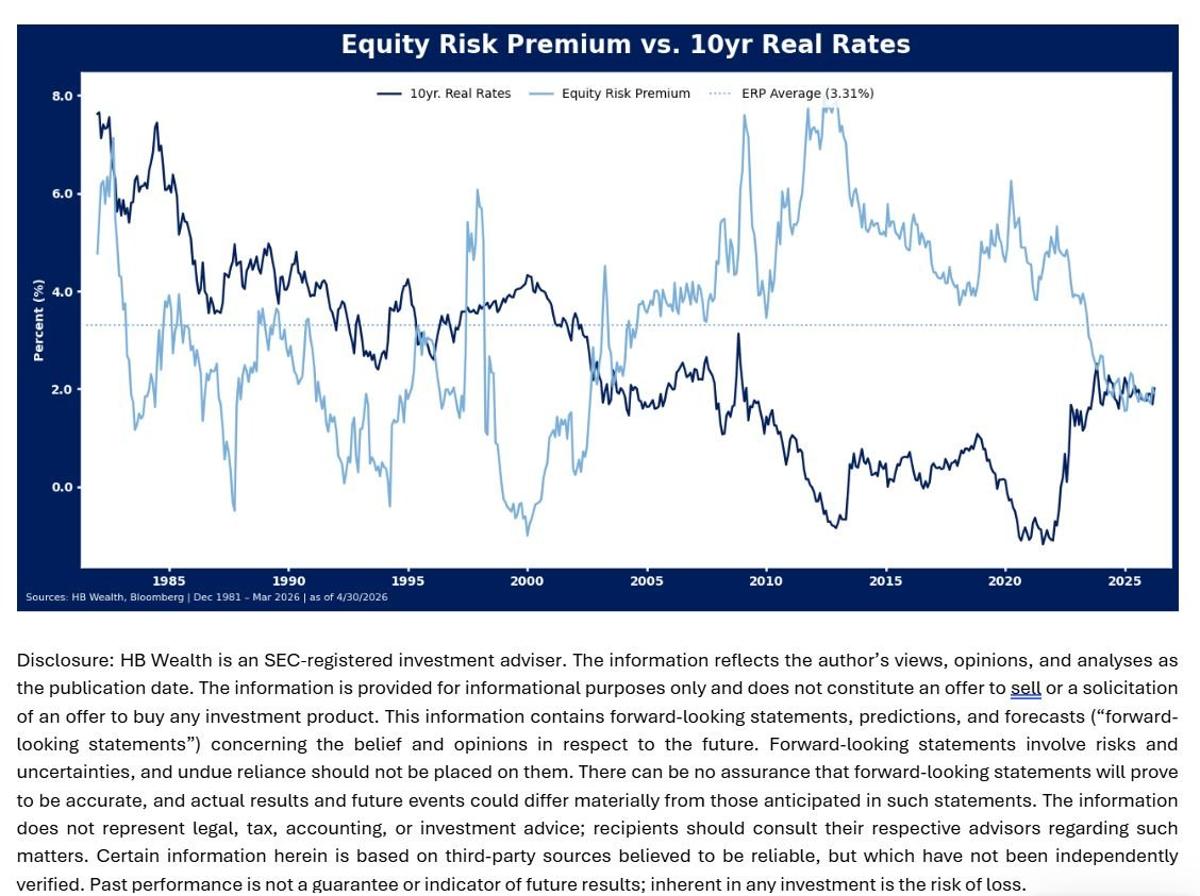
Negative ERP Signals Stock Risk, Current Levels Near Normal
The current ERP isn’t necessarily worrisome for forward equity returns. It’s roughly on par with the pre-2000 norm, which accompanied an annualized 14.8% rise in the S&P 500. The long-term average rolling annual gain is 8.1%. Greater risk to stocks emerges if the ERP slips to the fourth quartile of historical observations – where stocks historically struggled with below-average forward returns. Prospects for this may depend mostly on how bonds handle a Warsh-led Fed. A negative ERP – which occurred only ahead of Black Monday in 1987, during the global bond crisis in 1994 and right before the end of the dot-com bubble – is the real tripwire for stocks. @HB_Wealth @MikeACasper
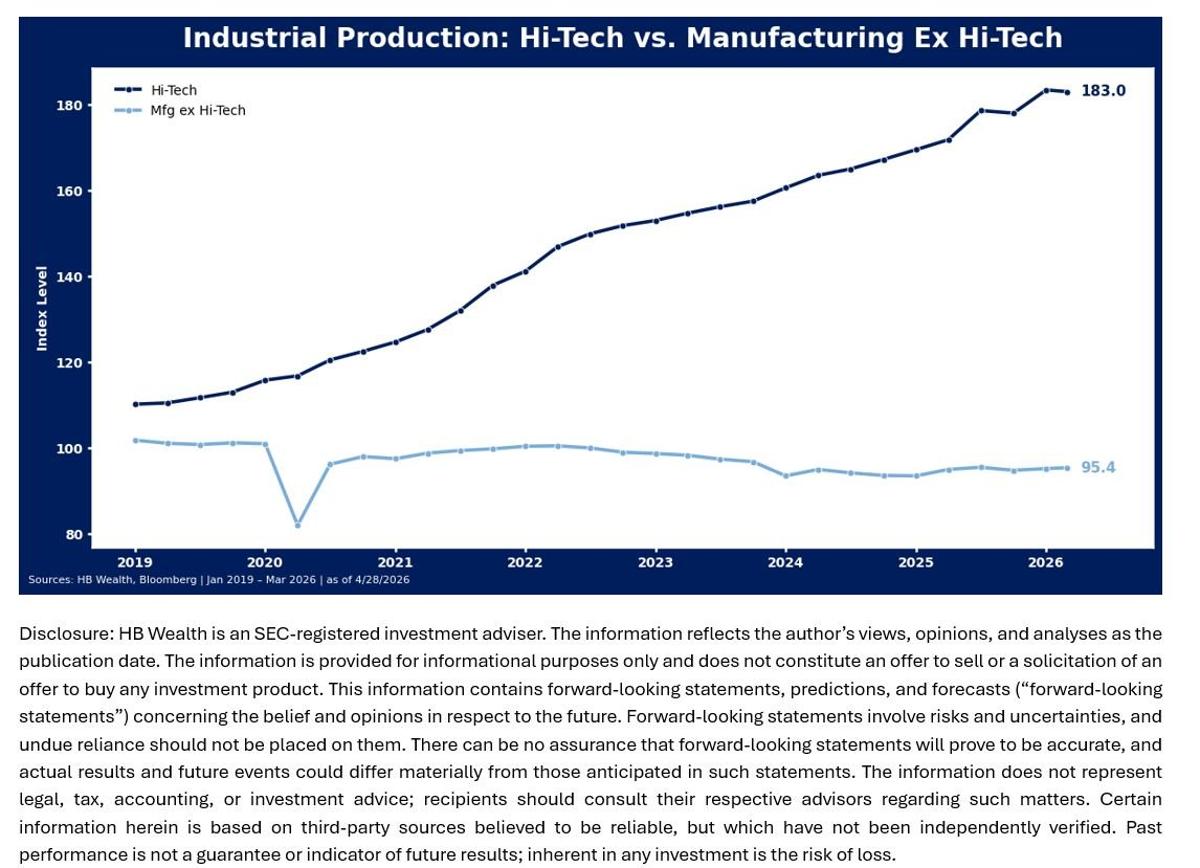
Tech Manufacturing Surges, Leaving Other Sectors Behind
The "K-shaped" economy has been most evident in US manufacturing, and this is feeding directly through to profit trends in the US equity market. Industrial production, a measure of manufacturing output, shows clearly the degree to which tech single-handedly grew...
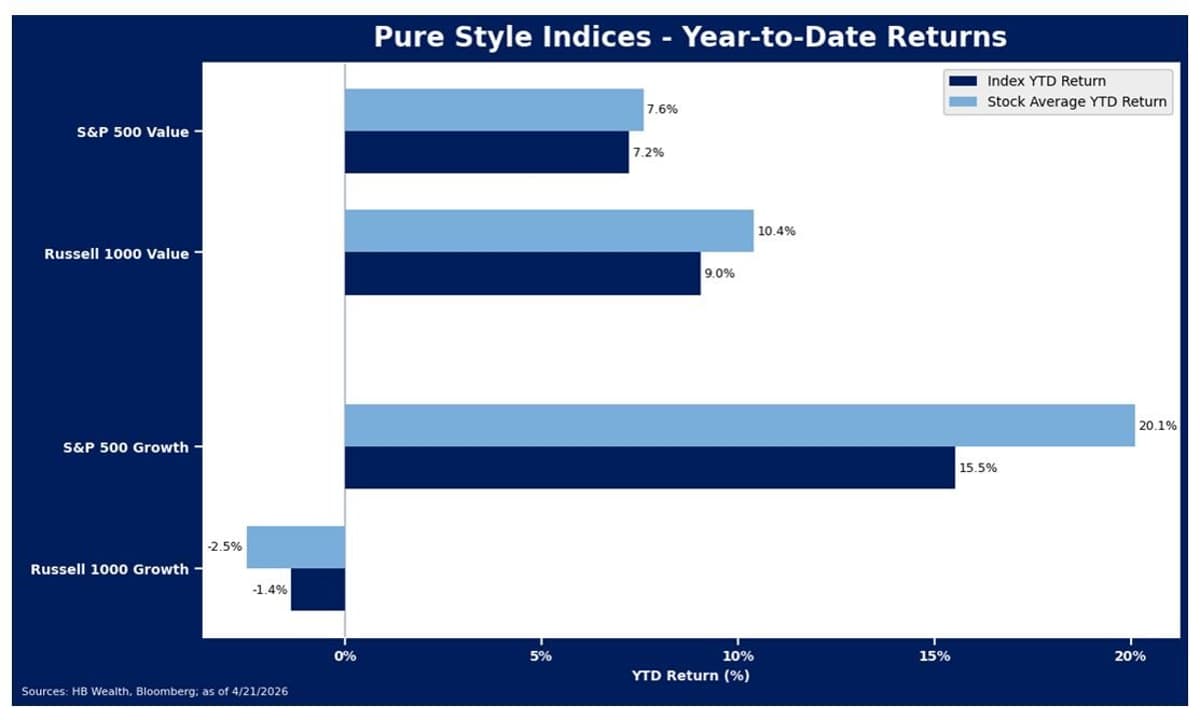
Growth's Rally Powered by Mega‑Caps, Broad Value Outperforms
The largest of large cap growth stocks have roared back from late-March lows as investors have gravitated back to perennial favorites on the presumption that recovery from war-time strain may prove similar to recovery from tariff-policy stress. However, there is...

Analyst Earnings Revisions Slip, Consumer Discretionary Hits Bottom
Analyst revisions to forward earnings expectations have dropped for the first time since early January. It is not unusual for revision momentum to turn south just prior to earnings seasons, and in fact estimates dropped in advance of the last three...
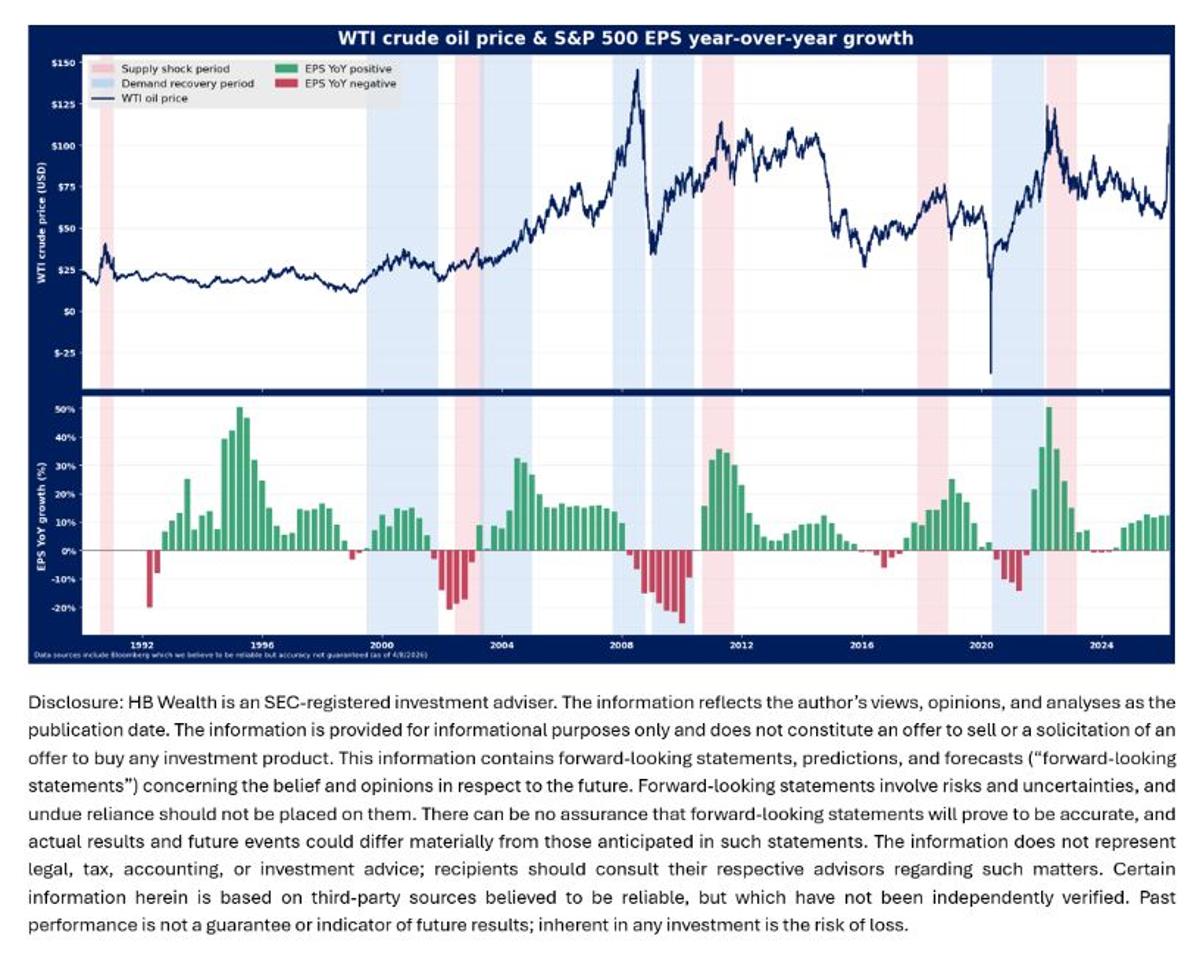
Elevated Oil Prices Trigger Lagging Earnings Downgrades
Oil price impacts are likely to start showing up in negative earnings revisions this month. History suggests elevated oil prices have a lagged impact on fundamental conditions, and as long as oil prices remain somewhat elevated, downward revisions may remain...

Rising 5% Breakeven Inflation Threatens S&P Valuations
Bond markets have rapidly repriced near-term expectations for U.S. inflation in response to surging commodity prices. The implied 1-year breakeven inflation rate is now above 5% for the first time since 2022. Elevated bond market-implied inflation expectations may present a problem...

Below 200‑Day MA Sparks Extreme Market Volatility
Stocks’ technicals continue to weaken, and for the first time in the post-Liberation Day bull market, U.S. large cap stocks are testing their 200-day moving average. Drops below the moving average have historically triggered more volatile trading. Extreme returns, both positive and...

Stocks Held Until Oil Surge Triggered 2022 Inflation Sell‑off
The equity market was "resilient" at the start of the Russia-Ukraine war as well...it took five weeks of high oil prices before stocks started to capitulate to inflation pressures in 2022. https://t.co/CXaKnBXbHv

S&P Breadth Drops Below 50%, Warning of Market Weakness
The S&P 500 is losing its breadth at both the stock and sector level, suggesting that the minor drop in the index year to date may be masking emerging weakness. The percent of stocks on the index that remain above their...
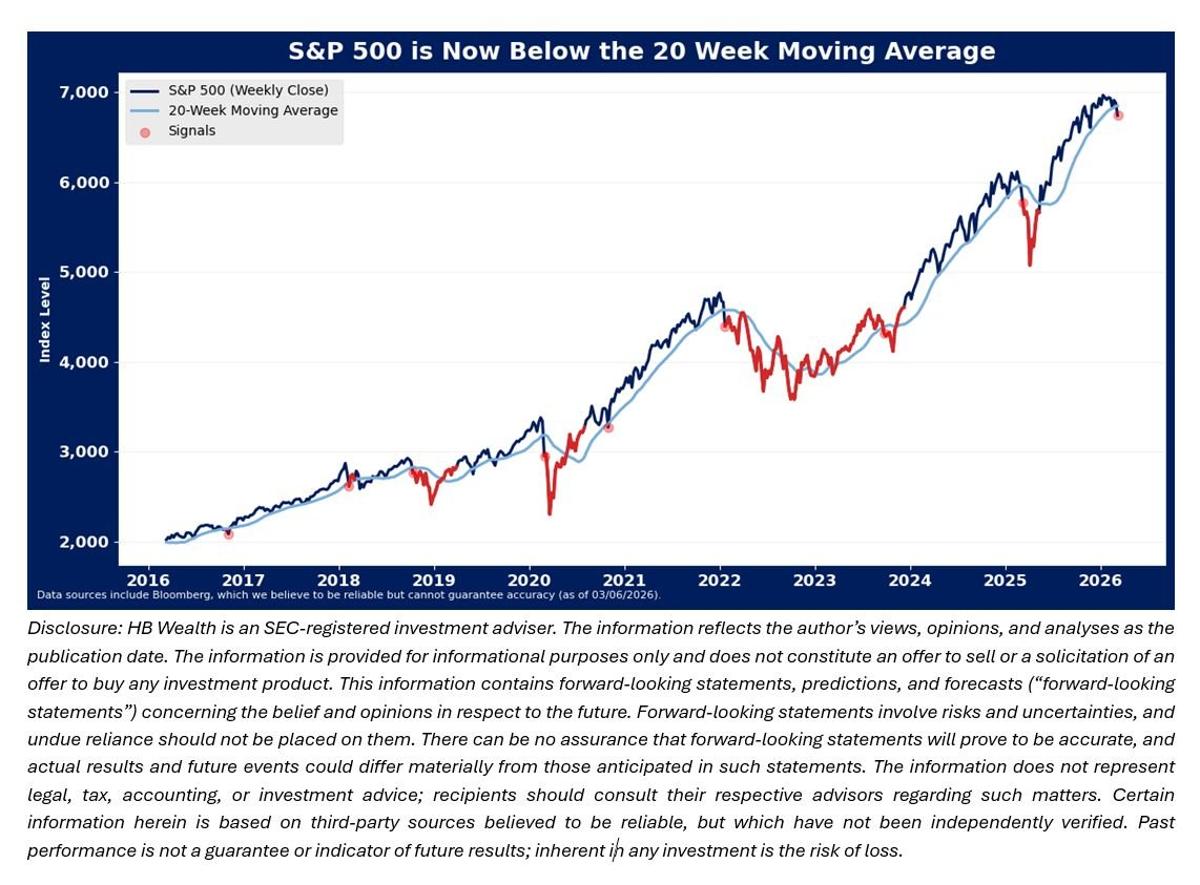
S&P 500 Breach Signals Likely Correction Ahead
The S&P 500 has broken through key support at its 100-day and 20-week moving average for the first time in about a year, increasing the probability of a full correction in the index in coming weeks. There have been just 8...
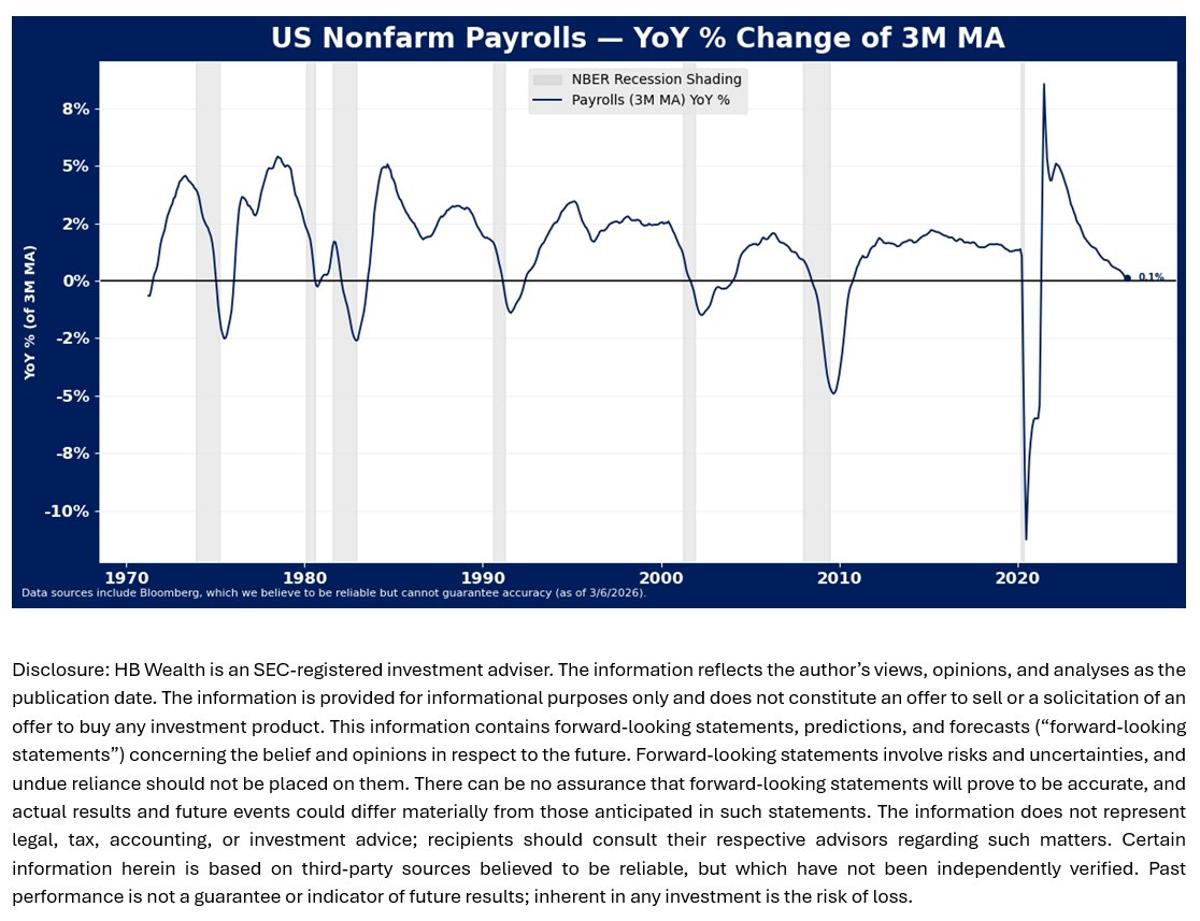
Stagnant Jobs and Oil Spike Signal Recession, Defense Favored
Recent employment trends combined with the oil price spike suggest recession risk is rising, and this was not on the market's bingo card this year... Though February job losses were skewed by one-time effects, the weakness is nonetheless part of...
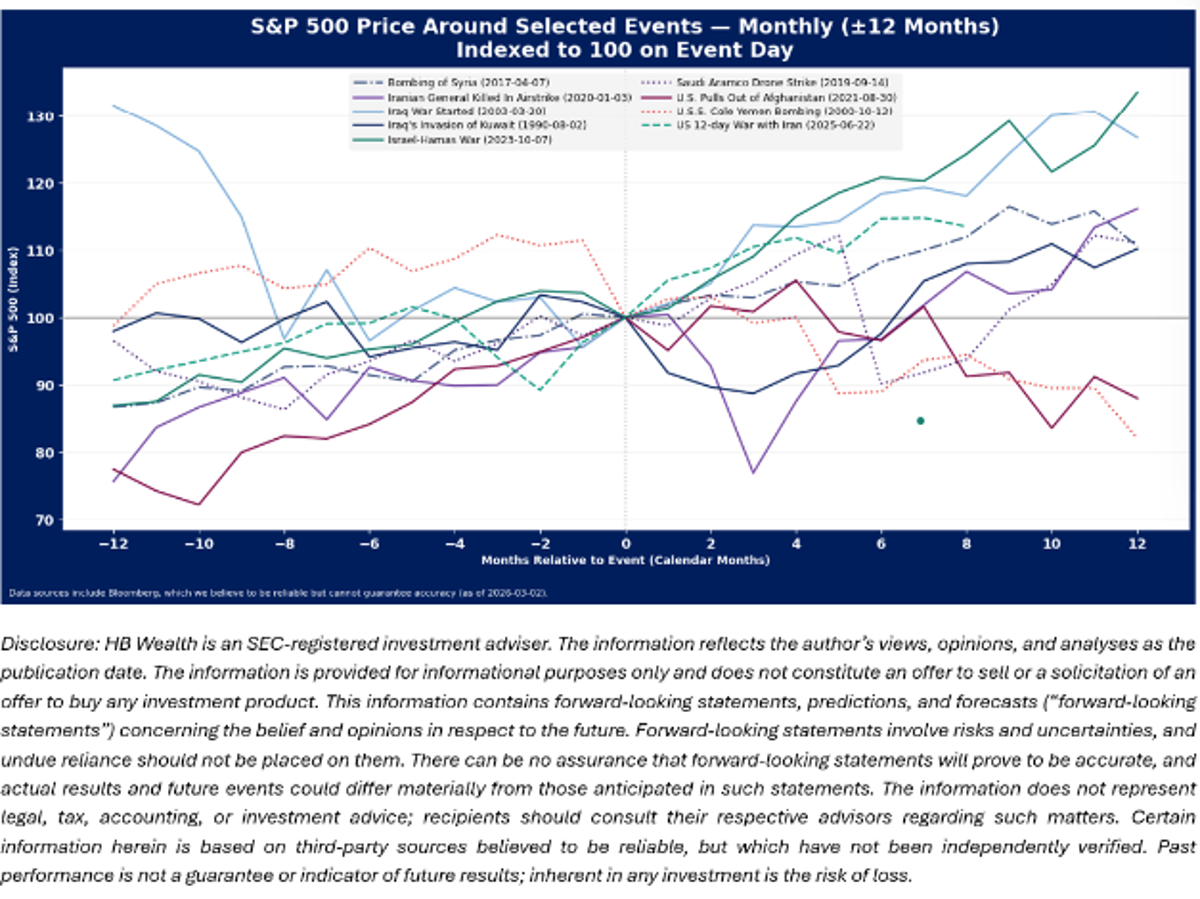
Geopolitical Shocks Trigger Short‑term Stock Drops, Not Recessions
Geopolitical risks may weigh on the outlook for stocks in the short run, with the S&P 500 now below key support at its 100-day moving average. Stocks have been transitioning leadership toward commodity-sensitive sectors and value stocks so far this...
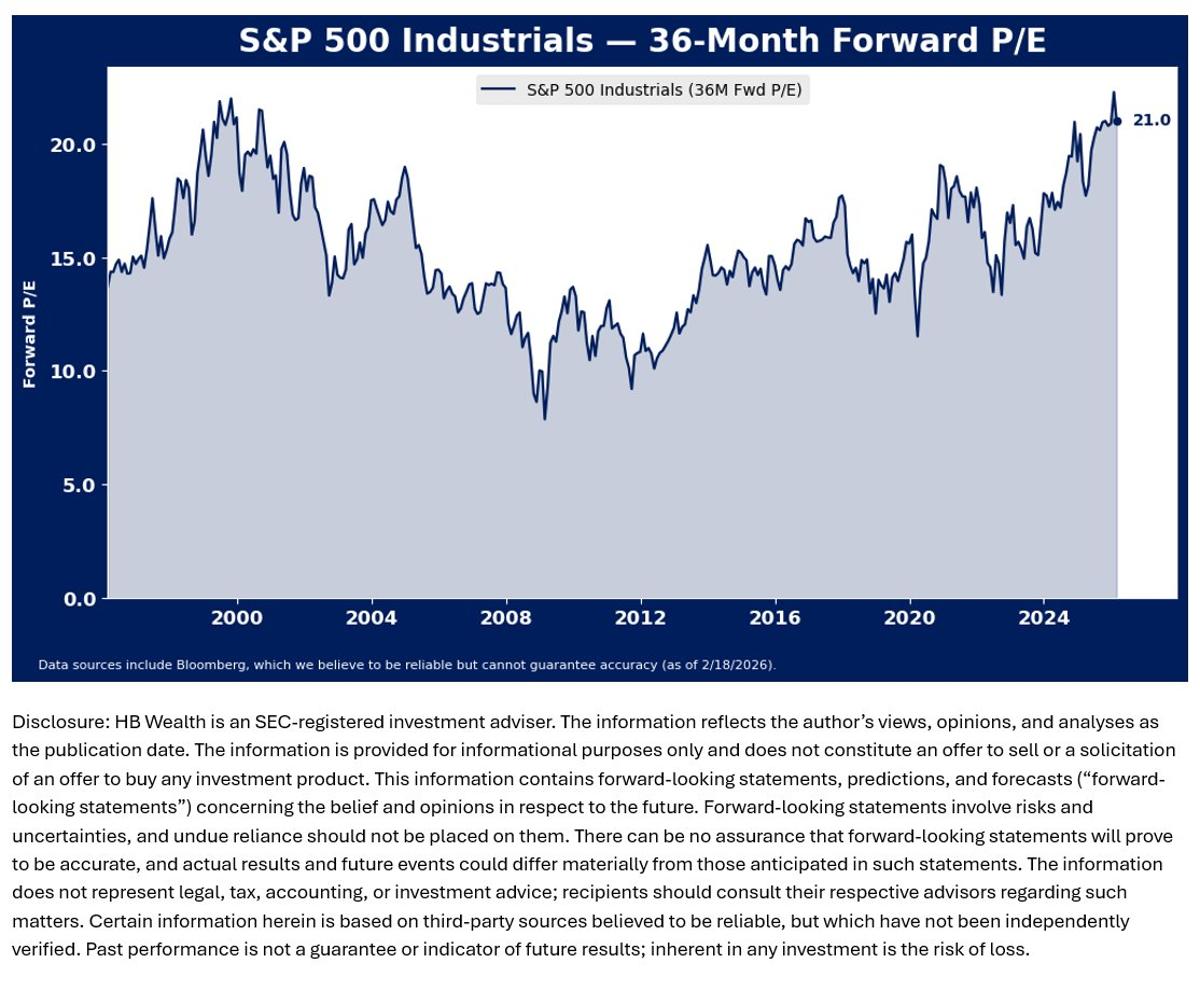
Industrial Sector Hits 30‑year Valuation Peak Amid Optimism
S&P 500 Industrials’ forward P/E, at 26.5X, matches sector P/E in 2021, when earnings were impaired by the pandemic, and at 1.24X the index, is higher than at any point in the last 30 years. EV/Forward EBITDA, Price-to-Sales and Price-to-Book...
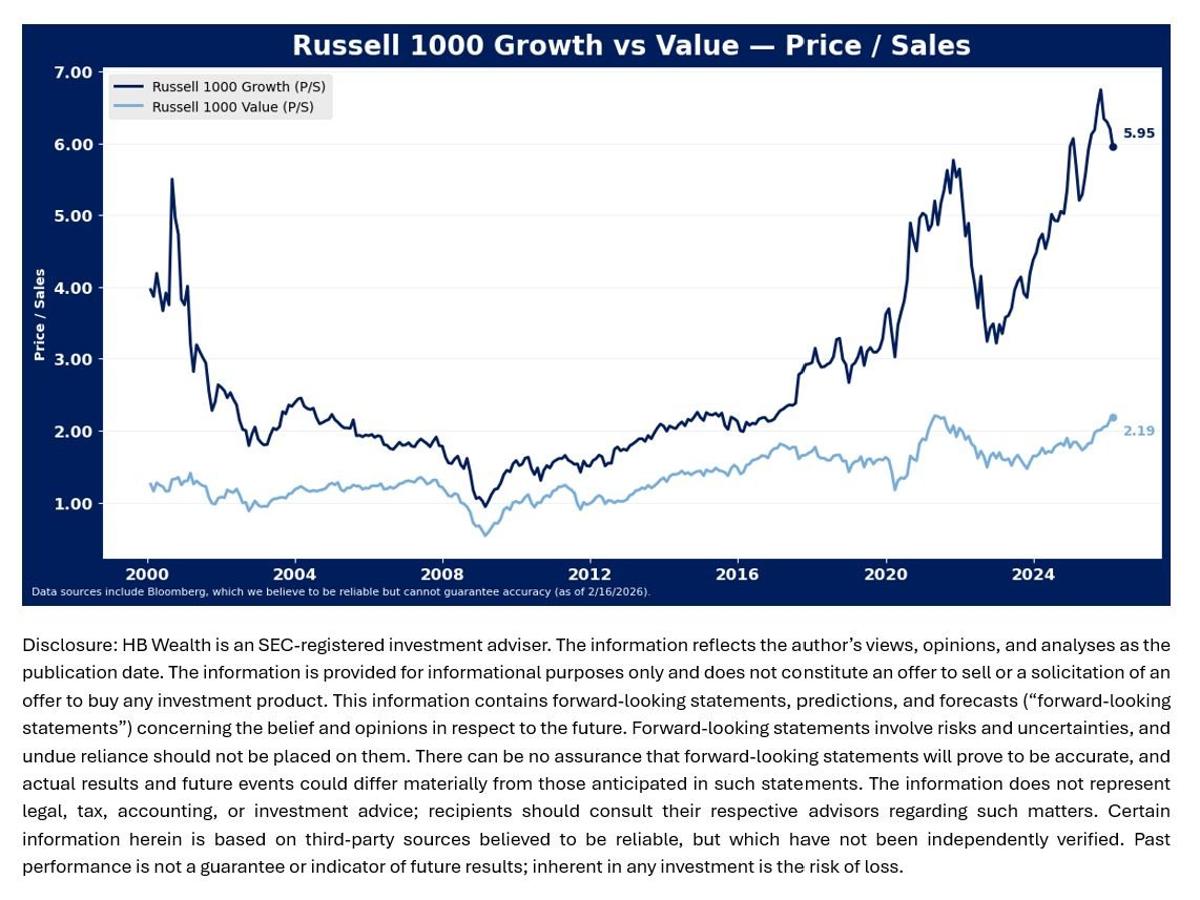
US Large‑Cap Valuations Still Overpriced, Risks Loom
Recent rotation has helped resolve some of U.S. large cap stocks’ valuation excesses, but risks remain to the downside for U.S. multiples. Large cap growth’s sales multiple is still near its all-time high, at about 6X, and growth’s earnings multiple may...