IRENA - Latest News and Information

IRENA's latest webinar highlighted the rapid growth of electric‑vehicle (EV) battery demand and its implications for critical material supply chains. The organization’s 2024 report projects a five‑fold increase in battery production by 2030, requiring roughly 4,300 GWh of capacity to meet a 1.5 °C‑aligned scenario. While geological reserves appear sufficient, bottlenecks are expected in mining, refining and processing stages, making a holistic supply‑chain view essential. The analysis explored three technology pathways: a stagnation scenario dominated by nickel‑rich chemistries, a current‑trend path favoring lithium‑iron‑phosphate (LFP/LMFP), and an aggressive‑innovation scenario where sodium‑ion batteries gain market share. Innovation can dramatically reduce reliance on scarce metals such as cobalt and nickel, easing geopolitical pressures. Sodium‑ion cells, which use abundant sodium compounds, avoid lithium, nickel and cobalt altogether, offering greater resource resilience. Key data points underscored the trade‑offs: lithium carbonate prices spiked in 2022, prompting interest in alternatives, yet sodium‑ion batteries still cost $80‑100 /kWh versus $52‑81 /kWh for lithium‑ion today. Performance advantages include stable operation across extreme temperatures, making them attractive for stationary storage and certain EV markets in China, India and Southeast Asia. However, lower energy density and higher current costs mean they remain complementary rather than disruptive at present. For industry and policymakers, the takeaway is clear: accelerating battery‑technology R&D, expanding processing capacity, and fostering recycling will be critical to de‑risk supply chains. Diversifying chemistries, especially toward sodium‑ion and other low‑critical‑material solutions, can safeguard the energy transition against material shortages and price volatility.

The International Renewable Energy Agency’s Knowledge, Policy and Finance Centre launched the Coalition for Action’s report on solar‑powered agri‑food systems, showcasing seven diverse success stories that illustrate how agrivoltaics can transform energy‑intensive agriculture. The report frames agriculture as a sector...
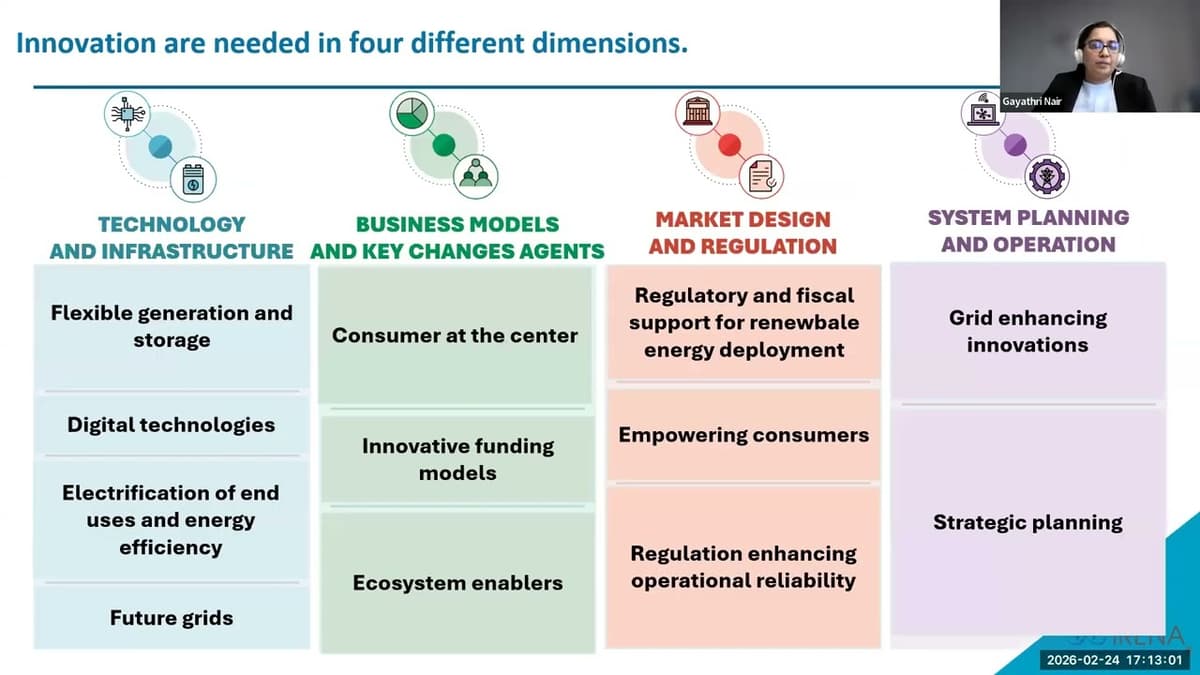
IRENA released its flagship report, Innovation Landscape for Sustainable Development Powered by Renewables, which catalogs 40 renewable‑focused innovations. The report serves as a strategic toolkit for policymakers to combine technologies that build resilient power systems and expand energy access. It...

The Strategic Energy Access Planning Support (SEAPS) programme has enabled Senegal to implement low‑cost, integrated electricity planning mandated by the country’s electricity code. Through SEAPS, an institutional team established a national power‑sector database and developed a bespoke Senegalese energy model, tools...
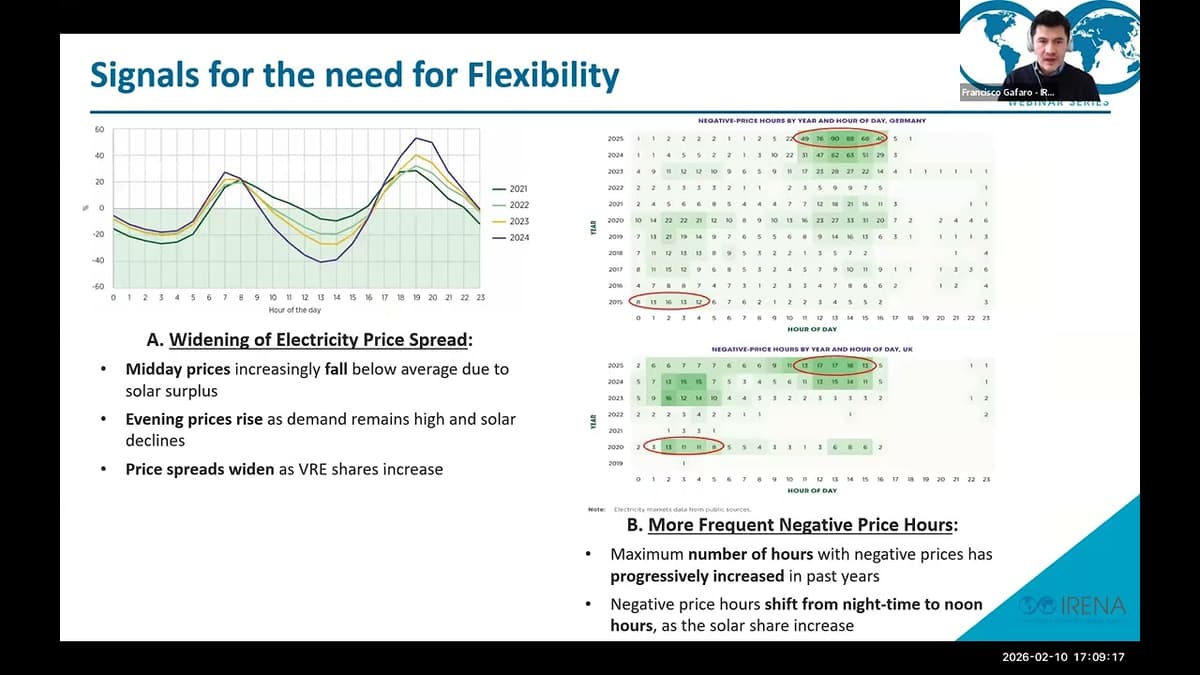
The IRENA Insights webinar presented findings from the agency’s new report “Flexibility for a Secure and Affordable Power Sector Transformation.” Speakers Francisco Gafaro and Danielle Salim explained why flexibility has become as critical as renewable capacity in a power system...
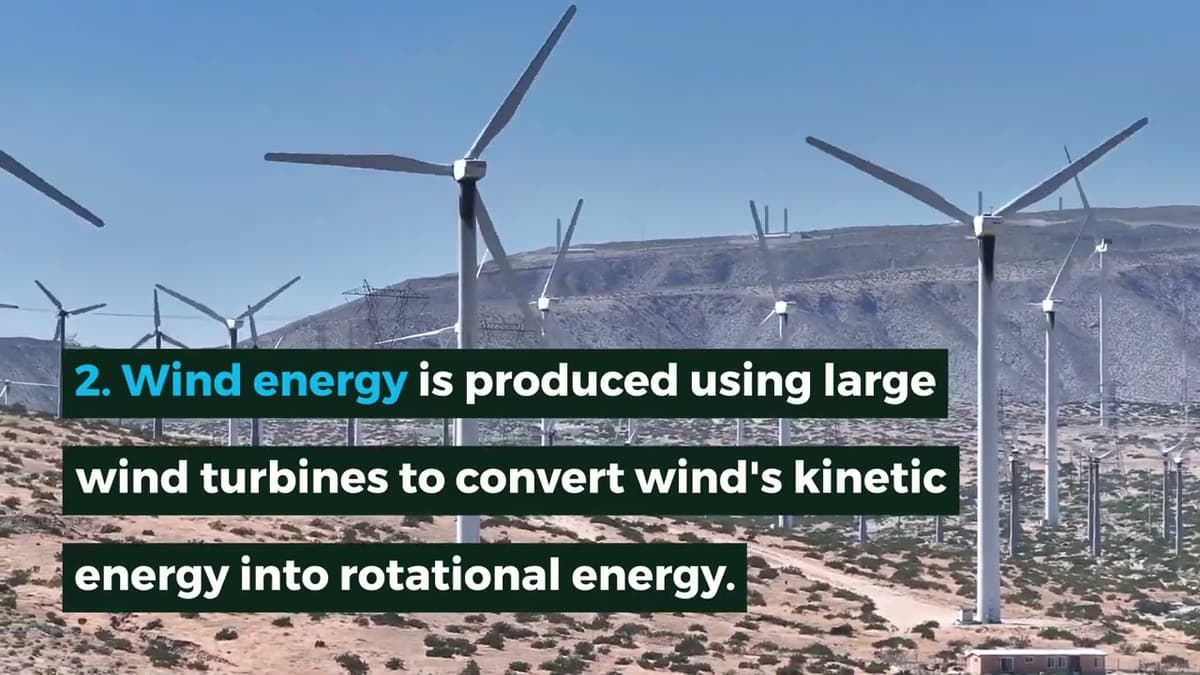
Renewable energy sources—solar, wind, hydropower, bioenergy, geothermal, and ocean—convert natural flows into electricity and heat. These technologies underpin the global energy transition by reducing carbon emissions. Adoption is accelerating as costs fall and policy support grows. The International Renewable Energy...


