
Economic Warfare Reimagined: Insurance as a Tool of U.S. Strategic Influence
The Irregular Warfare Initiative paper proposes "insurance as economic security" (IAES), a parametric‑insurance‑based tool that the United States could deploy to counter China and Russia’s growing influence in the Global South. IAES would deliver rapid, pre‑funded payouts during natural disasters or economic shocks, requiring only premium payments rather than large aid budgets. By leveraging private insurers, the approach minimizes U.S. fiscal exposure while providing a high‑velocity, soft‑power lever for civil‑affairs teams. The concept, dubbed “insurfare,” aims to embed economic warfare into the irregular‑warfare toolkit.

Conflict Has Memory: Why Local Wars Follow Distinct Trajectories
New research introduces a trajectories approach to irregular conflict, showing that local violence follows distinct, memory‑driven pathways rather than isolated incidents. An analysis of 3,700 African localities finds 77% experience brief, one‑year cycles, while recurrent zones endure 3‑4‑year episodes and...
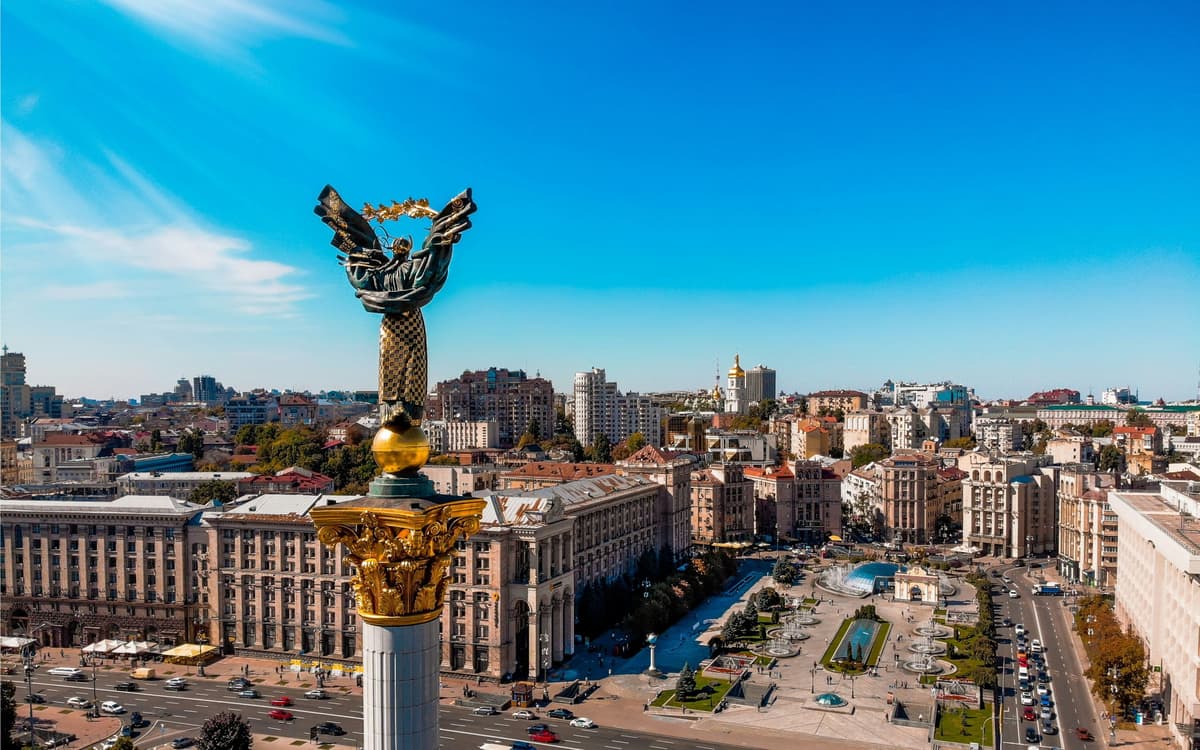
Fireside Chat: Ukraine & the Future of European Security
The Irregular Warfare Institute hosted a Fireside Chat titled “Ukraine & the Future of European Security,” featuring experts Dr. Olga Chiriac, Dr. Nick Krohley, and Dr. John Pennell. The discussion examined whether Russia has learned that its long‑term hybrid campaign...

Capital Controls: The Evolution of Outbound Investment Security Strategy
The United States, with roughly $6.8 trillion in outbound investment, has launched the Outbound Investment Security Program (OISP) in January 2025, now being codified in the Comprehensive Outbound Investment National Security (COINS) Act. OISP obliges U.S. persons to notify the Treasury before...

Los Límites De La Decapitación De Líderes: Consecuencias Estratégicas Del Exceso De Confianza en La Fuerza Militar Para La Transformación...
The article argues that the United States’ two‑decade reliance on leadership decapitation—using military force to remove top officials—delivers quick tactical victories but often fails strategically because it leaves underlying coercive networks intact. It examines Iraq, Afghanistan, Venezuela, Iran and Cuba,...

Hannah Lamb’s “Angle of Attack” Featured on Chief of Staff of the Army’s March 2026 Recommended Articles List
An article by Army Aviation officer Hannah Lamb titled “Angle of Attack: Apache Attack Helicopters in Unmanned Skies” has been included in the Chief of Staff of the Army’s March 2026 Recommended Articles List. The piece examines how the AH‑64E...
The Limits of Leadership Decapitation: Strategic Consequences of Overreliance on Military Force for Political Transformation
The post argues that U.S. reliance on leadership decapitation—removing top officials with military force—produces rapid tactical successes but fails to achieve lasting political change. Cases from Iraq, Afghanistan, Venezuela, Iran and Cuba show that without dismantling the underlying patronage and...
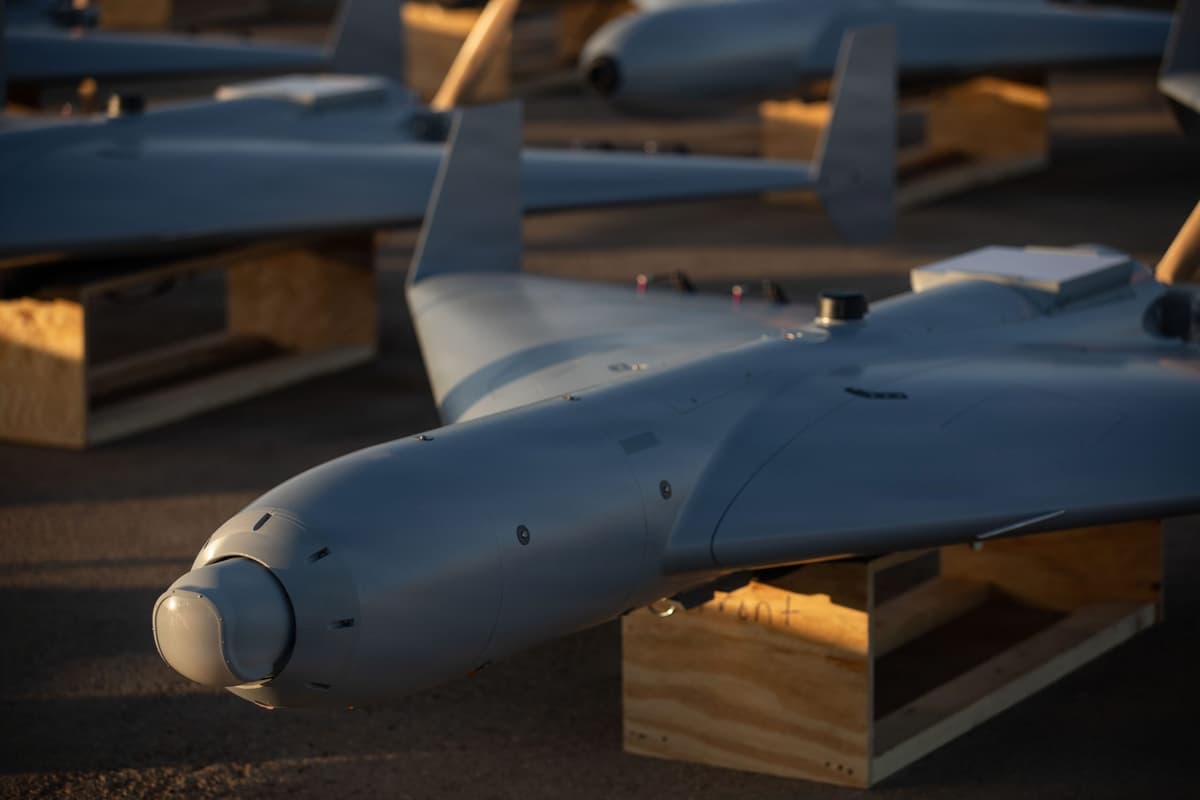
Geoeconomics of Irregular Warfare: Iran and the Global Ripple Effects — Part VI
In the sixth installment of the Irregular Warfare Initiative’s series on Iran’s conflict, a panel of experts examined how private‑sector technologies and industrial capacity are reshaping modern warfare economics. They highlighted lessons from Ukraine, the rise of low‑cost autonomous platforms...

Geoeconomics of Irregular Warfare: Iran and the Global Ripple Effects — Part V
In the fifth installment of the Irregular Warfare Initiative series, a panel of experts dissected the geoeconomic fallout from the ongoing conflict with Iran. They highlighted how energy market volatility and supply‑chain disruptions are now tightly linked to battlefield dynamics....

Chokepoints: American Power in the Age of Economic Warfare
Episode 151 of the Irregular Warfare Podcast unpacks how the United States wields economic power—through the dollar, sanctions, export controls and supply‑chain leverage—as a core element of great‑power competition. The discussion is anchored in Eddie Fishman’s book *Chokepoints* and features...

Commercial Pathways and Proxy Power: How Irregular Forces Acquire Advanced Capabilities
In June 2024 Italian customs uncovered disassembled Chinese Wing Loong II drone components hidden in containers labeled as wind‑turbine parts bound for Libya. The seizure revealed a sophisticated commercial supply chain—joint‑venture production in the UAE, software licensing, and integration‑hub models—that enables proxy...

Geoeconomics of Irregular Warfare: Iran and the Global Ripple Effects — Part IV
In the fourth installment of the Irregular Warfare Initiative’s series, experts Hamlet Yousef, Ioannis Koskinas and Tom Johansmeyer dissect how Iran’s conflict is being fought with economic levers such as energy disruption, maritime insecurity and financial resilience. The panel challenges common timelines and...

The Insurance Weapon: How Commercial Risk Logic Became an Irregular Warfare Tool at Hormuz
In late February 2026, coordinated U.S.–Israeli airstrikes triggered a rapid insurance‑driven shutdown of the Strait of Hormuz. War‑risk premiums surged fivefold, Lloyd’s Joint War Committee reclassified the entire Arabian Gulf as a conflict zone, and major insurers withdrew affordable coverage,...

The Strategic Shift: A Leader’s Guide to the Risk to Follower Model (Part 2 of the 3-Part ‘Guerrilla Leader’ Series)
The second installment of the Guerrilla Leader series introduces the Risk to Follower model, a diagnostic tool that maps partner forces' perceived danger to the utility of a leader’s competence versus connectedness. The model plots two curves—transactional competence rising with...

The Elder’s Gambit and the Practice of Narrative Warfare
The piece recounts a 2010‑11 U.S. information‑operations interview with a captured Pashtun Taliban fighter, where conventional ideological questioning failed. By adopting an elder’s demeanor and invoking Pashtunwali’s honor code, the interrogator shifted the conversation to the subject’s identity, prompting self‑judgment...

Geoeconomics of Irregular Warfare: Iran and the Global Ripple Effects — Part III
In the third installment of the Irregular Warfare Initiative’s series, analysts Hamlet Yousef and Ioannis Koskinas dissect the geoeconomic dimensions of the ongoing Iran conflict. The discussion, moderated by Jackie Giunta, highlights how energy flows, maritime security and sanctions networks...

From Orbit to Objective: Space and the Future of Conflict
The Irregular Warfare Podcast episode “From Orbit to Objective” examines how space has become a contested domain shaping modern conflict. Hosts Ben Jebb and Charlie McGillis interview Dr. James Kiras and U.S. Space Command leader General Stephen Whiting about the...

Friendly Cyber Fire: How Much Did NotPetya Cost Russia?
The NotPetya ransomware attack of June 2017 generated an estimated $10 billion in worldwide economic losses, affecting governments, utilities, and multinational corporations. Recent analysis estimates that Russian entities—most notably Sberbank, Rosneft, and other domestic firms—absorbed roughly $245 million of that damage, a...

The Strategic Use of Drones in Pakistan–India Irregular Warfare
The India‑Pakistan rivalry has entered a new unmanned era, with both sides deploying a spectrum of drones—from cheap quadcopters to MALE/HALE platforms—along the Line of Control. The May 2025 crisis marked the first large‑scale use of UAVs for strategic signalling, air‑defense...

Q&A with Former Israeli Shin Bet Director and Command-in-Chief of the Israeli Navy – Ami Ayalon on Iran, Gaza, and...
In a candid interview, former Shin Bet chief and ex‑Israeli Navy commander Ami Ayalon argues that any war with Iran will end in a low‑intensity stalemate rather than a democratic transformation, and that President Trump ultimately decides its start and finish. He...

Iran, Revolution, and the Logic of Proxy Warfare
Episode 150 of the Irregular Warfare Podcast explores how Iran’s modern state evolved from the 1953 coup and the 1979 revolution to adopt proxy warfare as a core foreign‑policy tool. Guests Dr. Arman Mahmoudian and Behnam Ben Taleblu explain why...
The Strategic Logic of Large Militant Alliance Networks
Episode 148 of the Irregular Warfare Podcast examines why militant groups form large alliance networks, drawing on research by Chris Blair and Phillip Potter. The authors argue that alliances are less about signaling strength and more about compensating for organizational...

Precision-Guided Predictions: Intelligence Risk in Prediction Markets
The article warns that prediction markets such as Polymarket are becoming real‑time sensors for classified military intent, citing the 2024 Maduro removal bet, a 2026 Israeli insider‑trading indictment, and the failed DARPA Policy Analysis Market. It explains how contract spikes...

Geoeconomics of Irregular Warfare: Iran and the Global Ripple Effects
The Irregular Warfare Initiative hosted a roundtable to dissect Iran’s deepening economic crisis amid heightened sanctions and shifting U.S. policy. Panelists argued that Tehran’s shrinking GDP and faltering proxy network signal a historic inflection point rather than a routine flare‑up....
State-Actor Cyber Catastrophes: $40bn over 26 Years
A new article in the Journal of Strategic Competition, “Rewriting History: Understanding Historical Catastrophic Cyber Economic Losses,” introduces the first systematic database of cyber‑related economic disasters. It catalogs 24 events from 1998 onward, estimating a cumulative $40 bn loss over 26...

Preserving the American Edge: Revitalizing the Defense Industrial Base
Episode 147 of the Irregular Warfare Podcast argues that America’s defense industrial base has been the engine of military advantage from Roosevelt’s World War II mobilization to Cold‑War stealth breakthroughs. The hosts warn that China’s rapid expansion of defense manufacturing is...
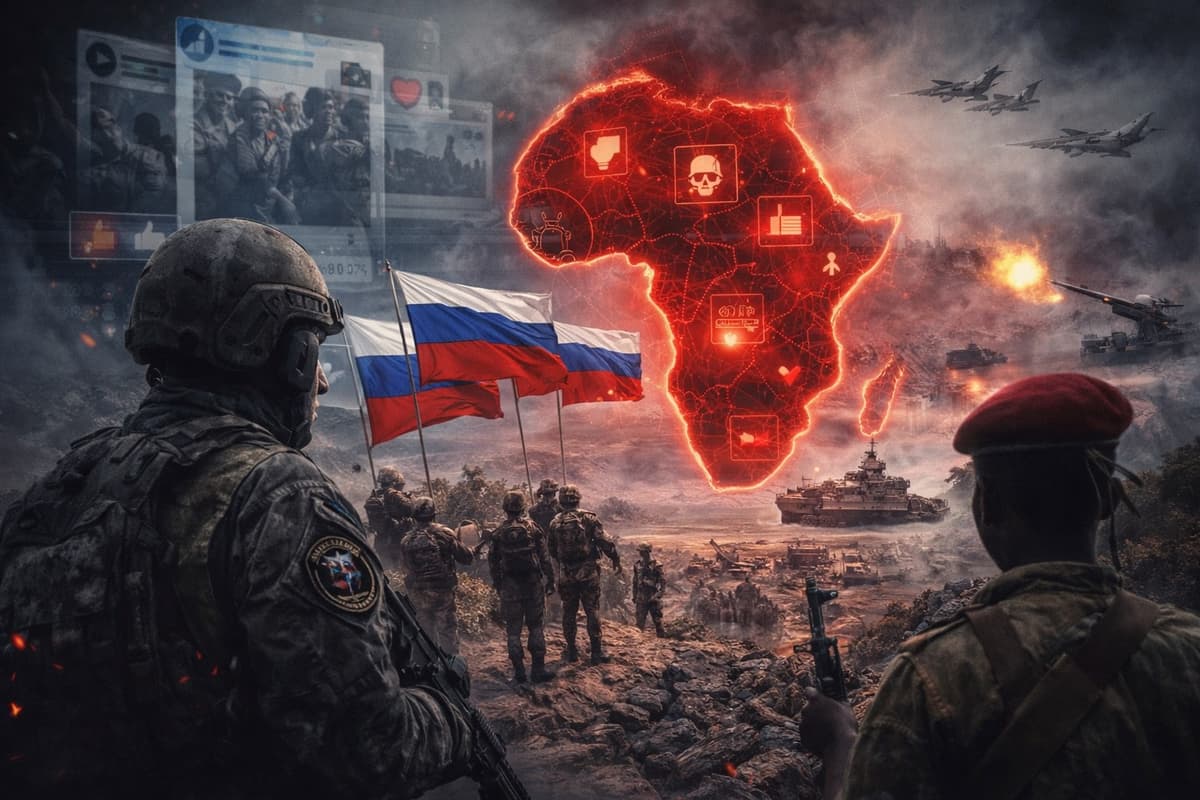
The Waiting Game: Signposts of Russia’s Coming Failure in Africa
Russia’s Africa Corps, successor to the Wagner Group, now fields troops in six African states, leveraging disinformation and security contracts to replace waning Western influence. The exodus of French, EU and U.S. forces from the Sahel and West Africa has...
China’s Digital Yuan and the Fight for Southeast Asia’s Financial Infrastructure
China is accelerating the rollout of its interest‑bearing digital yuan (e‑CNY) across Southeast Asia, launching cross‑border pilots such as the China‑Laos settlement system and expanding access through commercial banks. The People’s Bank of China’s new management framework aims to turn...
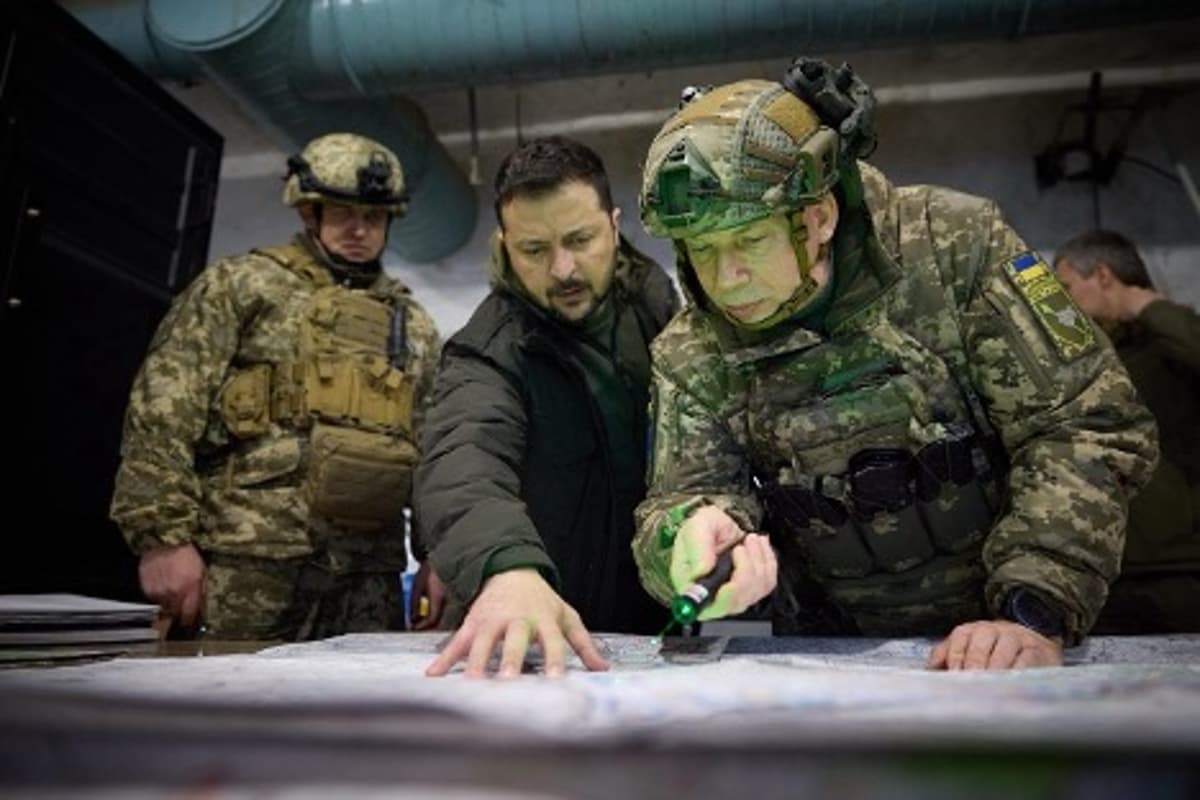
What I Learned From Being a Planner in an Advisory Command: Reflections From the Security Assistance Group – Ukraine
Lieutenant Colonel Benjamin Stumpf recounts a six‑month stint with the Security Assistance Group‑Ukraine, where planners had to adapt traditional military decision‑making to a three‑actor environment involving the U.S., Ukrainian partners, and Russian adversaries. Lacking direct command over Ukrainian forces, the...

The Colombia Case Study: Legitimacy, Naming, and Irregular Warfare
The article uses Colombia’s five‑decade conflict to illustrate how U.S. influence operations evolve through three overlapping phases of irregular warfare: active insurgency, negotiated political transition, and post‑settlement fragmentation. During the insurgency, clear naming of the FARC enabled direct narrative attacks,...

Drone Warfare in Ukraine: Myths and Reality
The Irregular Warfare Initiative’s latest podcast dissects how Ukraine transformed civilian drones into a cornerstone of its warfighting arsenal. From ad‑hoc reconnaissance tools in 2022 to dedicated FPV strike units by 2023, the Ukrainian military now fields drones at a...
Competitive Intervention, Proxy War, and Military Assistance: Anderson, Eyre, and Kuhlman
Episode 146 of the Irregular Warfare Podcast explores how external military assistance reshapes civil wars. The hosts and guests highlight that 75% of post‑World War II civil conflicts have received foreign aid, with weapons transfers being the most common form. Competitive...
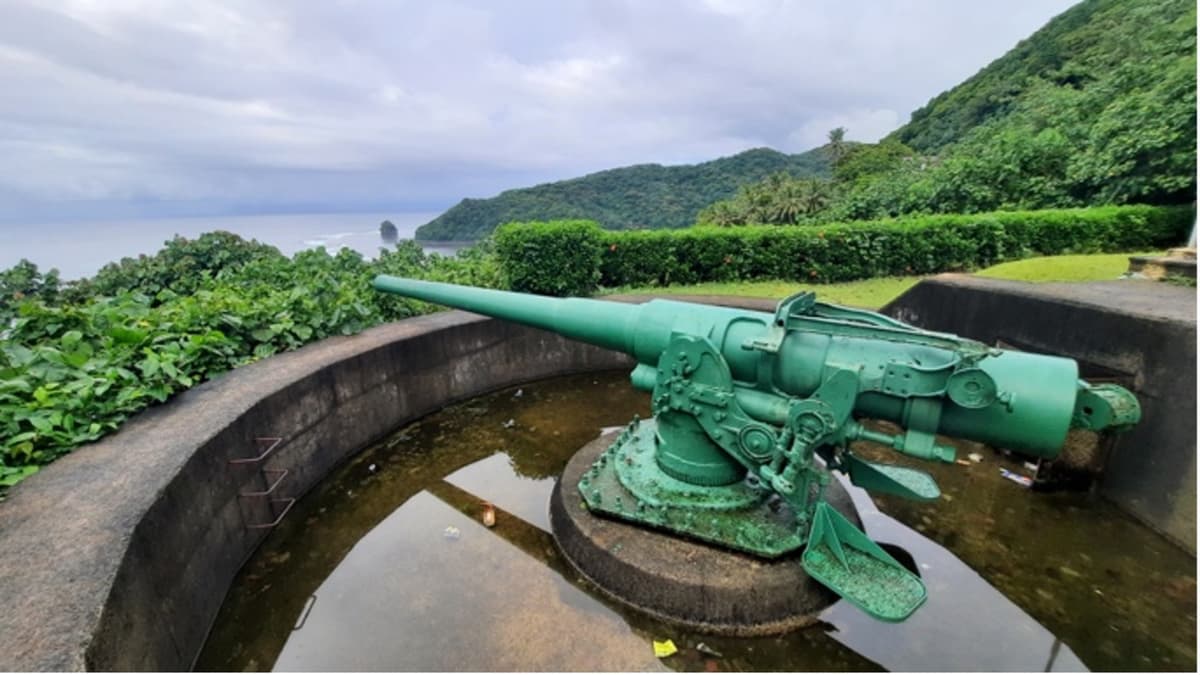
American Samoa Is America’s Strategic Hub in the South Pacific
American Samoa hosts Pago Pago, the United States' sole deep‑water port in the South Pacific, a legacy of a 125‑year‑old naval agreement. The island now faces heightened Chinese activity, including illegal fishing fleets labeled a "maritime militia" and growing narcotics...
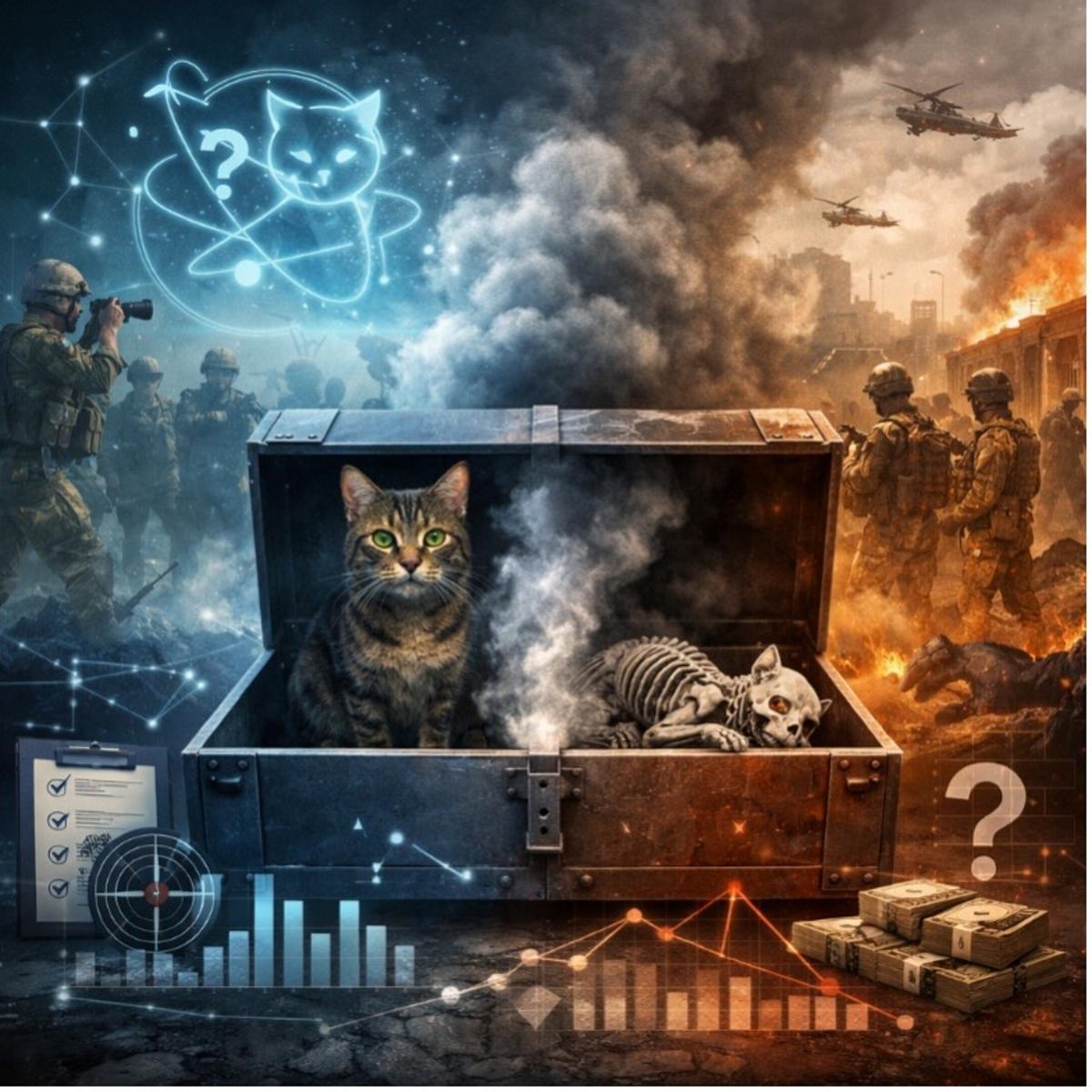
Schrödinger’s Security Partner: The Paradox of Measuring Security Force Assistance
The blog argues that U.S. security force assistance (SFA) suffers from a measurement paradox: quantitative metrics collapse complex partner dynamics into misleading snapshots, prompting advisors to teach to the test and partners to perform for reports. This distortion, likened to...
Emerging Technology and Irregular Warfare: Launching a New Focus Area
The Irregular Warfare Initiative has launched an Emerging Technology and Irregular Warfare Focus Area to confront the rapid infusion of AI, autonomous systems, cyber tools, biotech, and other innovations into gray‑zone conflicts. The effort highlights the widening gap between fast‑moving...

The Role of Foreign Fighters in a Taiwan Resistance Scenario
The article examines how Taiwan might incorporate foreign volunteers into a resistance movement if China occupies the island, drawing lessons from Ukraine’s International Legion. It outlines potential recruitment channels, infiltration routes, and integration challenges within Taiwan’s “porcupine strategy” of asymmetric...
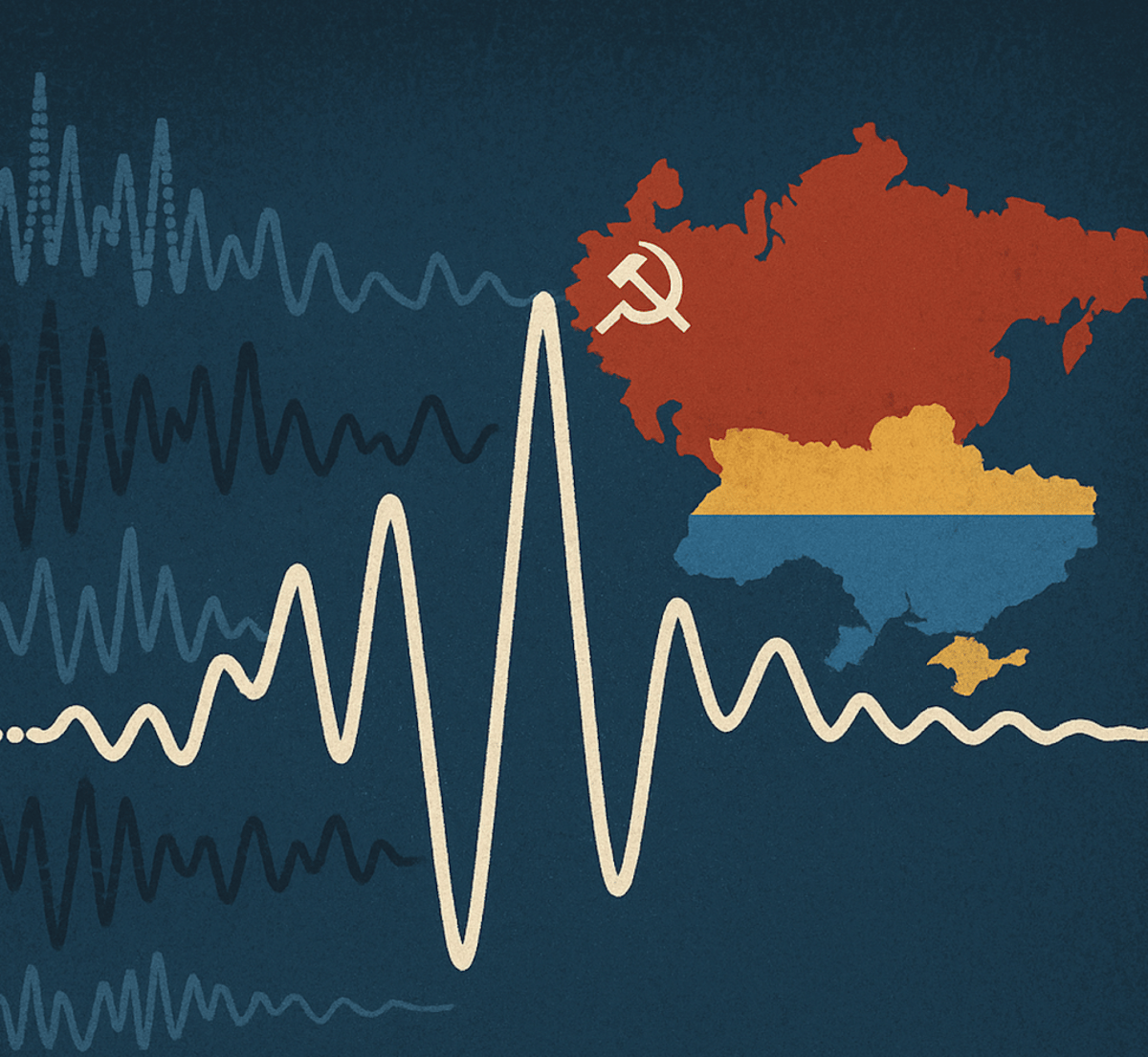
Finding the Signal Within the Noise: What Information Warriors Need to Know About Human Pattern Recognition.
The article examines how human pattern recognition fuels information warfare, using Russia’s 2022 “neo‑Nazi” narrative against Ukraine as a case study. It explains that repeated, culturally resonant frames trigger cognitive shortcuts, allowing false narratives to spread faster than factual rebuttals....

Foreign Fighters in War
Episode 145 of the Irregular Warfare Podcast explores the enduring phenomenon of foreign fighters, tracing their involvement from early United States volunteers and the Spanish Civil War to modern cases like Ukraine’s International Legion and ISIS affiliates. Hosts Dr. David...