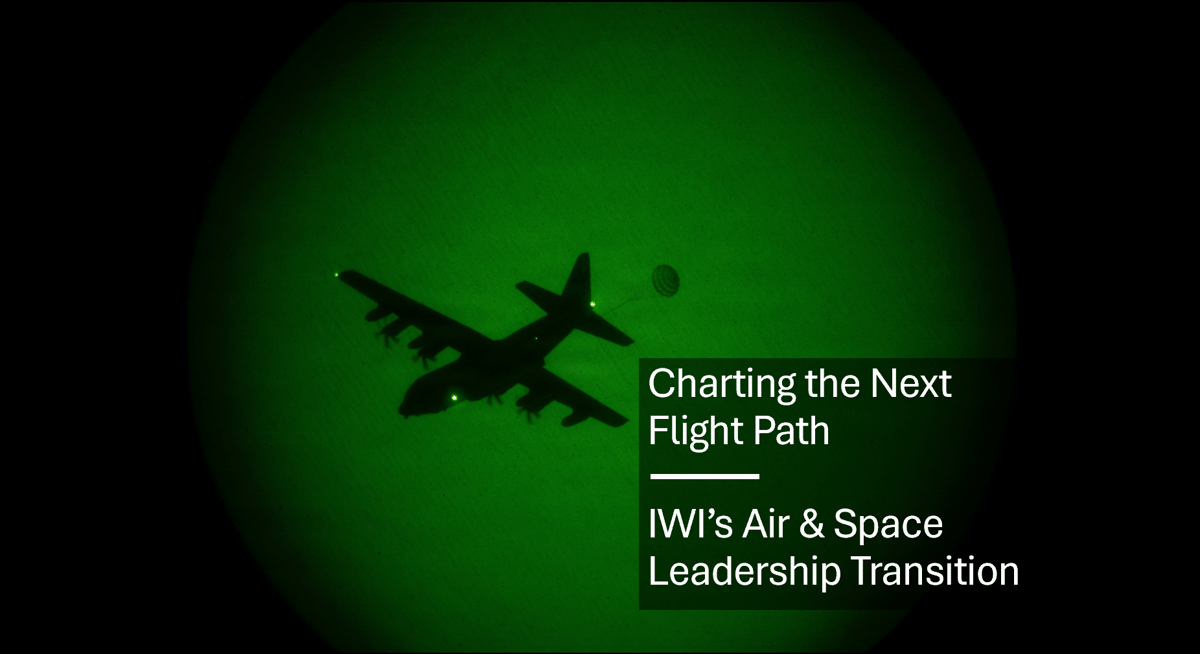
The Enduring Relevance of Irregular War
The Irregular Warfare Foundation announced new leadership for its Air and Space Power Initiative, a forum that examines how air and space capabilities can address irregular, hybrid and gray‑zone conflicts. The blog highlights the historical tension between air power’s decisive‑strike doctrine and the limited strategic impact it has had in wars such as Vietnam, Afghanistan, and recent operations in Ukraine and Iran. It argues that advances in drones, precision munitions and integrated intelligence make air and space assets valuable for low‑cost surveillance and targeting, yet the stability‑instability paradox ensures that small wars will remain a persistent challenge. The piece calls for a whole‑of‑society approach to balance deterrence of peer threats with the realities of irregular warfare.

Good Change Brings New Leadership, Ideas, and Opportunities to IWI’s Air and Space Power Team
After three years of building the Air and Space Power Focus Area, IWI announced that Dr. Michael Kreuzer will assume the role of director, succeeding Drs. Kerry Chávez and Rick Newton. The team has produced a growing body of research—articles,...
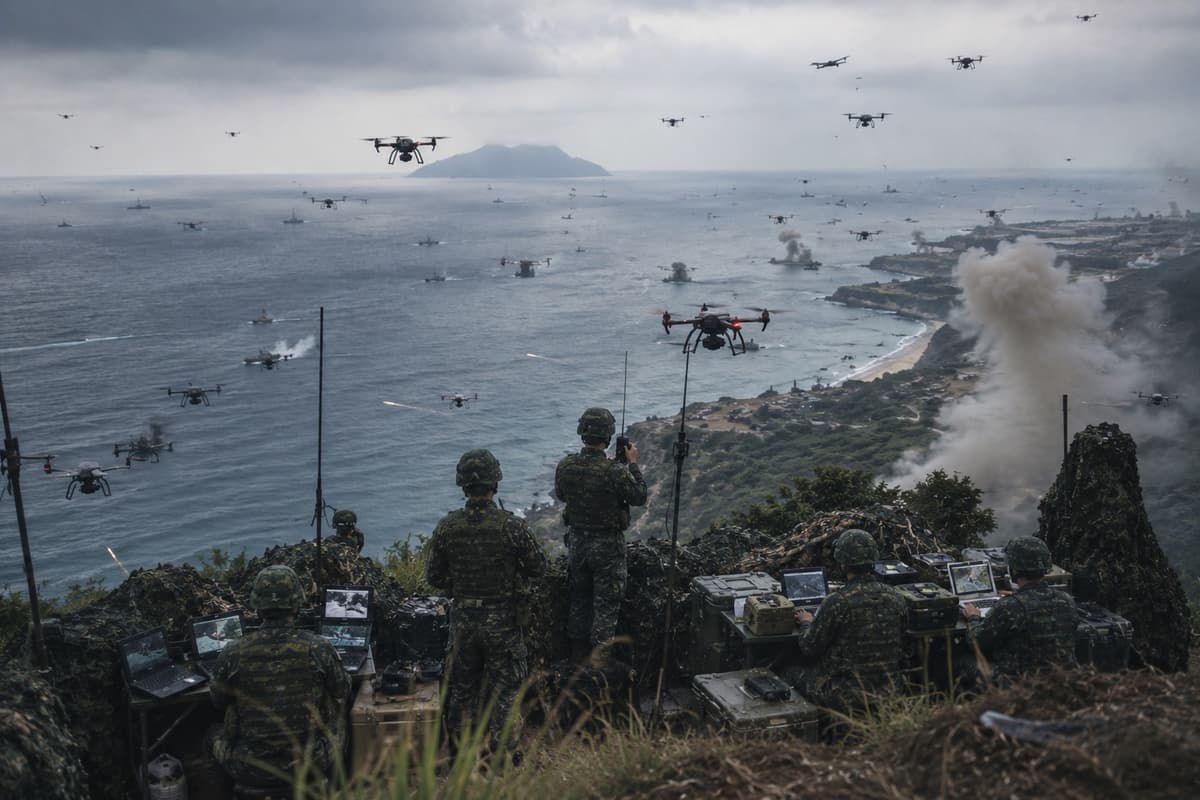
Hellscape Taiwan: Drones, Deterrence, and the Future of Asymmetric Defense
The Irregular Warfare Podcast episode, anchored in the CNAS report “Hellscape for Taiwan,” argues that Taiwan can deter a Chinese amphibious assault by turning the 100‑mile Strait into an unmanned hellscape. Cheap, expendable drones, autonomous maritime systems and mobile air‑defense...

From Coal to Code to Reactors: How Wyoming’s State and Local Decisions Shape Irregular Warfare
Wyoming is shifting from a coal‑driven economy to a hub for data centers and advanced nuclear projects, linking its electricity grid directly to U.S. military computing and deterrence. State and local officials now control the reliability of power that fuels...
The Counterinsurgency Dilemma: Foreign Fighter Influence on Insurgencies in Afghanistan and Somalia
Episode 154 of the Irregular Warfare Podcast examines how a handful of foreign fighters can disproportionately affect insurgencies in Afghanistan and Somalia. Drawing on Professor Tricia Bacon’s book, the discussion argues that local insurgents, not foreign combatants, drive strategic outcomes....

Digital Finance as a Geopolitical Arena: China, Web3, and the Competition Over Africa’s Digital Payments Landscape
Africa’s digital payments sector is rapidly expanding, driven by a surge in crypto adoption and the rollout of Web3‑based fintech solutions such as mobile money and stablecoins. The continent is transitioning to the ISO 20022 messaging standard, which promises richer data...
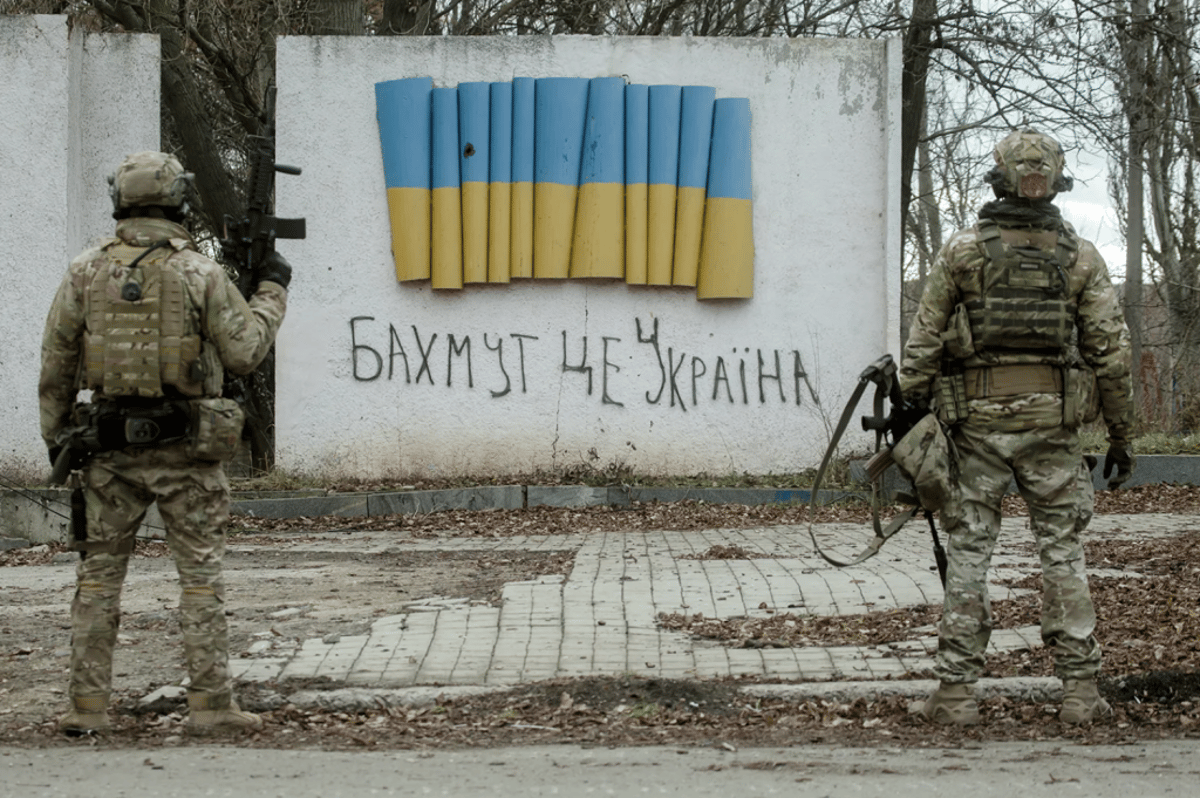
IWI Europe Leads Featured in Euromaidan Press: The “Accidental” Hardening of Ukraine
A Euromaidan Press analysis by Dr. Olga Chiriac and Nicholas Krohley argues that Russia’s two‑decade hybrid war campaign unintentionally turned Ukraine into a hardened, resilient state. The sustained mix of political meddling, economic pressure and sub‑threshold aggression acted as a...
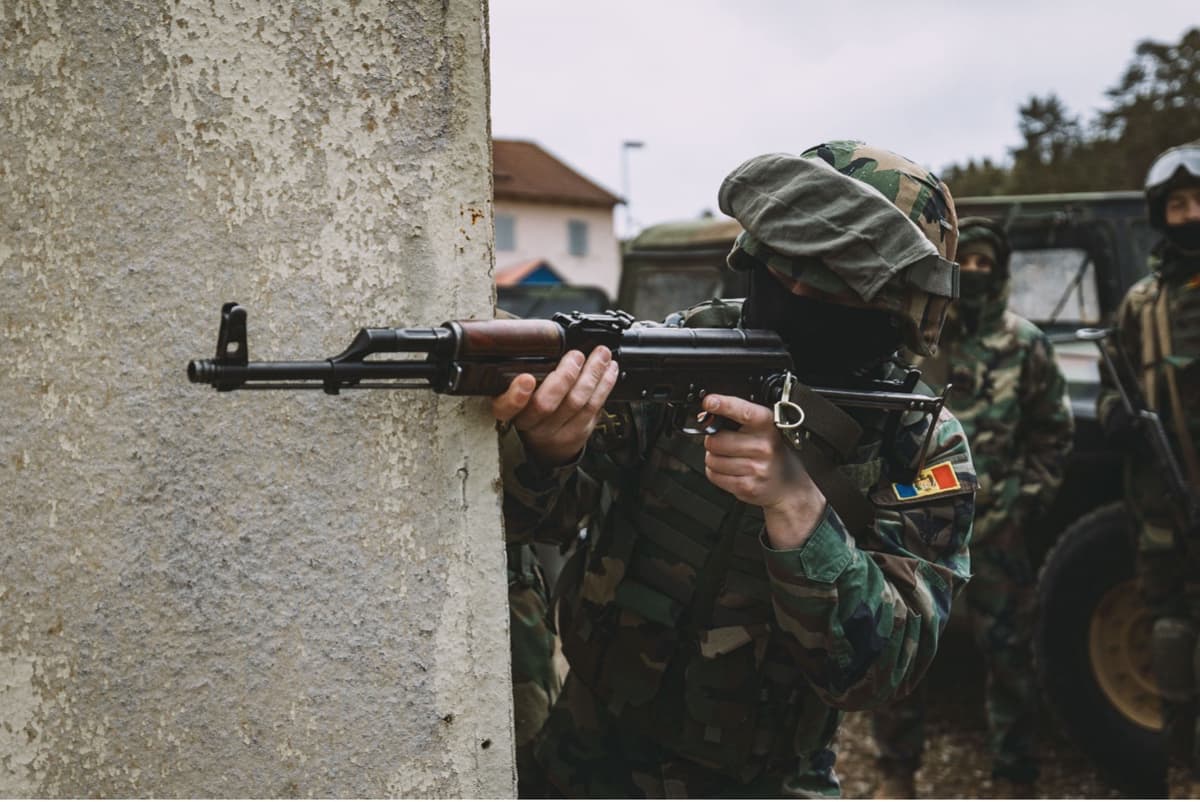
Neutrality as Vulnerability: Russia’s Hybrid Playbook in Moldova
Moldova’s September elections reaffirmed a pro‑EU trajectory, yet Russia’s expanding hybrid and military pressure is rendering the country’s constitutional neutrality increasingly untenable. Russian troops remain entrenched in the Transnistrian breakaway region, directly violating Article 11 that bans foreign forces, while Moscow’s...
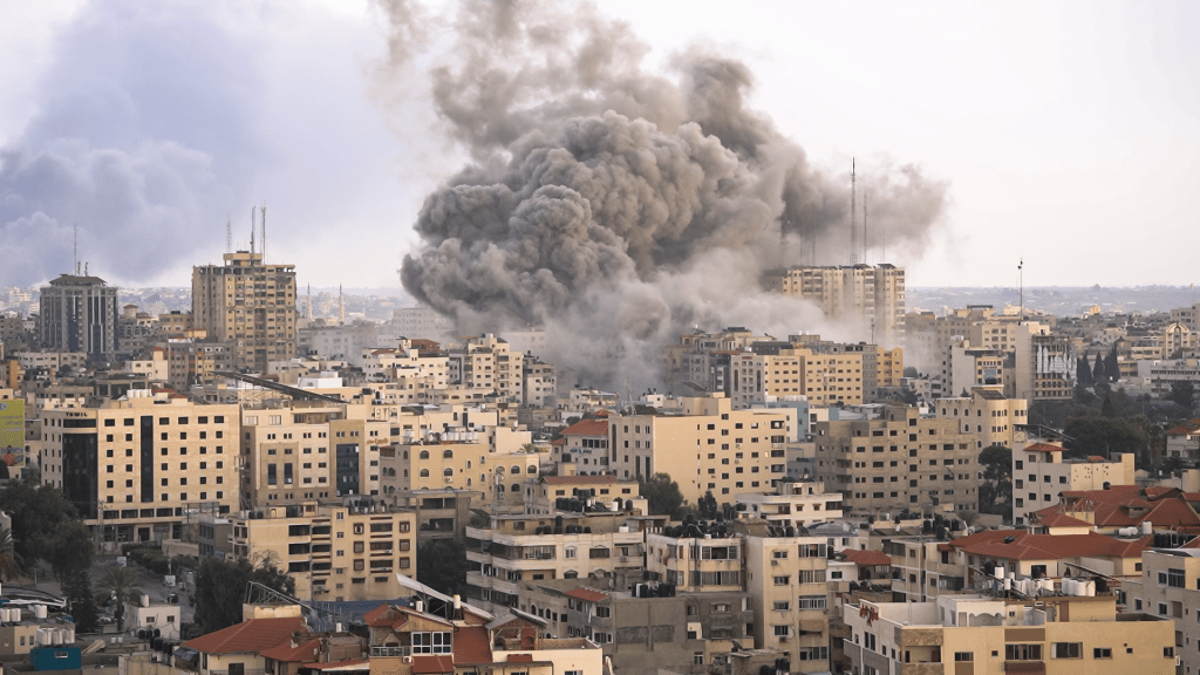
Credibility Vs. Speed: Israel and Hamas in the Gaza Information War
The Gaza war highlighted a clash between Israel’s credibility‑first information strategy and Hamas’s speed‑driven, emotion‑focused approach. Israel relied on detailed briefings, legal framing, and verifiable evidence, while Hamas flooded social platforms with rapid, graphic content to capture attention. The contest...

Q&A with Robert D. Kaplan
In a recent Q&A, veteran geopolitician Robert D. Kaplan warned that Iran’s deteriorating economy and social strain could produce a new regime within five years, even if immediate uprisings are muted. He reaffirmed his "Monsoon Asia" thesis, arguing the Indian...

Irregular Warfare: If We Ever Stop Arguing About IW, Then IW Will Be Dead
The article argues that endless debate over the definition of irregular warfare (IW) is a sign of its vitality, not a weakness, and that a “good enough” definition in DODI 3000.07 enables action while preserving intellectual rigor. It highlights how the...
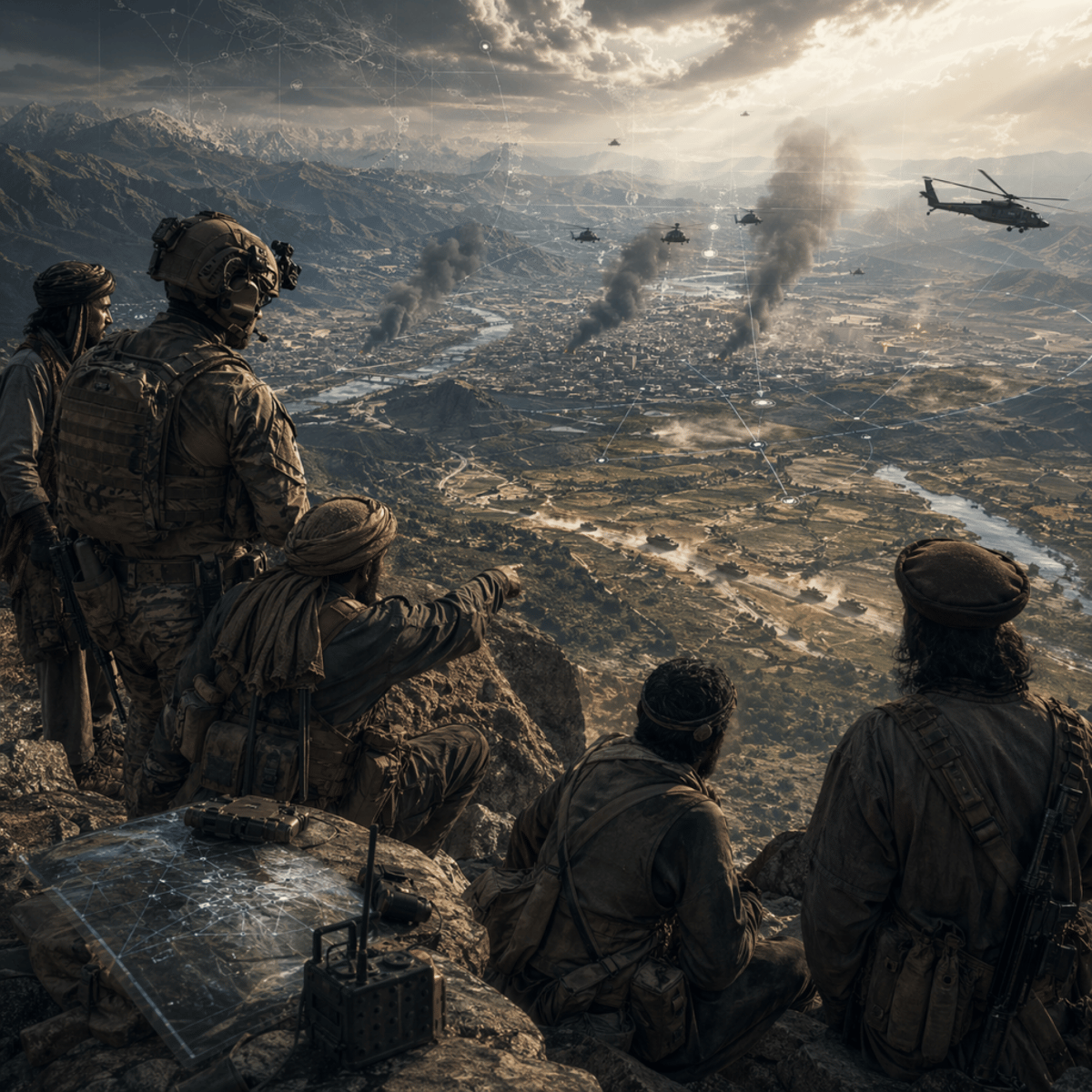
Where the Lion Can’t Reach: Unconventional Warfare in Major War
Episode 153 of the Irregular Warfare Podcast examines how unconventional warfare (UW) can augment and sometimes replace conventional forces in large‑scale conflicts. The discussion highlights the 2003 Iraq invasion, where a handful of U.S. Special Forces partnered with Kurdish Peshmerga...

Chinese Eyes, Iranian Missiles: Intelligence Cooperation in the US/Israel–Iran War 2026
The 2026 US‑Israel‑Iran war saw Iran launch highly accurate missile and drone strikes against Israeli cities and U.S. bases, a capability analysts attribute to Chinese intelligence support. China has provided satellite imagery, BeiDou navigation signals, advanced radar and electronic‑warfare systems...
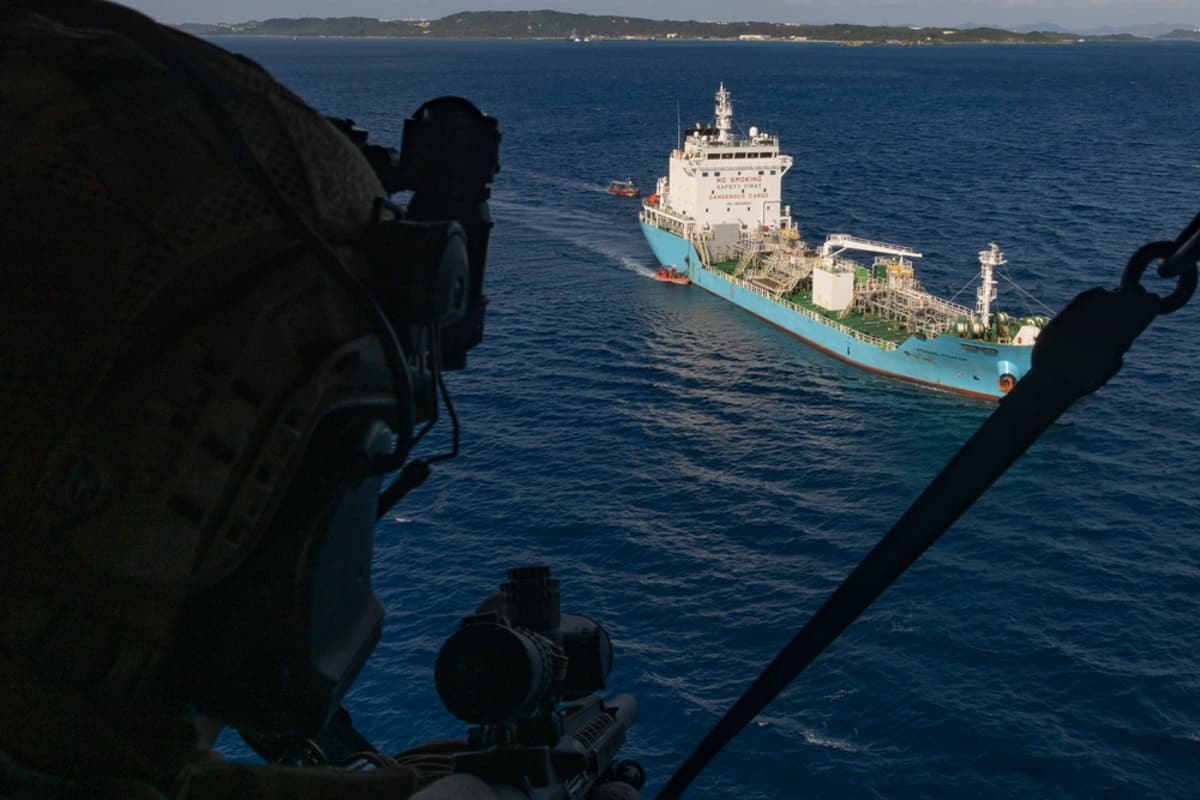
Geoeconomics of Irregular Warfare: Iran and the Global Ripple Effects — Part VII
In the seventh installment of the Irregular Warfare Initiative’s series, experts dissect how Iran is escalating the conflict through economic, legal, and cognitive tools. The panel highlights maritime enforcement actions, asset seizures, and targeted pressure on energy and financial systems,...

What the Hell Is Irregular Warfare Anyway?
Episode 152 of the Irregular Warfare Podcast convenes leading scholars and veterans to dissect why the term “irregular warfare” remains fluid. The panel—King’s College London’s Chris Tripodi, RAND’s Eric Robinson, and retired Lt. Gen. Mike Nagata—examines three competing definitional models: the...