Lawful Masses with Leonard French - Latest News and Information

The Delaware Court of Chancery ruled on a high‑profile dispute between South Korean gaming giant Krafton (formerly Craftton) and Unknown Worlds Entertainment, the studio behind Subnautica. The case centered on a $500 million acquisition that included a $250 million earnout tied to revenue through the end of 2025, and a contractual guarantee that the three founding executives would retain operational control throughout the earnout period. When Subnautica 2’s launch threatened to trigger the full earnout, Krafton’s leadership grew alarmed and, after consulting an internal AI project dubbed “ChatGPT Project X,” devised a strategy to terminate the founders on the grounds of “intentional dishonesty.” The company also seized the studio’s Steam publishing rights and issued a public statement to undermine the founders. Internal documents later revealed that the founders had already reduced their roles, disclosed salary cuts, and downloaded large volumes of data to protect it—actions the court found honest, not deceptive. Vice Chancellor Will Morgan’s opinion emphasized that “intentional dishonesty” requires a conscious objective to deceive, a standard the plaintiffs failed to meet. The court rejected Krafton’s post‑termination justifications, applying Delaware’s “mend‑the‑hold” and “after‑acquired‑evidence” doctrines to bar the buyer from swapping causes after litigation began. As a remedy, the court ordered specific performance: reinstating CEO Ted Gil, restoring Steam access, and extending the earnout testing period by 258 days to ensure the sellers could still benefit. The decision underscores the critical importance of narrowly drafted earnout protections and cause definitions in M&A agreements. Buyers cannot rely on operational control to sidestep large contingent payments, and courts will scrutinize any post‑hoc justifications. The case also serves as a cautionary tale about the misuse of AI tools in legal strategy, highlighting that sophisticated contractual safeguards, not clever tech, determine outcomes.

The video explains that tariff refunds are paid to the importer of record, not the consumer who actually paid the higher price at the checkout. It argues that the legal framework treats the importer as the sole party entitled to...
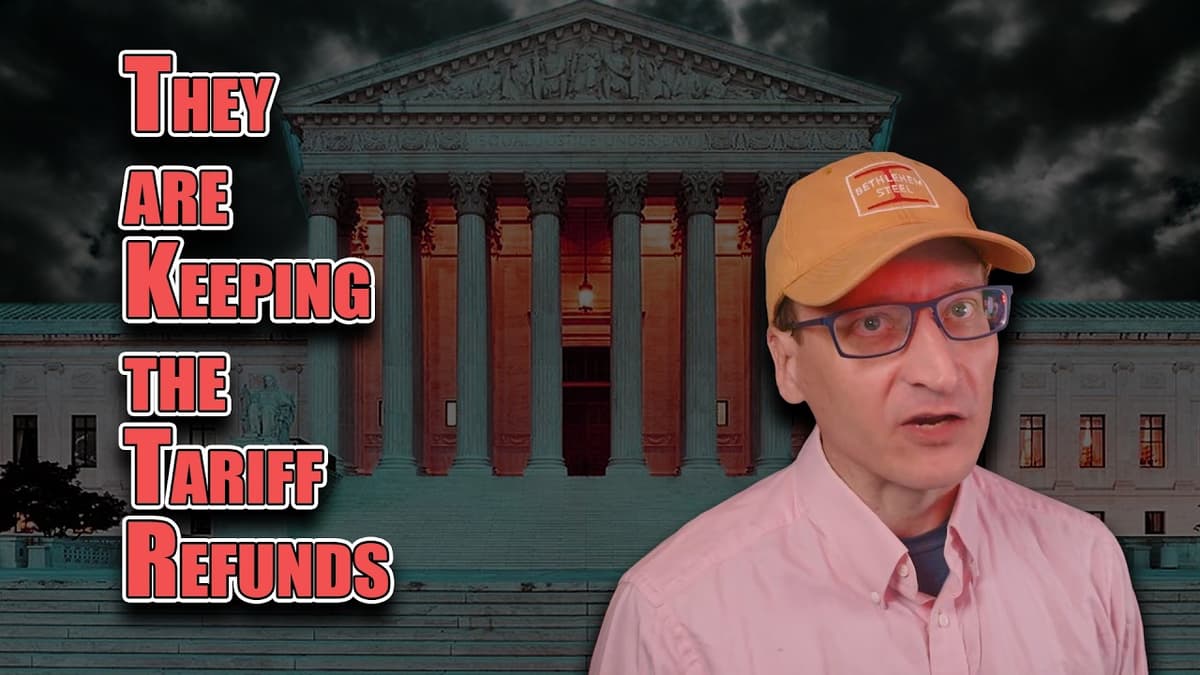
The video dissects the fallout from the U.S. Supreme Court’s February 20, 2026 ruling in Learning Resources v. Trump, which struck down the emergency tariffs imposed under the International Emergency Economic Powers Act. The Court of International Trade subsequently ordered Customs and...

The video recounts how an indie title, Alumia, was abruptly removed from Steam after a Microsoft‑powered AI mistakenly identified a screenshot as infringing on Minecraft, prompting a blanket DMCA takedown just before Steam Next Fest. The developer’s legal counsel faced...

A Nevada jury delivered a $10 million verdict in Scoffield v. Gillard, finding TikTok self‑styled psychic Ashley Gillard liable for defamation after a four‑day trial. The jury concluded, by a preponderance of the evidence, that Gillard’s false statements that plaintiff Rebecca Scoffield—a...

The Supreme Court issued a landmark ruling that invalidates the tariffs imposed by former President Donald Trump under the International Emergency Economic Powers Act (IEPA). The 170‑page opinion, released after extensive briefing, held that the executive branch lacks constitutional authority...

The video examines a recent DMCA takedown of Alumeriia, an indie Voxil‑style game, after Microsoft’s automated content‑identification system flagged a single gallery screenshot as infringing on Minecraft assets. The notice, apparently generated without any human review, led Steam to remove...

A Northern District of California judge has refused to toss a DMCA anti‑circumvention claim brought by Denver Metro Audits creator Mr. Cordova against the Frauditor Troll Channel, opening the door to liability for fair‑use videos that are downloaded by bypassing...

Microsoft’s copyright team sent a DMCA takedown notice to the indie studio behind Allumeria, claiming the game used assets from Minecraft. The notice triggered Steam’s removal of the title just weeks before the developer’s planned showcase at Steam Next Fest...

Discord has announced that it will soon require users to provide government‑issued identification or a facial scan to access any content deemed unsuitable for users under 13. The move, framed as an age‑verification measure, has sparked immediate backlash from long‑time...


