Lost LeBlanc - Latest News and Information
Technology Pulse
EMAIL DIGESTS
Daily
Every morning
Weekly
Tuesday recap
EMAIL DIGESTS
Daily
Every morning
Weekly
Tuesday recap
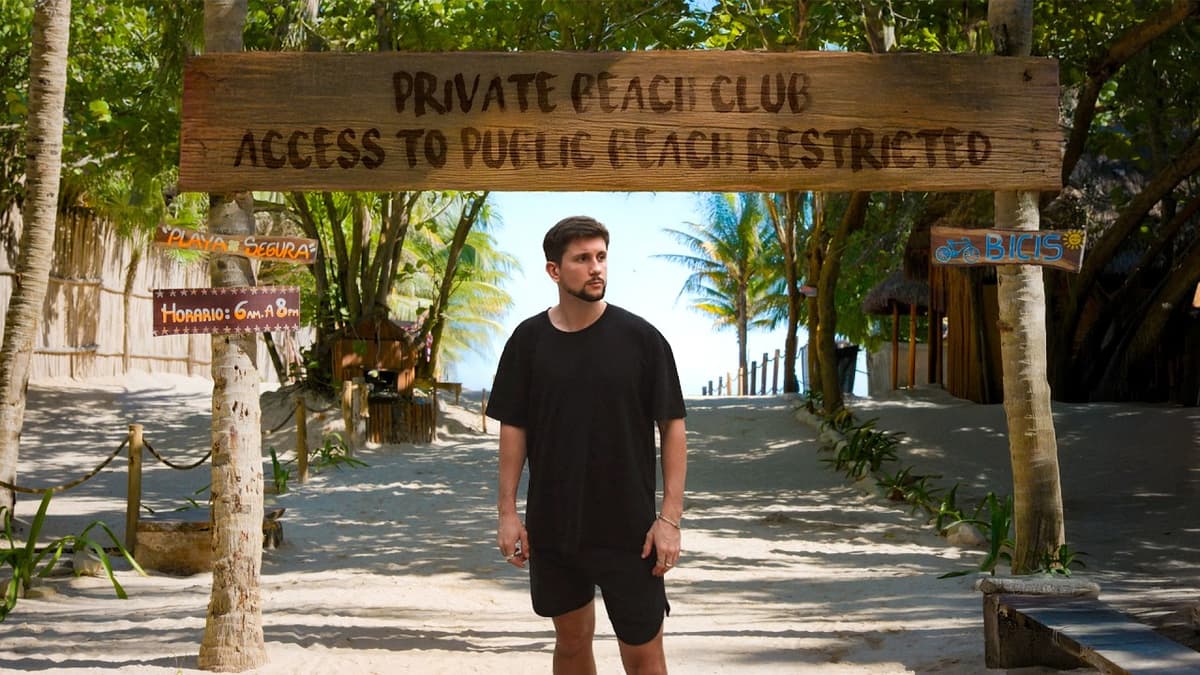
The video chronicles a seasoned traveler’s return to Tulum in early 2026, probing whether the once‑untouched paradise has succumbed to over‑development, rising costs, and logistical headaches. After eight years of frequent visits, the host documents the new airport’s limited impact, a three‑hour car‑rental ordeal in Cancun, and an hour‑and‑a‑half drive to a town that feels both familiar and altered. Key observations include a sudden housing surplus that has driven peak‑season nightly rates down to $100, a stark contrast to previous scarcity. Prices for everyday items—tacos at $40 and groceries at premium stores—have surged, while public beach access now mandates archaeological‑site tickets or reservations, eroding the spontaneous freedom tourists once enjoyed. The digital‑nomad scene, once vibrant in co‑working hubs like Digital Jungle, appears markedly quieter, suggesting a shift in the community’s composition. The narrator highlights local voices: a resident who’s lived in Tulum for seven years still feels the “fountain of youth” vibe, yet acknowledges the influx of families and the slowdown of the party atmosphere. Real‑world anecdotes—being upsold from $30 to $90 a day on a rental car, paying $4 for a coffee, and navigating a new arterial road to avoid beach‑day traffic jams—illustrate the friction points affecting both visitors and long‑term renters. For investors, developers, and remote workers, these trends signal a market at a crossroads: oversupply may depress short‑term returns, but the continued demand for eco‑focused, community‑centric living could fuel a second wave of growth if infrastructure catches up. Travelers must weigh higher costs and reduced spontaneity against Tulum’s enduring natural allure.

The video positions Jordan as the ultimate three‑day Middle Eastern adventure, stitching together ancient history, dramatic desert landscapes, and vibrant culinary traditions. Starting in Amman, the hosts rent a car and quickly venture north to Petra, the famed rock‑cut city...


