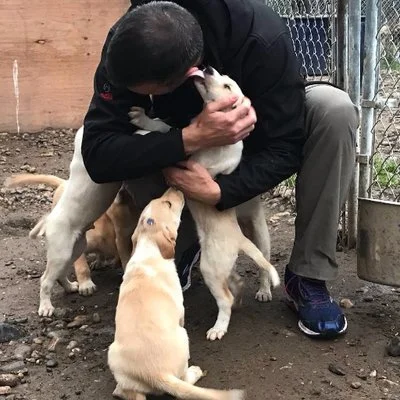

Aging Biology, Not Disease, Drives Dog Healthspan
I'm excited to share the very first episode of Longevity for Dogs, the new podcast from the Dog Aging Institute @dogaginginst . https://t.co/4L5VX1dpQ4 For our inaugural episode, I sat down with my longtime collaborators and friends, Kate Creevy and @DPromislow , to tell the story of how the @DogAgingProject began, why we believe aging biology can transform veterinary medicine, and what we've learned from studying more than 50,000 companion dogs. We discuss: • Why aging itself is the biggest risk factor for most chronic diseases in dogs • The scientific rationale for targeting the biology of aging rather than individual diseases • The origins of the Dog Aging Project and the challenges of launching a nationwide longitudinal study • The development of the TRIAD rapamycin clinical trial • What we've learned from following tens of thousands of dogs over time • Why healthspan—not just lifespan—is the goal • The vision behind the Dog Aging Institute and where the field is headed next This work has always been grounded in open science, collaboration, and a shared commitment to improving the lives of companion dogs and the people who love them. If you're interested in aging biology, veterinary medicine, or simply want your dog to enjoy more healthy years, I hope you'll check it out. And if you're already part of the Dog Aging Project community—thank you. None of this would be possible without you. 🐕❤️
Rapamycin Reverses Brain Aging and Restores Cognition
I’m excited to share a new episode of Longevity Science featuring Veronica Galvan, one of the pioneers in exploring how mTOR signaling and rapamycin influence brain aging and Alzheimer's disease. In this conversation, Veronica takes us through her journey from HIV...
Antibody Mix‑up Doesn’t Debunk Senescence, but Highlights Rigor Gaps
A recent investigation by @addictedtoigno1 uncovered more than 400 published studies that appear to have used the wrong antibody when measuring p16Ink4a, one of the most commonly used biomarkers in cancer and cellular senescence research. The story has generated understandable...
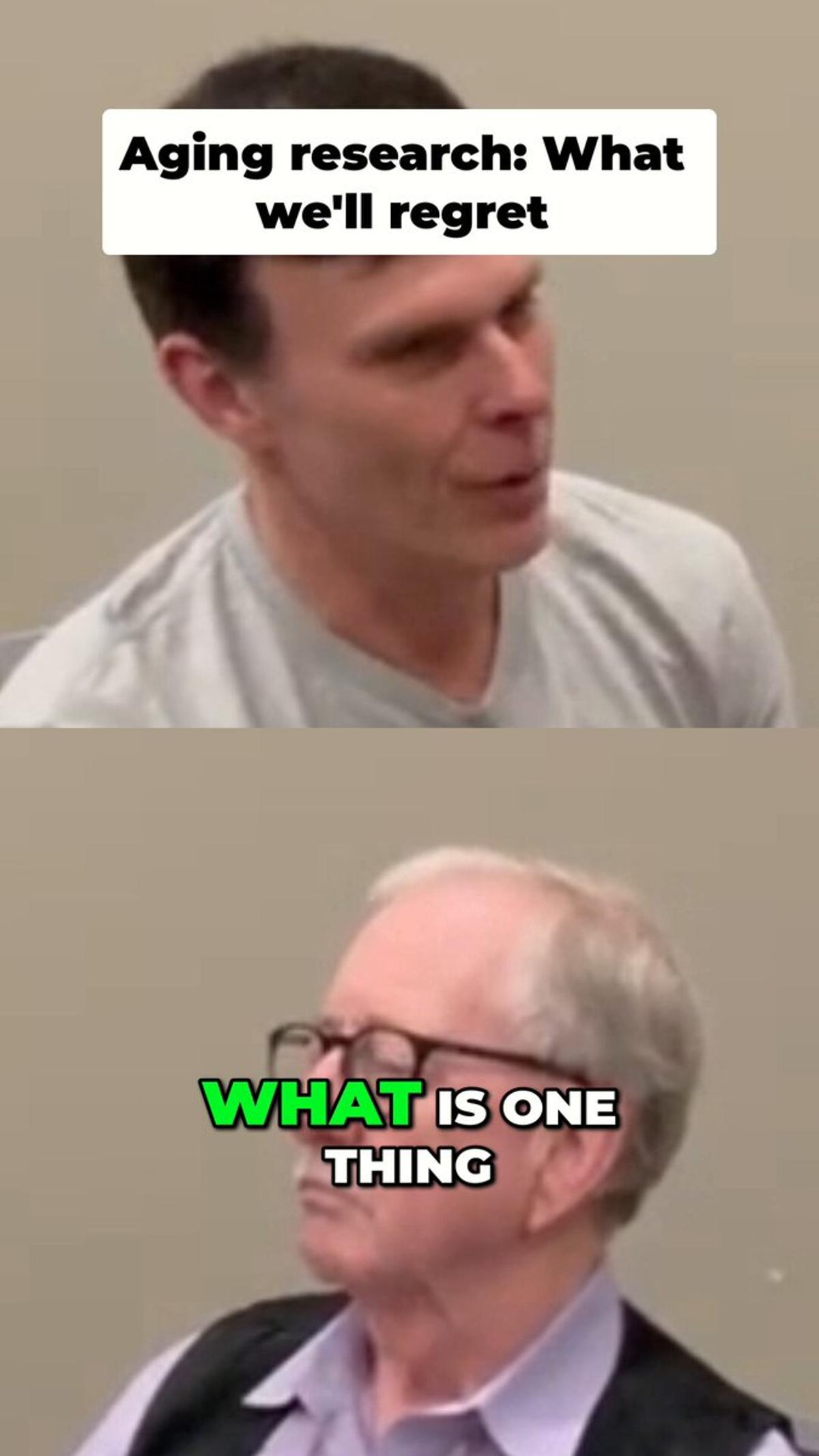
Steve Austad Forecasts Field’s Future Pride and Regret
I asked Steve Austad what one thing the field will be proud of 10 years from now, and one thing we may be embarrassed about. Full interview here: https://t.co/npZ3cbCw66 https://t.co/8jaZ3wbtZj
Steve Austad Reveals Unexpected Drug Choice for TAME
I asked Steve Austad, if he were designing the TAME trial today, what drug would he pick? His answer may surprise you. Full interview here: https://t.co/npZ3cbD3VE https://t.co/Me6eH2QCZ1

Aging Breakthroughs Outpace Expectations, Human Translation Lags
New Episode of Longevity Science with Steve Austad One of the most important lessons I've learned in aging research is that progress rarely follows a straight line. Twenty-five years ago, Steven Austad made a prediction that many people considered outrageous: that someone...
Therapeutic Plasma Exchange Shows Promise for Reducing Biological Age
Is therapeutic plasma exchange (TPE) a legitimate longevity intervention? The rationale makes sense. The mouse studies are intriguing. And we’re just starting to get human data to fill out the picture. In my latest episode of Longevity Science, I sat down with...
Therapeutic Plasma Exchange Cuts High Blood Microplastic Levels
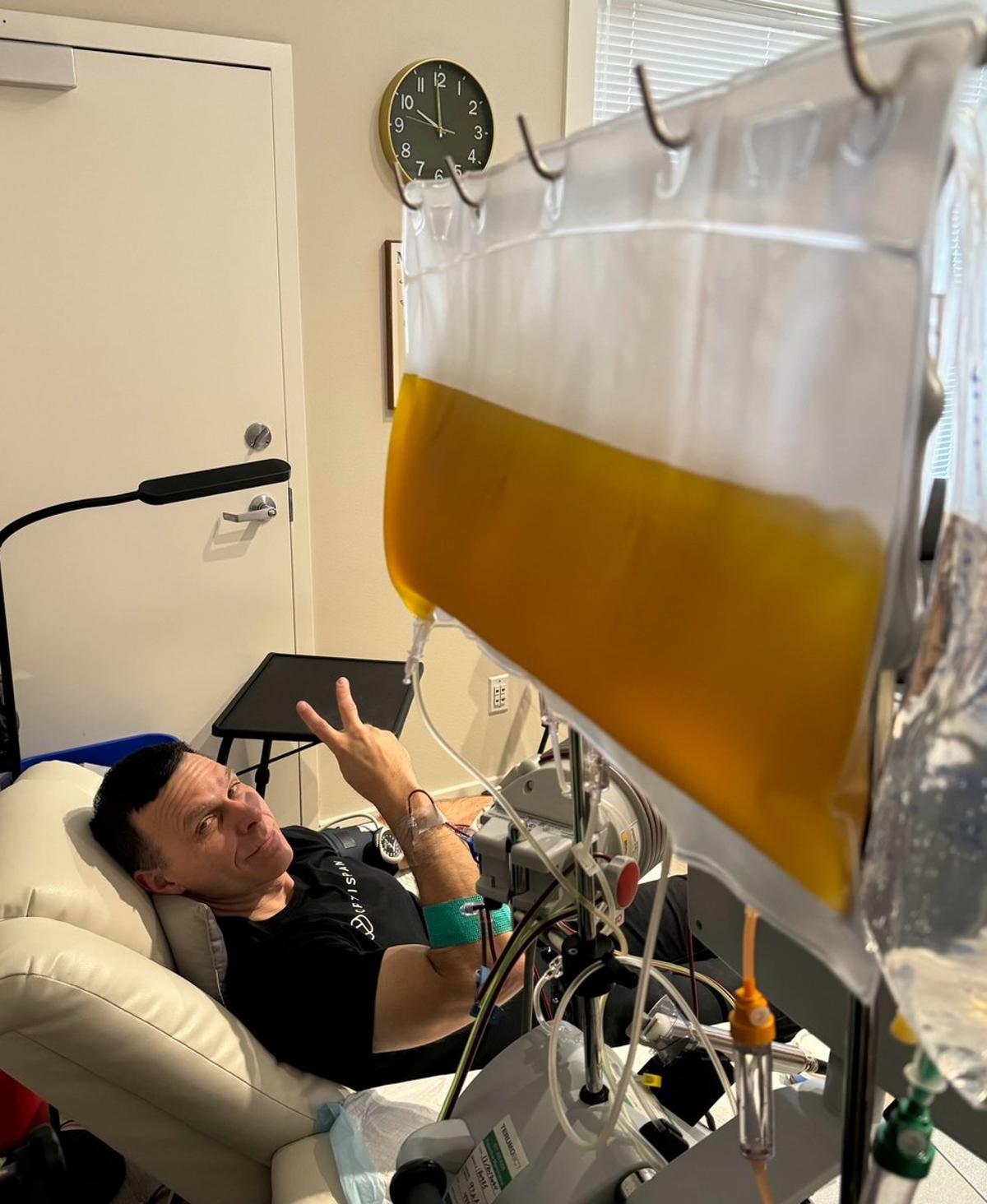
New research at the intersection of environmental medicine and therapeutic apheresis: https://t.co/i3zVSyYePU A paper just published in the Journal of Clinical Apheresis (Weinstein et al., 2026) reports the first deliberate attempt to remove circulating microplastics from human blood using therapeutic plasma exchange...
Unproven “Mitochondrial Activator” Risks Echo Deadly DNP
Some functional medicine doctors are prescribing a drug with essentially zero human safety data. The drug is called SLU-PP-332. It’s being marketed in some circles as a “mitochondrial activator” or exercise mimetic. Here’s the problem: as far as I can tell, there...
Crowdfunded Rapamycin‑Exercise Trial Shows Promising Aging Data
Five years ago, @BradStanfieldMD reached out with an idea: a crowdfunded clinical trial testing rapamycin combined with exercise in older adults. The results are now published — and Brad and I just sat down for a full 42-minute breakdown...
Promising Longevity Molecule Stalled by Misaligned Incentives
The Longevity Drug You’ve Never Heard Of This is one of those stories that captures both the promise—and the frustration—of longevity science. In this preview episode, Dr. George Sutphin (@senmorteco ), Associate Professor of Molecular and Cellular Biology at the @uarizona @UAZCancer , walks...
First Large Rapamycin Trial Aims to Boost Human Healthspan
Finally—this is the kind of study the field has been waiting for. A 720-person randomized clinical trial testing low-dose rapamycin in adults 65+ is about to get underway at @UAZPharmacy , with the goal of answering a simple but critical question:...
Explore Rapamycin's Role in Aging at UArizona
If you’re in Tucson next week, I’ll be giving a talk at the University of Arizona College of Pharmacy (@UAZPharmacy) on the science behind rapamycin and aging. We’ll cover what we know, what we don’t, and where the field is...

Regenerative Medicine Needs Data Over Hype
I recently had the opportunity to sit down with Scott Carney for a wide-ranging conversation on regenerative medicine, stem cells, peptides, and the growing gap between scientific promise and clinical reality. In the conversation, we dig into: – Why stem cell therapies...

Not Smoking Wins; Proactive Healthcare Dominates Longevity Bracket
The Longevity March Madness Final Four is Set: Here’s a wrap-up of how the four division finals played out. Lifestyle: A heavyweight classic It doesn’t get bigger than this. Top-seeded Not Smoking held off a furious push from Strength Training, surviving 53–47 in...