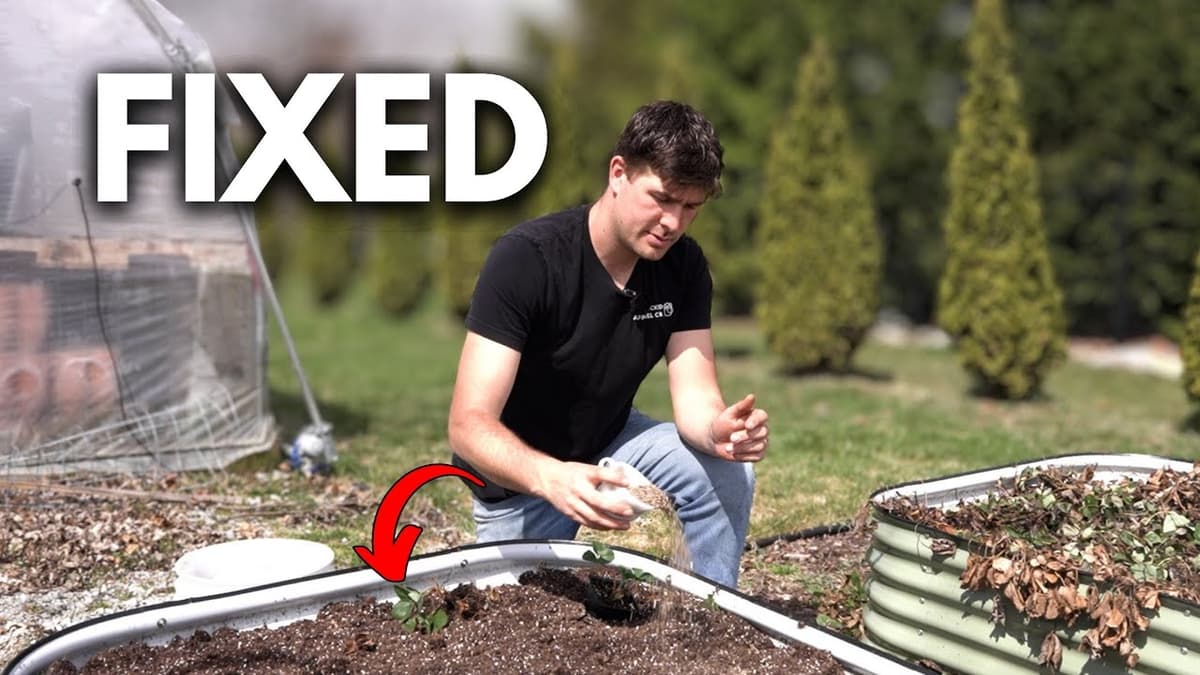
How I Amend Perennials Without Killing Them
In this tutorial, Luke walks viewers through amending perennial beds—starting with the most finicky, strawberries—while emphasizing that soil work must respect each plant’s growth habit. He advises a three‑year soil strategy for strawberries: start with high‑quality mix, avoid covering the one‑inch crown, and apply an all‑purpose fertilizer (e.g., Trifecta Plus) in spring and fall. In year three, runners are lifted, potted, and replanted to refresh the bed, eliminating the need for heavy top‑dressing. Rhubarb and other perennials require far less intervention; a thin layer of compost (1‑2 inches) added annually is sufficient, as demonstrated by a 50‑year‑old heirloom rhubarb that thrived on minimal top‑dress. Bulb crops such as daffodils, tulips, and chives tolerate 3‑5 inches of compost when dormant, but smothering during active growth can kill them. By matching amendment techniques to plant type and timing, gardeners can sustain vigor, improve yields, and avoid costly plant loss, making perennial maintenance both simple and economical.
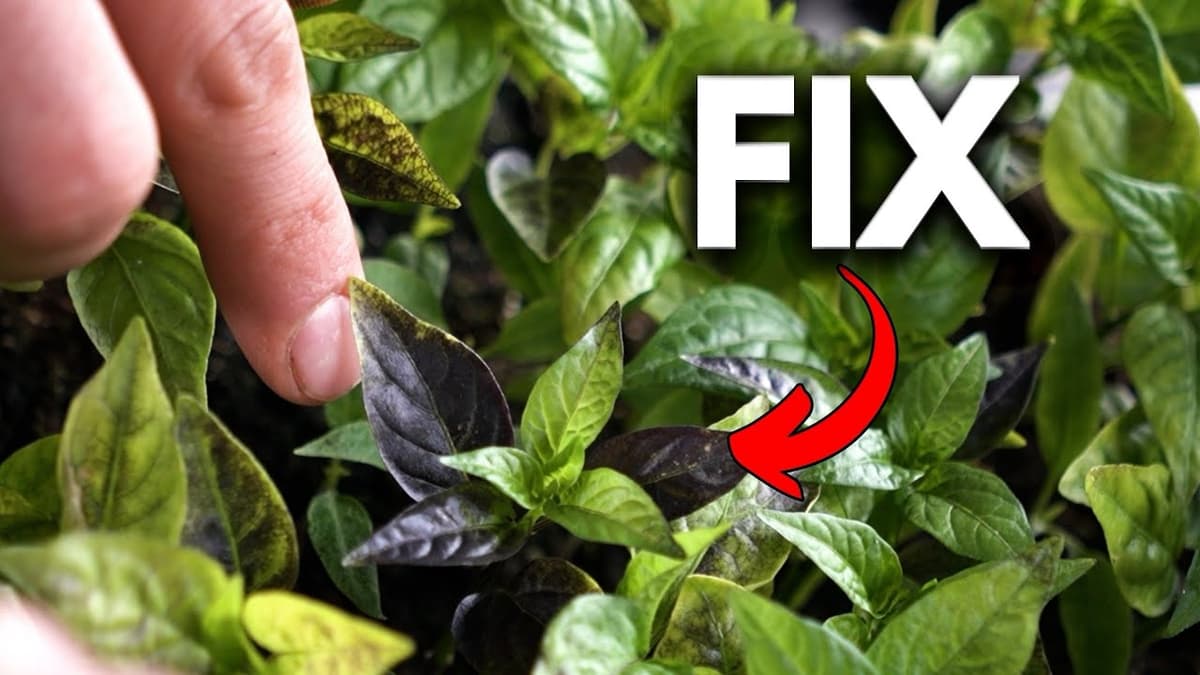
DON‘T PANIC! Why Your Seedlings Are Turning Purple.
The video tackles a common garden mystery—why seedlings, especially tomatoes and peppers, develop purple foliage. It identifies phosphorus deficiency as the primary cause and explains that phosphorus is a mobile nutrient, moving from older leaves to support new growth. Key insights...
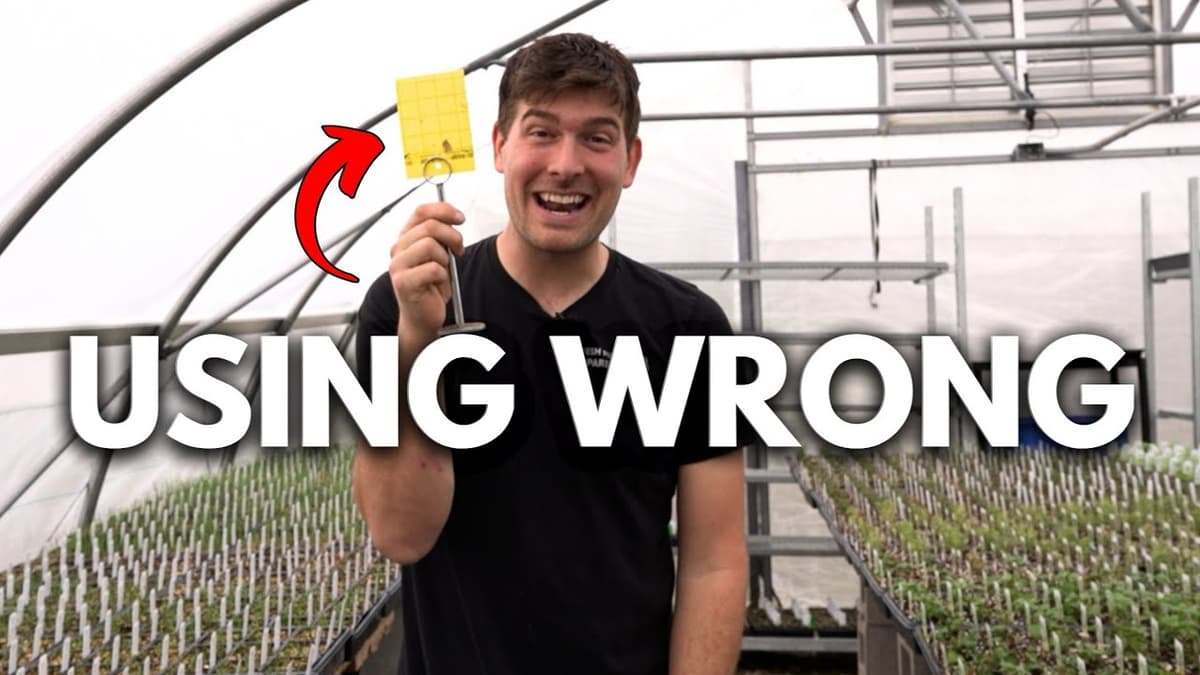
You Are Using These 3 Seed Starting Tools WRONG
The video highlights three seed‑starting tools—heat mats, humidity domes, and sticky indicator cards—that many gardeners misuse, often to the detriment of their seedlings. Luke explains that each tool has a narrow, purpose‑driven application and that treating them as universal solutions...
Is The Risk Of Planting EARLY Worth The Reward?
The video tackles the classic gardener’s dilemma: whether planting warm‑weather crops like tomatoes in mid‑April is worth the risk. The host frames the decision as a risk‑reward analysis, emphasizing that early transplanting can shave days off a crop’s growth cycle...
Start These Long Season Crops NOW Before It’s Too Late!
The video by Luke focuses on the urgency of sowing long‑season vegetables now, especially for growers in short‑season regions like Michigan, because many of these crops need an entire growing season to reach maturity. He walks through a list—Brussels sprouts (≈115‑120...

How to Prune Peaches To GUARANTEE Bigger Better Fruit
The video walks viewers through a step‑by‑step method for pruning peach trees, emphasizing that an open‑center, goblet‑shaped canopy is the only viable form for this fruit. The host explains why peaches differ from apples, noting that a modified central leader...

The First Harvest of The Year!
The video walks viewers through the first maple‑sap harvest of the season, showing how home gardeners can tap their own trees to produce fresh maple syrup as spring approaches. The host explains that sap flows when daytime temperatures rise above freezing...