
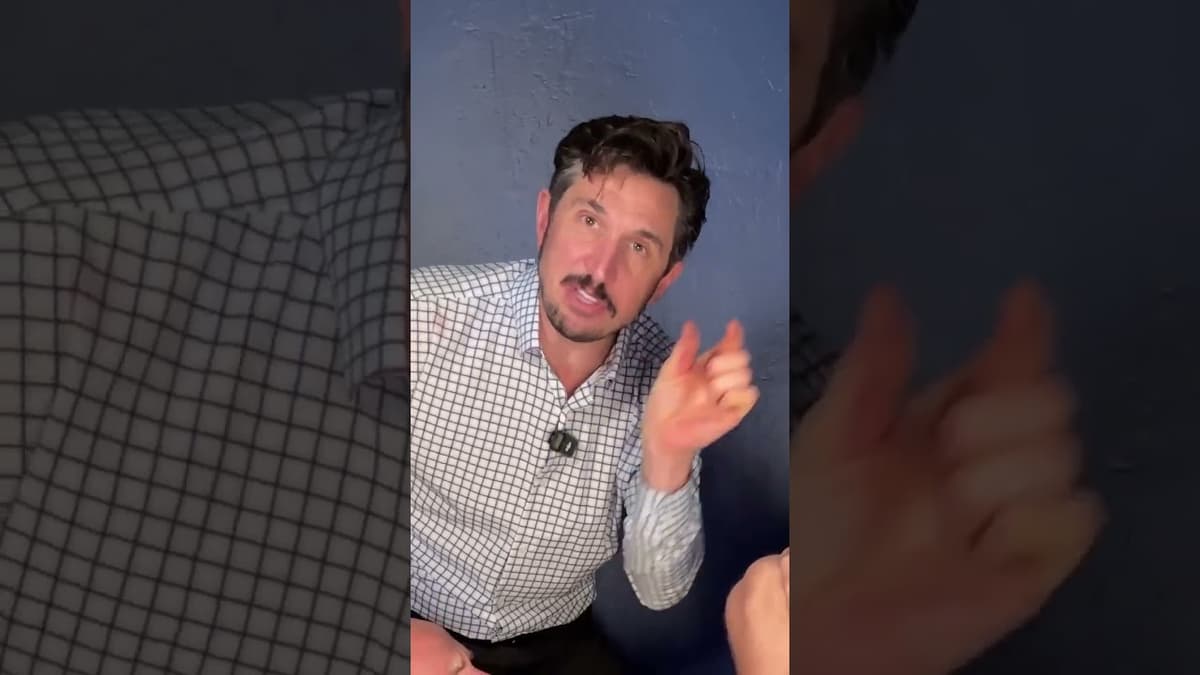
QL Pain Test
The video walks viewers through a do‑it‑yourself assessment for quadratus lumborum (QL) pain, beginning with a hip‑tilt and tailbone‑lift sequence that isolates the deep ache often mistaken for general lower‑back soreness. By shifting the hips, locking the knees, and raising the tailbone, the presenter demonstrates how to reproduce the characteristic “naughty” pain that signals a tight QL. Key steps include positioning a small ball—larger than a golf ball but smaller than a lacrosse ball—directly on the side of the spine, then leaning back, pulling the painful knee toward the chest, and rocking the ball for 20‑30 seconds while breathing. After the self‑massage, the routine continues with hip lifts, lateral hip tilts, and a final tailbone arch to restore mobility and reduce restriction. The presenter emphasizes that if the test reproduces the deep ache, the QL is the culprit, and the QL Claw ball is the recommended tool. He urges viewers to adjust the ball until they feel a targeted pressure, then perform the movement sequence, noting the phrase “If that helped you out, comment QL for a free guide.” By teaching a simple, equipment‑light protocol, the video empowers individuals to self‑diagnose and alleviate QL‑related back pain, potentially decreasing reliance on costly physical‑therapy visits and improving daily functional performance.
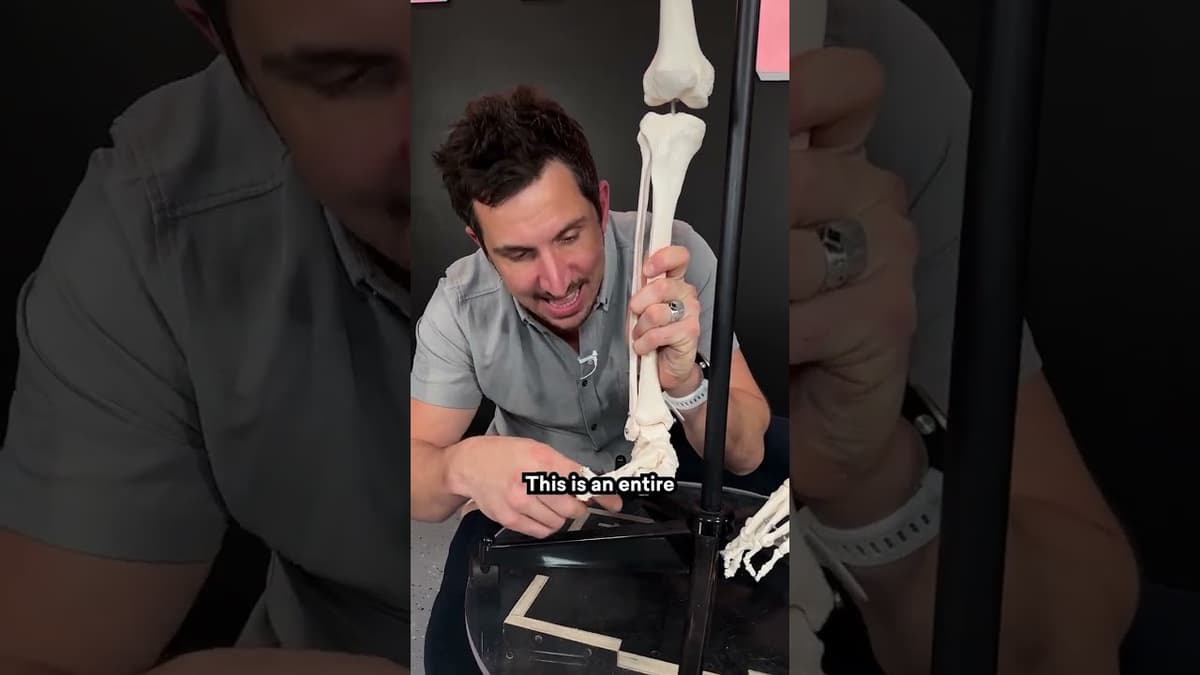
Valgus Collapse Of The Knee
The video explains “VGUS collapse of the knee,” a biomechanical chain reaction that starts with lateral compression of the knee, stretches the medial collateral ligament (MCL) and forces the thigh to rotate inward. This internal rotation drives the tibia to turn...
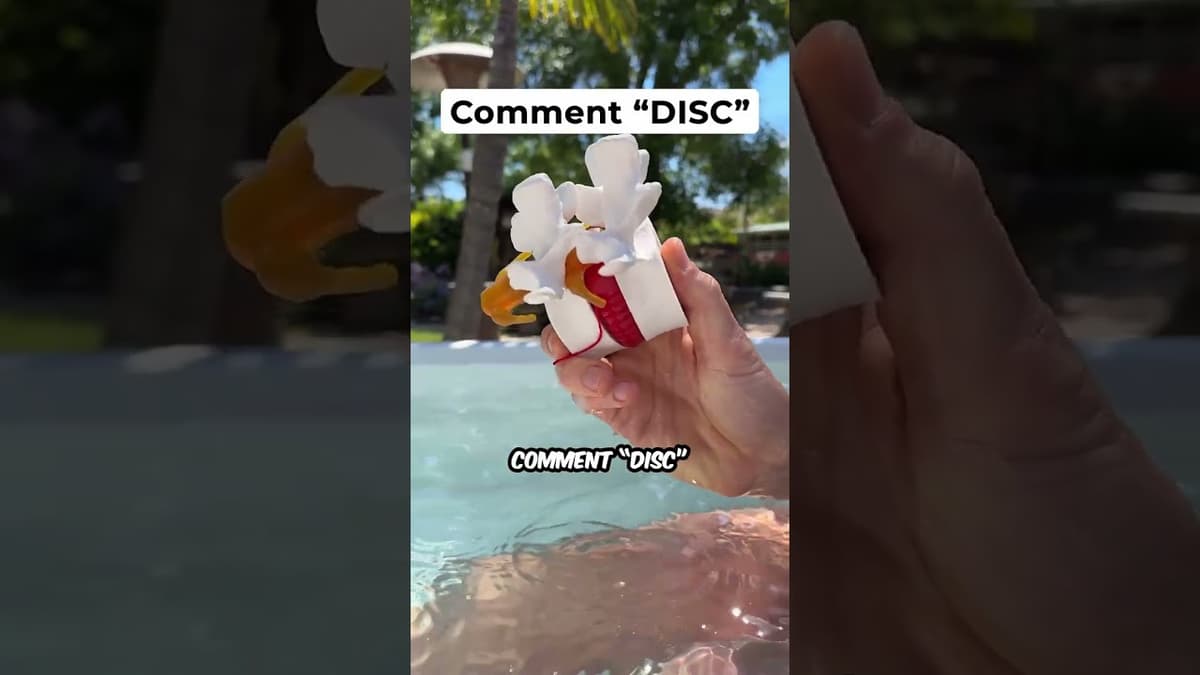
Disk Bulge & Sciatica Massage
The video demonstrates a targeted low‑back massage protocol for individuals suffering from disc bulges, herniations, or sciatica. It emphasizes repositioning the pelvis into a posterior tilt—often achieved by placing bolsters under the hips—to open the lumbar space, followed by a...

Farmers Carrry For Scoliosis
The video demonstrates a simple strength‑training technique— the farmer’s carry— as a corrective tool for individuals with scoliosis. By loading the side opposite the spinal curve, the exercise aims to pull the spine toward a more neutral alignment. The presenter explains...

CrossFit Is a Great Sport, but It Is Designed to Push Your Limits.
The video frames CrossFit as a high‑intensity sport deliberately built to push athletes beyond their comfort zones. While the discipline delivers impressive fitness gains, its relentless demand for maximal effort can strain the body’s biomechanical foundations. The speaker highlights that chronic...

Disc Bulges 101
Disc bulges and herniations are presented as mechanical failures caused by uneven pressure on intervertebral discs. The speaker explains that everyday habits—incorrect sitting, lifting, or movement—create chronic load imbalances that wear the disc, eventually leading to cracks, bulges, and nerve...

Massage Tips For Disc Herniation
The video demonstrates a targeted low‑back massage protocol for individuals suffering from disc bulges, herniations, or sciatica. It emphasizes repositioning the pelvis into a posterior tilt—often achieved by placing bolsters beneath the hips—to open the intervertebral space and lessen nerve...