
Nature Video
The official YouTube presence of the journal Nature, featuring high-quality videos about cutting-edge scientific research. Many episodes highlight nanotechnology discoveries – from quantum dots to DNA nanostructures – often with interviews and visuals straight from the labs.
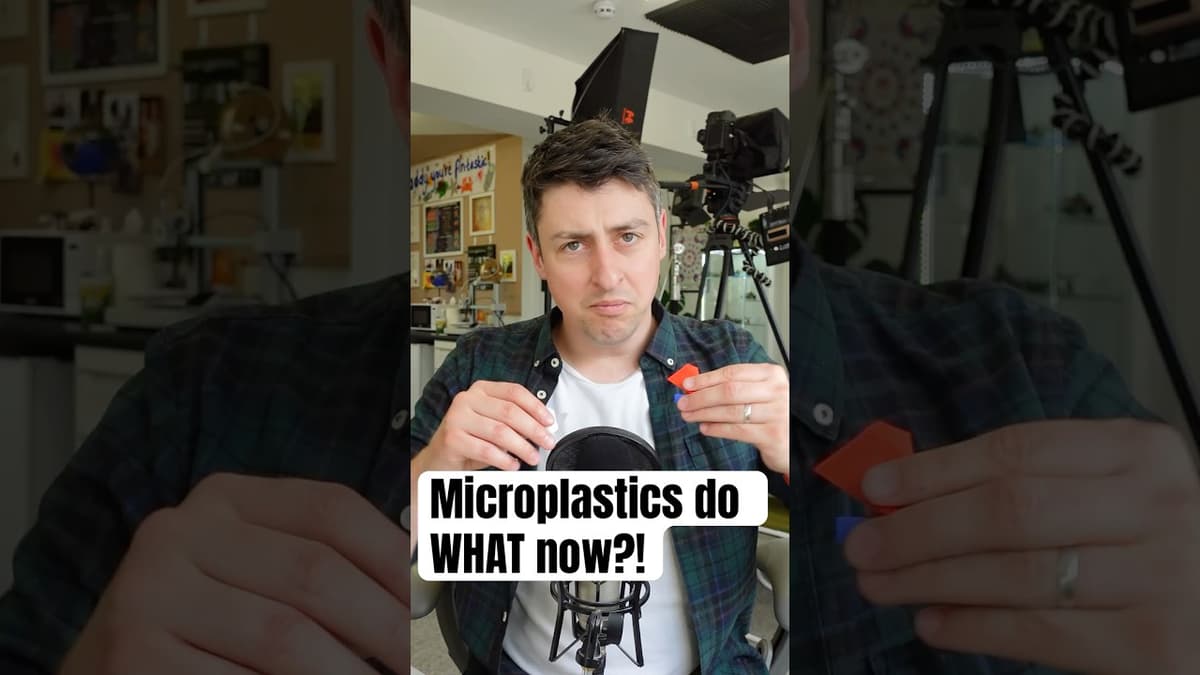
Microplastics Have a Hidden Talent
A new study reveals that microplastics, long known for polluting oceans and soils, are now being measured in the upper atmosphere, where they behave like a previously overlooked climate pollutant. Laboratory experiments show these particles absorb sunlight, warm up, and re‑radiate heat. Pigmented plastics can take up to 75 times more energy than clear variants, and larger particles capture a broader range of wavelengths, amplifying the warming effect. The authors estimate the radiative forcing of airborne microplastics at roughly 0.039 W/m²—tiny compared with the 2.72 W/m² from all greenhouse gases but comparable to other short‑lived climate forcers such as black carbon. The study highlights the role of color and size in determining heat absorption. Because the current estimate carries high uncertainty, researchers call for better measurements of atmospheric microplastic concentrations, distribution, and composition. Incorporating these data into climate models could sharpen policy assessments and potentially add a new category of climate‑active pollutant.

Everything Eats Bats?
A wildlife camera study in a Ugandan national‑park cave captured an unprecedented array of animals—more than 14 species—feeding on Egyptian fruit bats, which are known carriers of the deadly Marburg virus. The footage shows blue monkeys, a palm‑nut vulture, a...

Could a Pill Prevent the World’s Deadliest Cancer?
The video explores a emerging strategy to prevent lung cancer by targeting inflammation rather than solely focusing on genetic mutations. Researchers at Mount Sinai, led by Dr. Miriam Merad and Dr. Tom Marron, argue that up to 80% of lung...

Red Light Therapy: The Science Behind the Hype
The video examines the surge of red‑light therapy products and asks whether the claims of health benefits are grounded in science. Researchers explain that specific wavelengths—typically 670‑1000 nm—penetrate tissue to energize mitochondria, alter gene expression, and potentially protect cells from damage. Evidence...
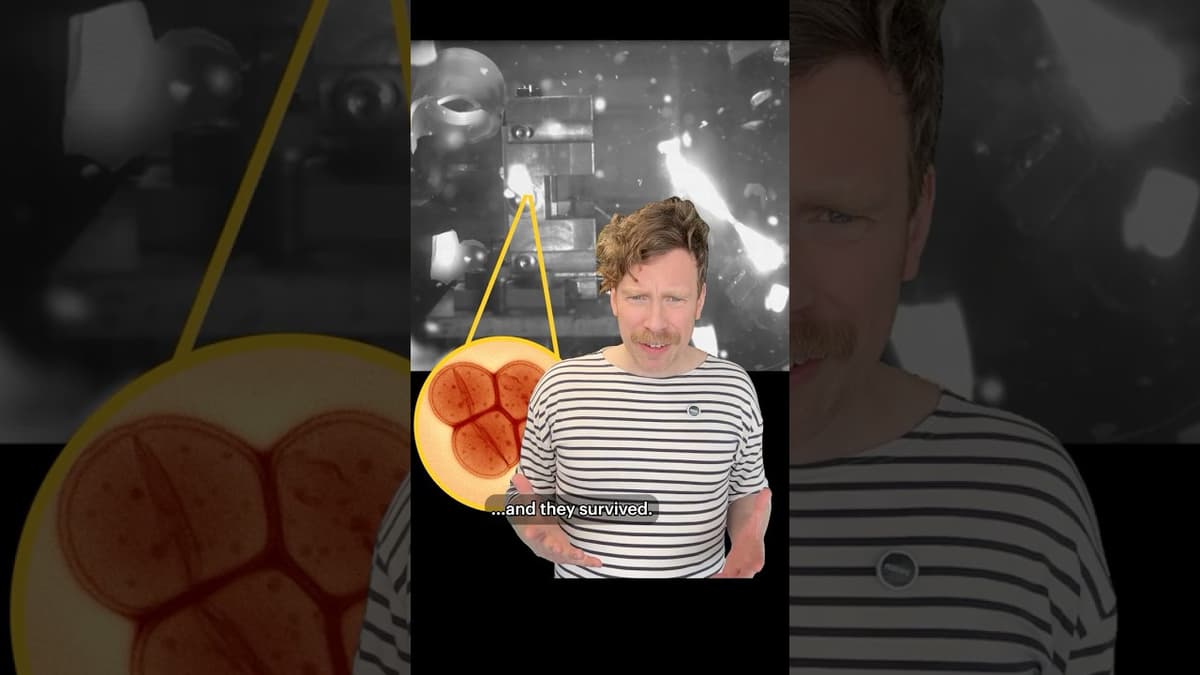
This Bacteria Could Help Us Understand the Origins of Life
Researchers at a European laboratory fired a piece of metal at Deinococcus radiodurans at over 400 miles per hour, subjecting the bacteria to extreme shock and pressure to test its survivability in space‑like conditions. The impact generated pressures exceeding two gigapascals—about...
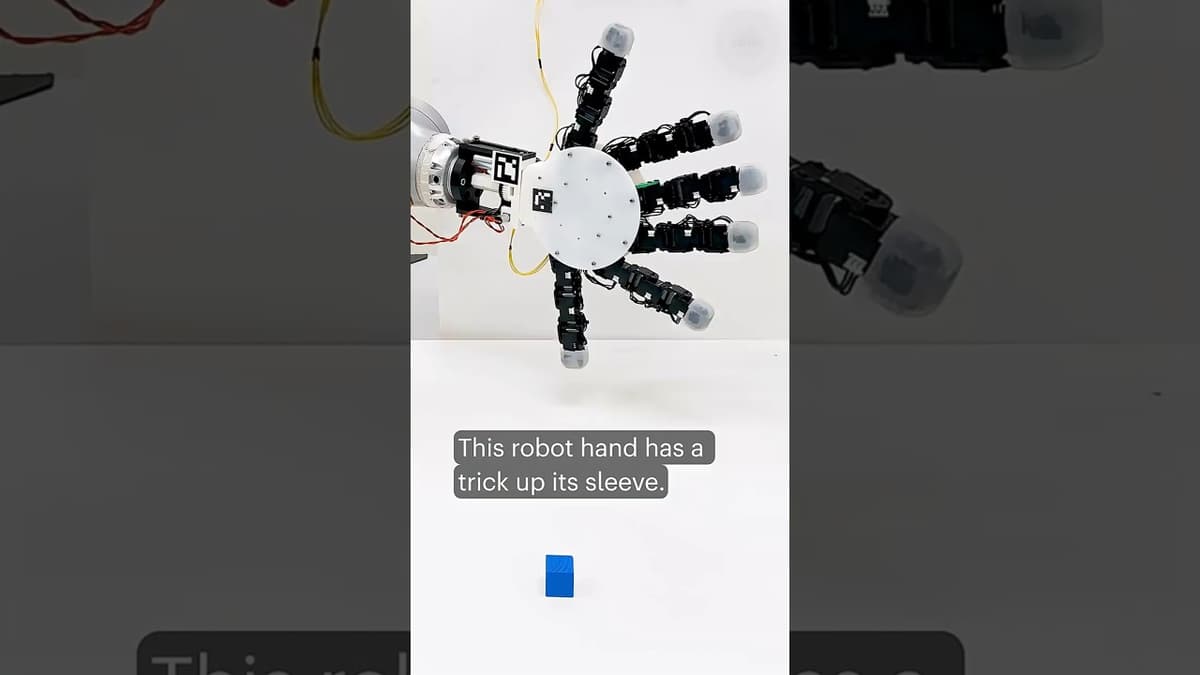
This Robot Hand Detaches and Walks by Itself
The video showcases a novel robotic gripper that can detach from its arm and locomote autonomously, resembling a spider‑like appendage. The device features a symmetrical six‑finger architecture capable of reproducing 33 distinct human grasps, lifting up to 2 kg, and holding four...

Static Electricity Is Mostly a Mystery
The video explores why static electricity remains a scientific mystery, highlighting recent experiments that may finally explain charge directionality. Researchers observed that when a levitating silica ball bounces on a silica plate, its charge after each bounce appears random, with...

Antimatter Goes for a Drive
CERN announced the successful field‑test of a newly‑developed portable antimatter container, driving a small batch of antiprotons around the laboratory site for the first time. The device uses ultra‑strong superconducting magnets to levitate antiprotons in a near‑perfect vacuum, preventing contact with...

Zombie Cells Could Change Bioengineering
The video explains a breakthrough in synthetic biology where scientists performed whole‑genome transplantation, inserting an entire genome from one Mycoplasma species into a dead cell of another species. By first killing the recipient bacteria with a chemotherapy drug, they ensured...

Scientists Don’t Know How Static Electricity Works
The video highlights that despite centuries of study, the fundamental physics behind static electricity—particularly the triboelectric effect—remains largely mysterious to scientists. Researchers explain that when two surfaces touch, electrons or ions transfer, yet the precise material properties that dictate the direction...

This Shapeshifting Polymer Was Inspired by Octopus Skin
The video introduces a thin polymer film that mimics octopus skin, dynamically altering both colour and surface texture before reverting to its original state. Inspired by cephalopod camouflage, the material leverages fluid‑induced swelling to achieve reversible visual changes. The researchers use...

Biggest Schrödinger’s Cat
Physicists have pushed the quantum frontier by coaxing a cluster of roughly 7,000 sodium atoms into a superposition of locations, creating what they dub the "biggest Schrödinger’s cat" to date. The experiment, conducted in a cryogenic chamber at –196 °C and...

A Tiny Robot Fish Powered by Sound
Researchers have unveiled a micrometer‑scale acoustic robot that propels itself solely with ultrasound‑induced bubble jets. Dubbed the “stingray bot,” the device is a thin, flexible sheet perforated with thousands of microscopic holes that trap air bubbles, allowing it to swim...
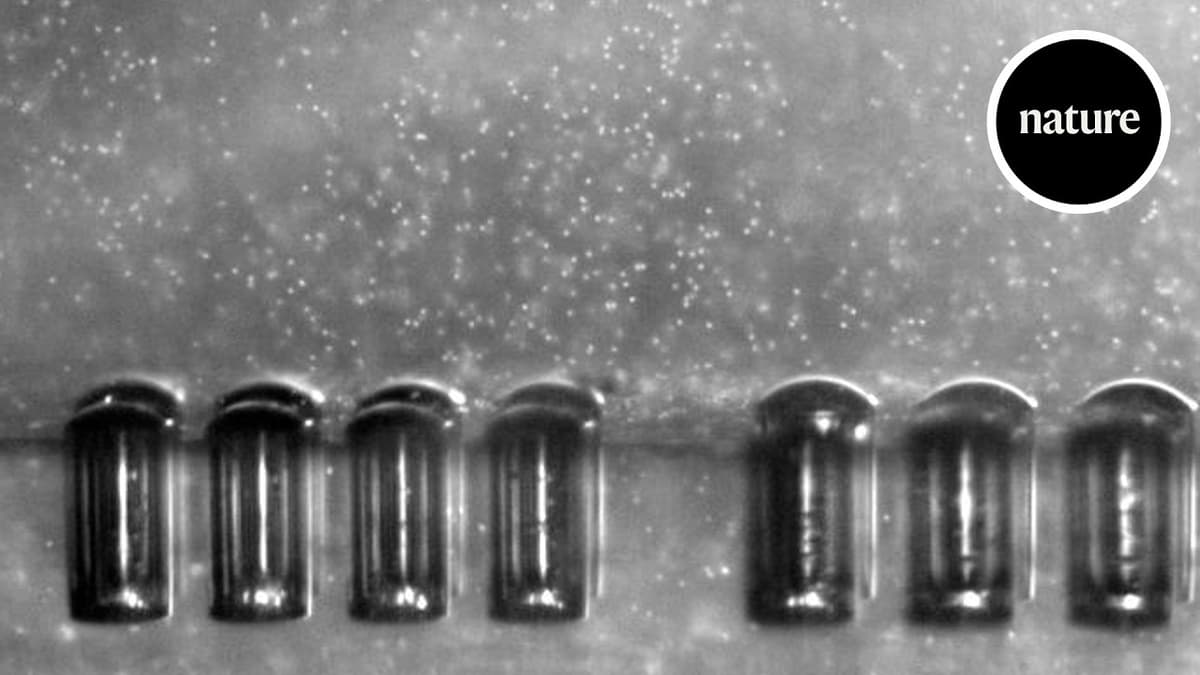
Tiny Robot Fish Could Swim Through the Body Powered by Ultrasound
The video introduces acoustic robotics, where tiny polymer devices are powered solely by ultrasound‑induced bubble dynamics, eliminating wires, batteries, or magnets and opening the door to fully wireless medical microrobots. A thin polymer sheet is laser‑molded with thousands of sub‑millimetre cavities...