OpenSSF - Latest News and Information
Technology Pulse
EMAIL DIGESTS
Daily
Every morning
Weekly
Tuesday recap
EMAIL DIGESTS
Daily
Every morning
Weekly
Tuesday recap

The video examines the hidden, supply‑chain‑driven threats that jeopardize a nation’s digital backbone, especially as critical infrastructure becomes increasingly software‑centric. It argues that traditional security models focused on human error are insufficient when state‑backed actors infiltrate telecom, finance, transportation and energy systems through compromised third‑party components. The speaker proposes a three‑tier taxonomy: Tier 1 national assets such as nuclear, space and banking; Tier 2 sectoral services like power grids, telecom and healthcare; and Tier 3 supporting platforms including data centers and cloud providers. Real‑world illustrations include the 2023 Israeli mobile‑phone compromise and Iran’s missile strikes targeting regional cloud data centers, underscoring how geopolitical conflict can manifest as cyber‑supply‑chain attacks. A key recommendation is shifting from reactive audits to continuous, vendor‑aware monitoring, coupled with a centralized threat‑intelligence hub that aggregates incidents across sectors. By sharing vulnerability disclosures—e.g., a telecom software flaw that also affects the power grid—organizations can pre‑empt cascading failures. The discussion also highlights open‑source software’s dual role: broader community scrutiny can accelerate fixes, yet widespread adoption amplifies exposure if not properly managed. For policymakers and industry leaders, the implication is clear: robust, industry‑driven governance frameworks must mandate cross‑sector reporting, real‑time supply‑chain visibility, and balanced use of open‑source components. Failure to embed these safeguards could allow adversaries to cripple essential services without firing a single missile, eroding economic stability and public trust.

Minder, an OpenSSF initiative, provides continuous policy enforcement for software supply chains, monitoring repositories, releases and pull requests to maintain security compliance with minimal friction. The service defines policies, uses webhooks to detect drift, and automatically remediates violations via patches, comments...
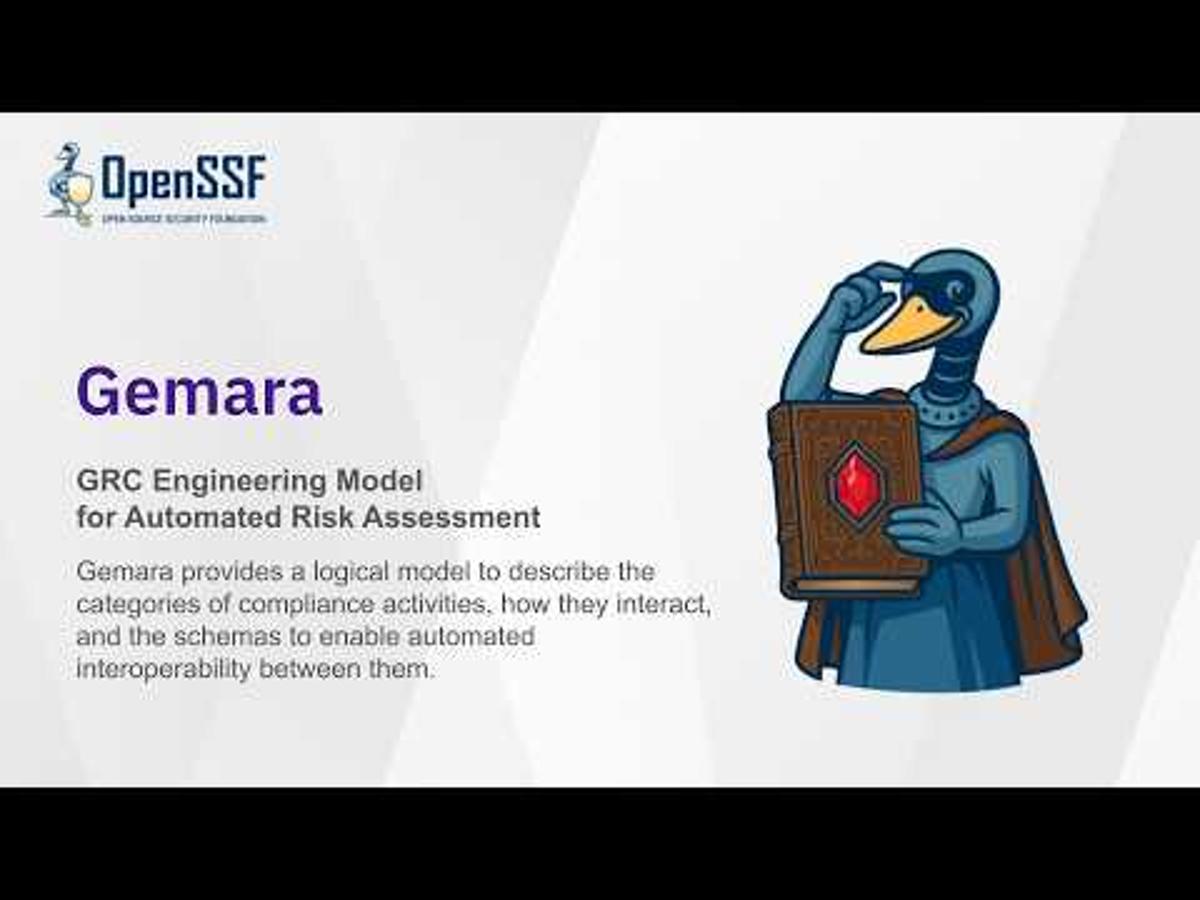
Jamara, the GRC Engineering Model for Automated Risk Assessment, is an OpenSSF‑hosted open‑source project that defines a multi‑layer logical model for integrating governance, risk, and compliance (GRC) directly into software engineering pipelines. Its purpose is to replace fragmented, tool‑specific data...
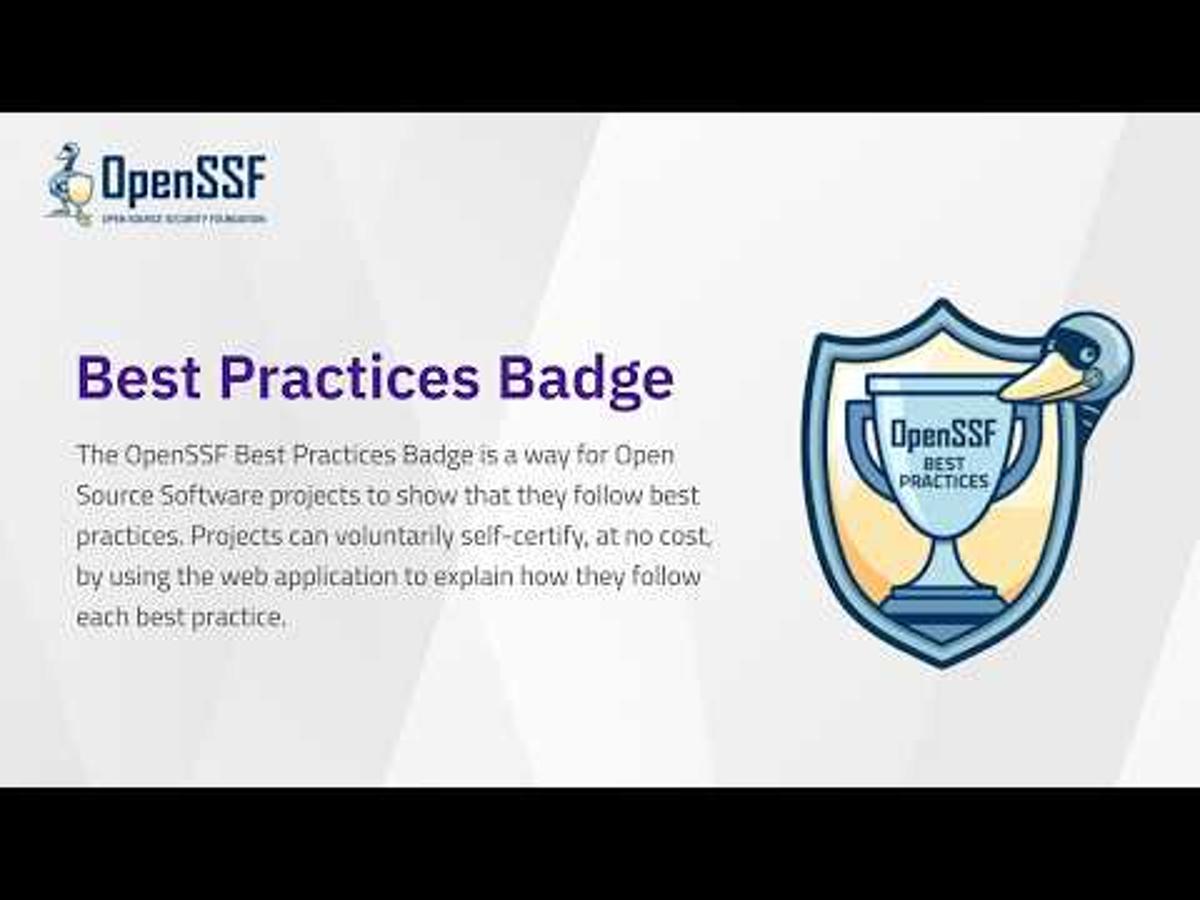
David Wheeler, director of open‑source supply‑chain security at the OpenSSF, introduced the OpenSSF Best Practices Badge – a three‑tier (passing, silver, gold) certification that evaluates open‑source projects against a curated set of security‑focused criteria drawn from well‑run repositories. The badge...

OpenSSF’s sandbox project Minder provides policy‑based security automation across the software development lifecycle. It lets open‑source communities, enterprises, and individual developers define policies that continuously monitor repositories, dependencies, CI/CD pipelines, and container builds. By integrating with OSV and other vulnerability...


