
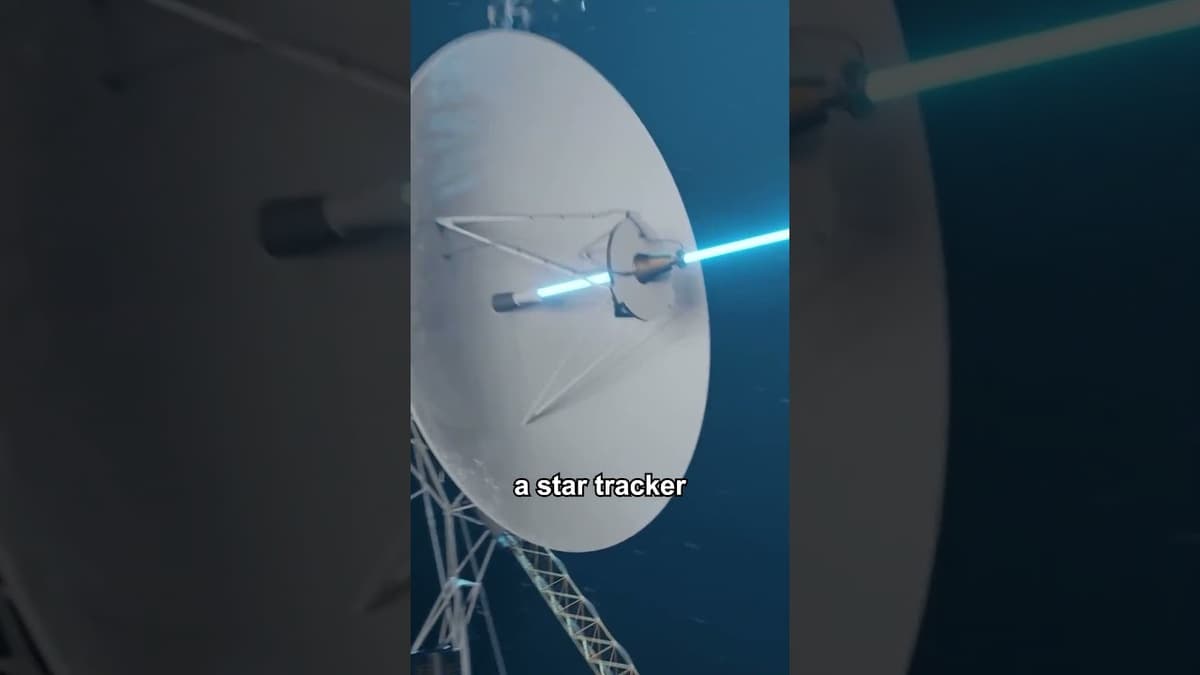
How The Sun Kept Voyager On Course
Voyager 2 relied on star trackers to determine its orientation and a Sun sensor to keep its high‑gain antenna aimed at Earth. When the Sun was blocked during planetary flybys, onboard gyroscopes held the spacecraft’s attitude until sunlight returned. This layered navigation system provided the precision needed for deep‑space maneuvers. Even minute attitude errors could have diverted Voyager from its intended trajectory in the outer Solar System.
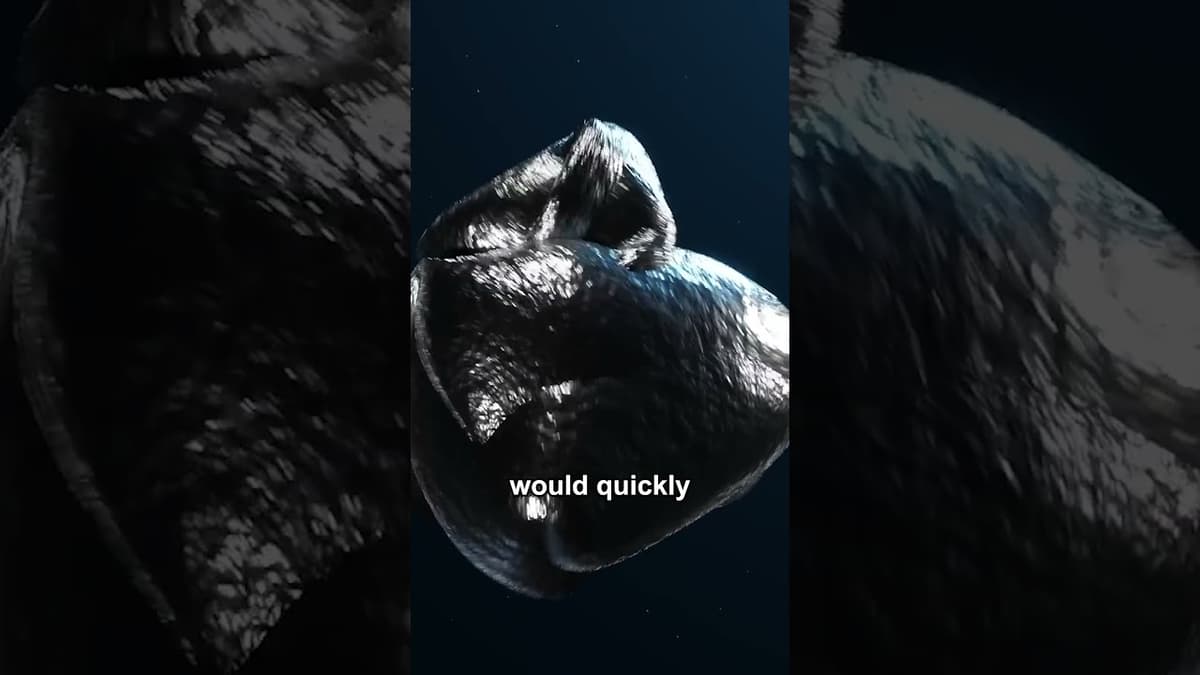
Inflating A Metal Balloon in Space
The video recounts the launch of the Echo series, the first passive communications satellites, highlighted by President Dwight D. Eisenhower’s historic voice transmission from California to New Jersey, demonstrating the dawn of satellite‑based messaging. Echo’s balloon inflated in orbit without a...
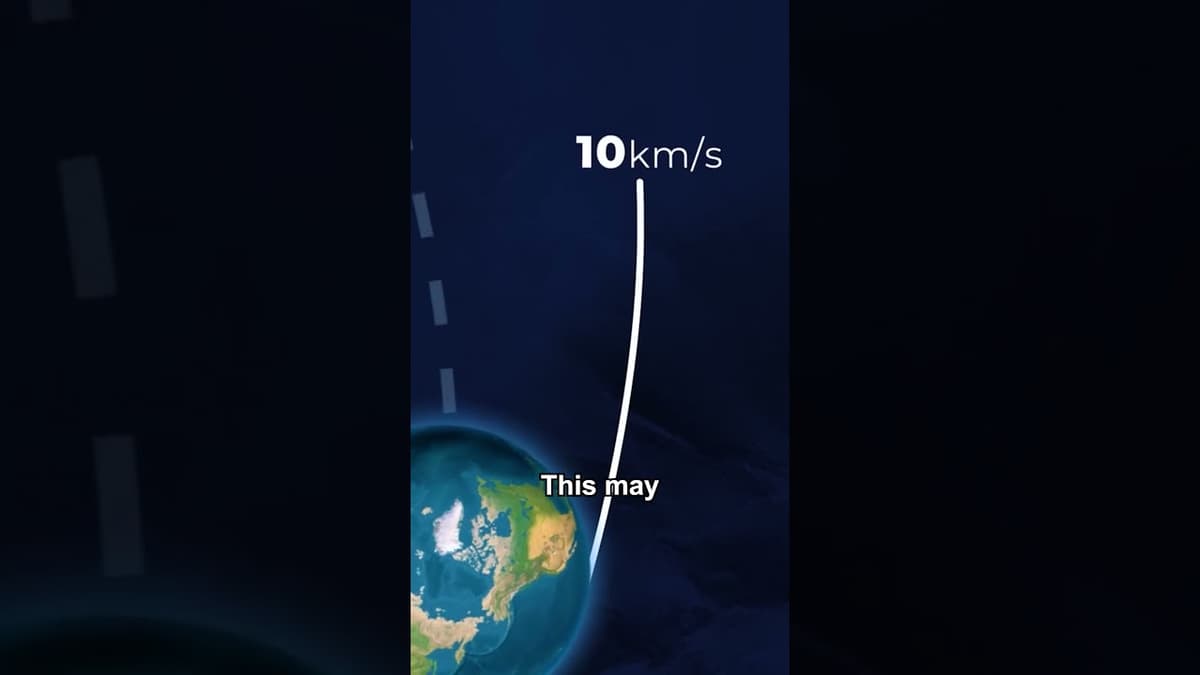
How Voyager 2 Escaped the Sun’s Gravity
The video explains how Voyager 2 used a once‑in‑175‑years planetary alignment to slingshot past Jupiter, Saturn, Uranus and Neptune and ultimately leave the solar system. Because the launch vehicle could only add about 10 km/s to the spacecraft, engineers relied on Earth’s 30 km/s...
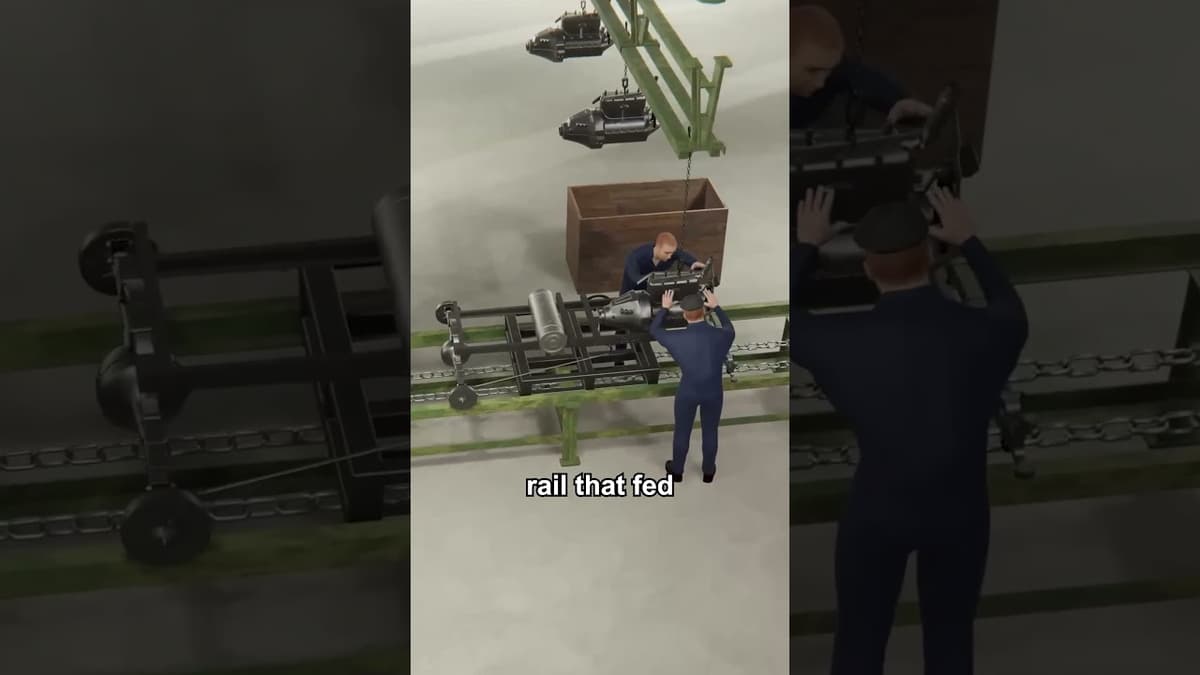
Henry’s Fix For a Ford Every Forty Seconds
In 1914 Henry Ford unveiled the final assembly line that slashed Model T build time from twelve hours to ninety minutes, allowing a finished car to roll off the line every forty seconds. The line integrated 45 discrete operations performed by 140...
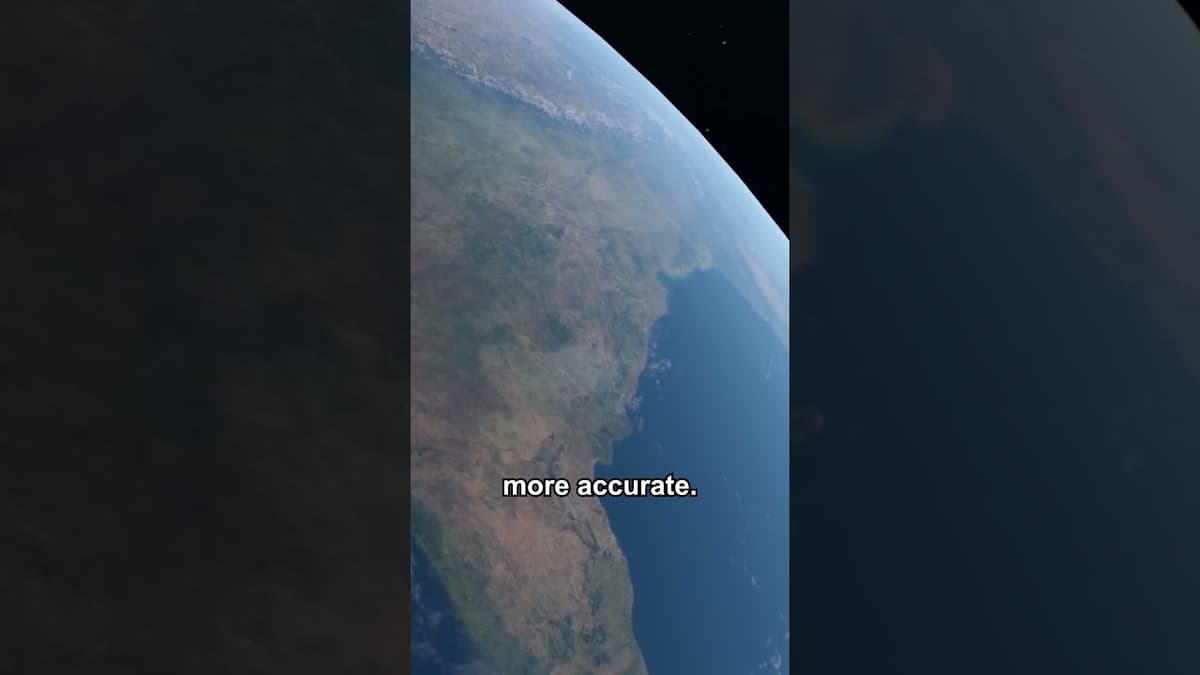
Measuring The Earth With Big Metal Balls
The video explains how NASA’s Echo 1 and Echo 2—large metallic balloons launched in the early 1960s—revolutionized Earth measurement. By transmitting a radio pulse and timing its return from two ground stations, scientists could triangulate the satellite’s position, turning a...
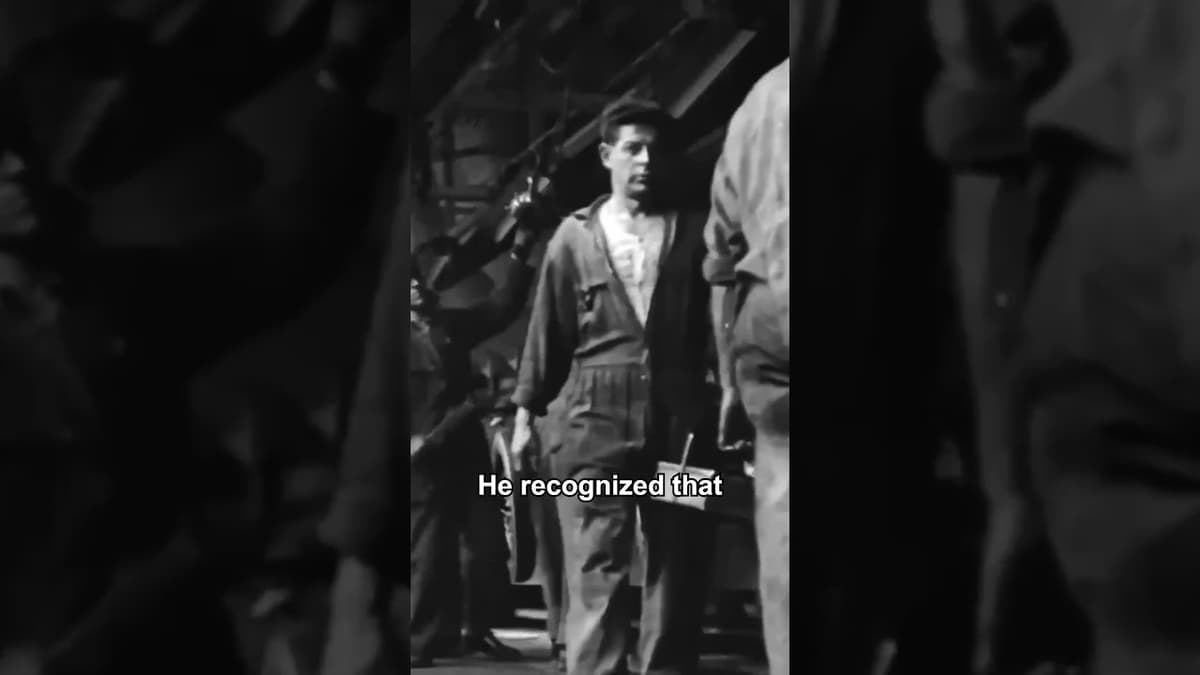
The Car Manufacturer Who Created the Weekend
Henry Ford’s 1914 labor reforms reshaped manufacturing and gave birth to the modern weekend. By cutting the man‑hours to build a car from 450 to 150, raising the daily wage from $2.34 to $5 and shortening shifts to eight hours, Ford...
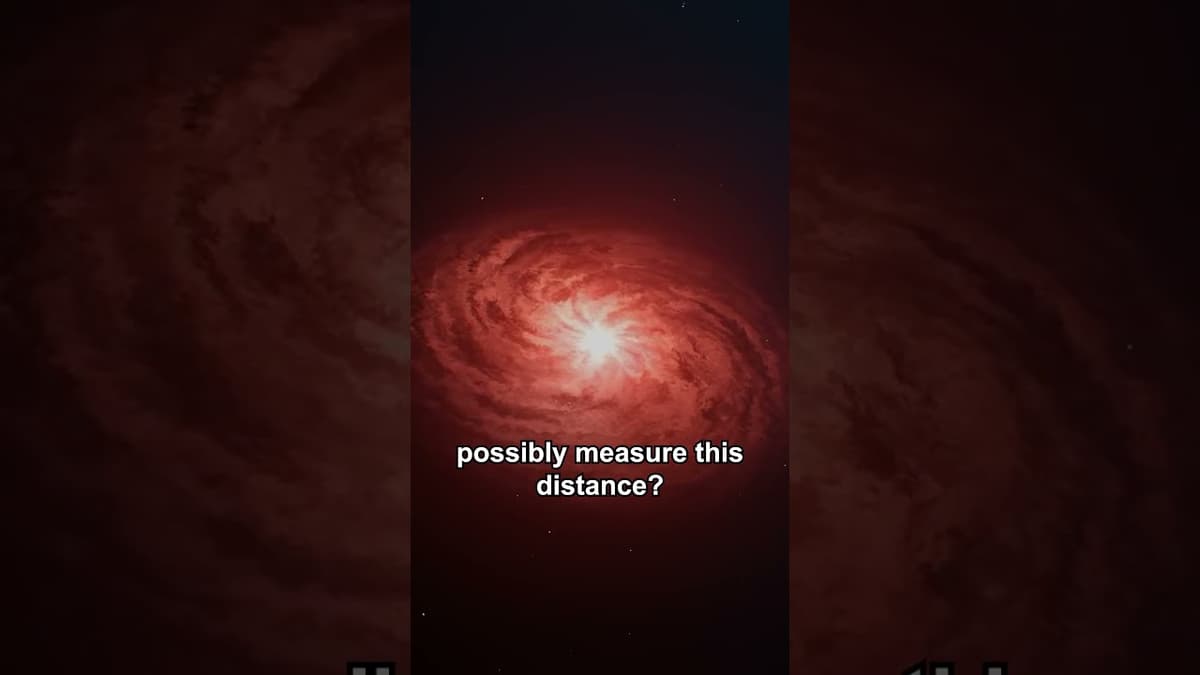
Why Galaxies Are Racing Away From Us
The universe has been expanding since the Big Bang, stretching space itself between galaxies. Because space can expand without a speed limit, distant galaxies appear to recede faster than light, even though no object breaks the light‑speed barrier locally. This...
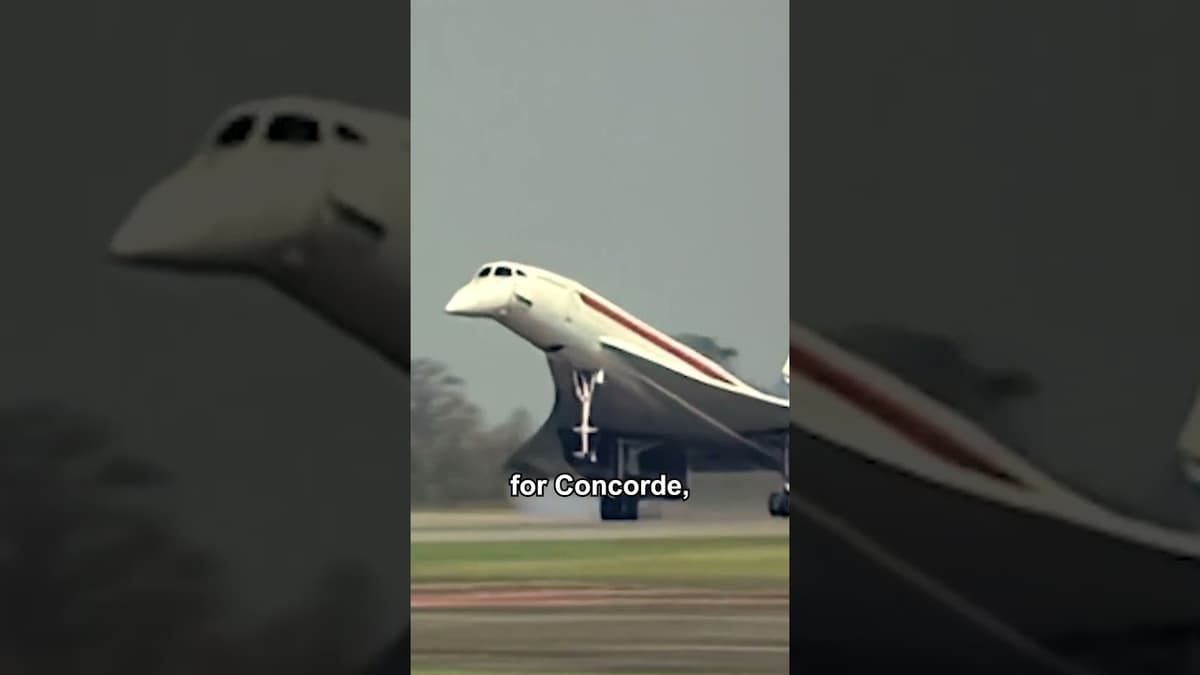
Chasing a Solar Eclipse in Concorde
In 1973 a team of scientists used the supersonic Concorde to extend totality of a solar eclipse, flying the only aircraft capable of staying in the Moon’s shadow for an extended period. Because most African runways were too short and the...
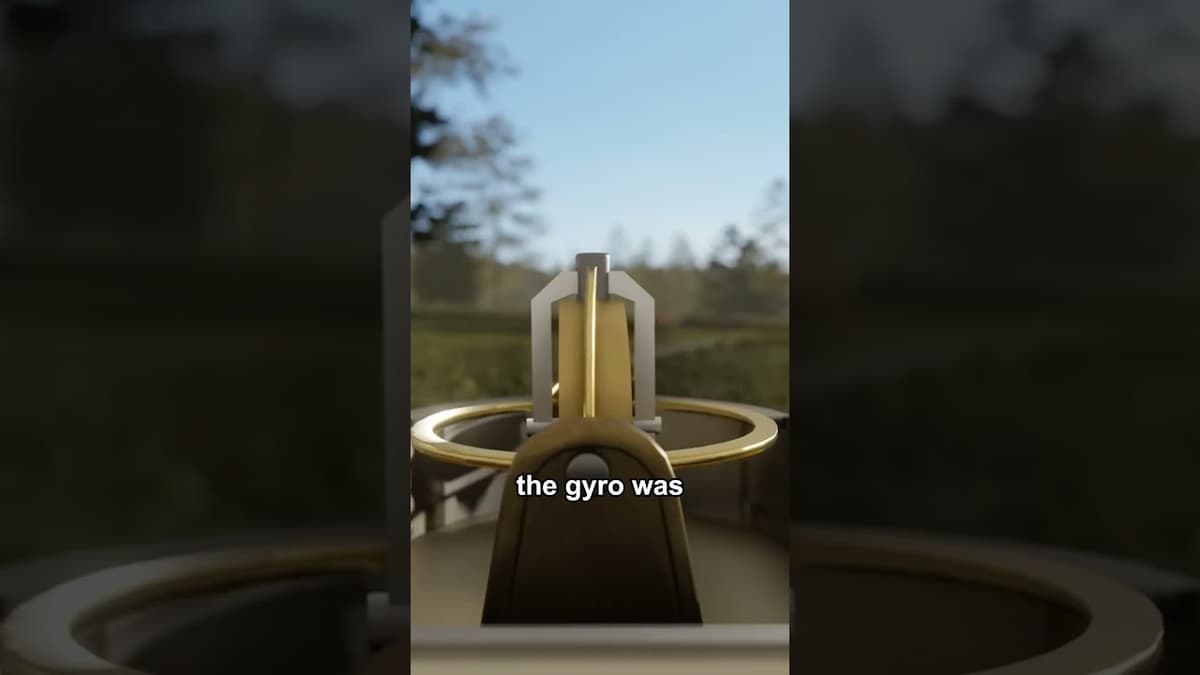
How Did Gyroscopes Help a Monorail Stay Upright?
In 1910 Louis Brennan unveiled a daring invention: a single‑rail monorail stabilized by gyroscopes. He argued that a lone rail would cut construction costs and allow higher cornering speeds than conventional dual‑track trains. Brennan’s design relied on the physics of a...
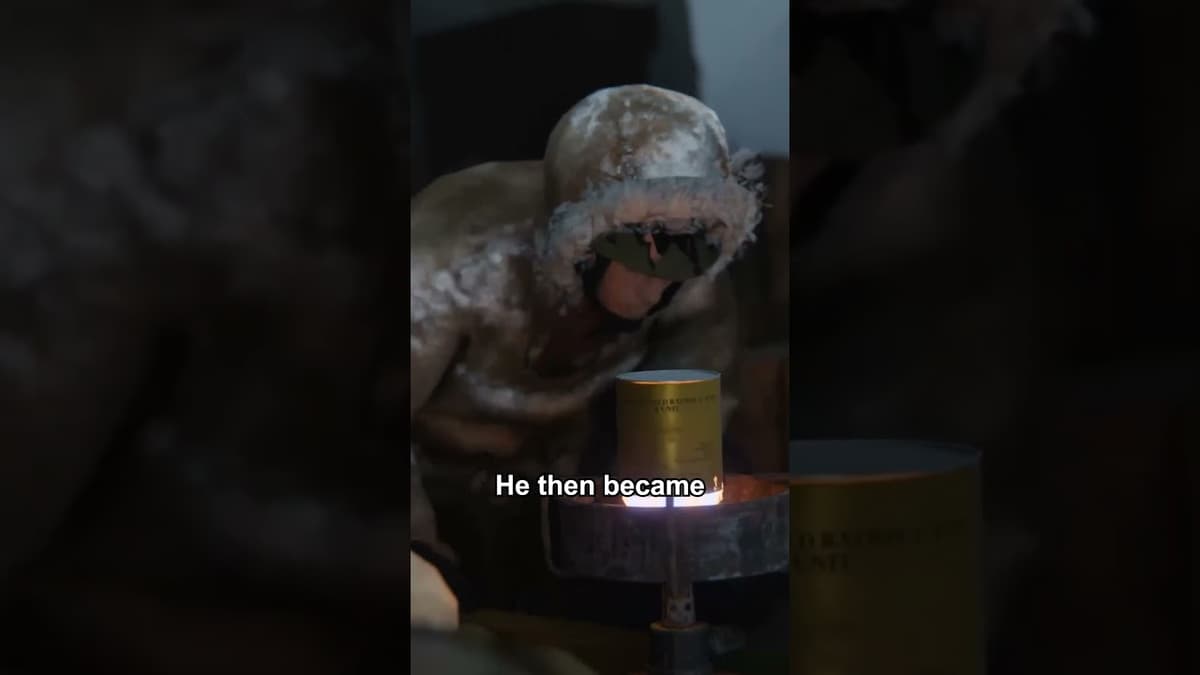
Surviving an Antarctic Plane Crash
A small aircraft slammed into an Antarctic mountain, leaving the crew stranded in a snow‑filled crash site. With the fuselage torn apart, survivors quickly converted the remaining tunnel section into a makeshift shelter, sealing it with a ripped parachute to...
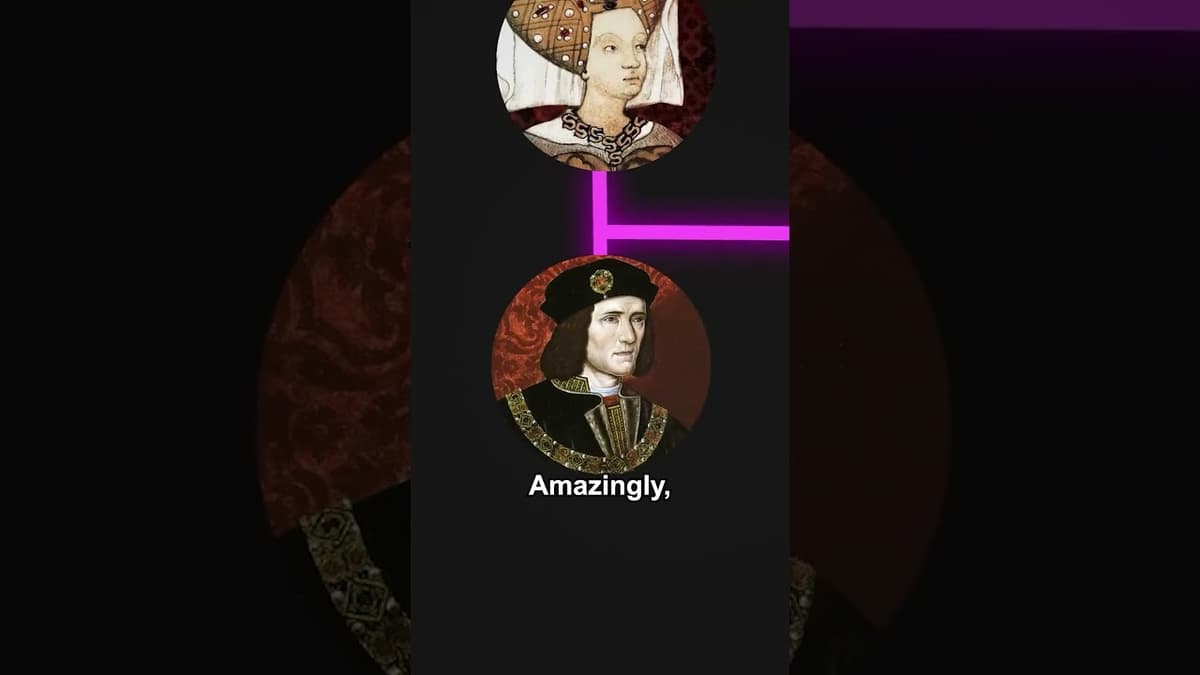
DNA Testing Richard III
The video chronicles the forensic identification of King Richard III’s skeletal remains, discovered beneath a parking lot in Leicester. Researchers recognized the curved spine and skull trauma as hallmarks of the 1485 battle death. To confirm the find, scientists employed modern...
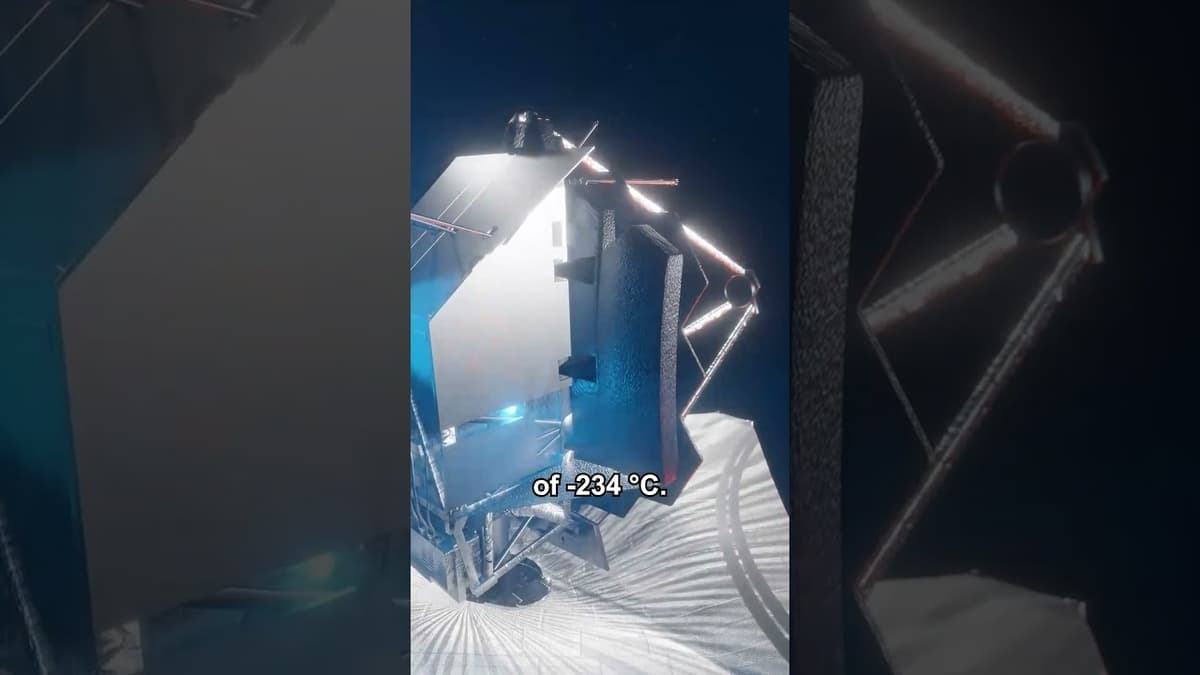
Sensors On James Webb Camera
The James Webb Space Telescope’s (JWST) imaging suite relies entirely on infrared detectors, which capture wavelengths invisible to the human eye and allow astronomers to peer beyond the limits of visible‑light telescopes. Because infrared photons are extremely faint, the sensors—especially the...

Chinese Legend of the Silkworm
The video recounts a legendary origin story in which the Chinese Empress, seated beneath a mulberry tree, discovers a silkworm cocoon that unravels into a 100‑meter fiber when it falls into her tea. This anecdote frames the birth of silk...

Carbon Dating the Car Park King
The August 25 dig, marking 527 years since King Richard III’s burial, was intended to last two weeks but yielded a skeleton within six hours. Carbon‑14 analysis initially dated the remains several decades older than the monarch, but scientists noted the...

Promise Notes - The Foundation of Modern Banking
The video traces the birth of modern banking to 17th‑century London, where trusted goldsmiths began safeguarding customers' gold coins and issuing paper promises—known as promise notes—as proof of deposit. These notes could be redeemed at any goldsmith, turning a simple...