
The Massey Legacy: Rediscovering the Methodist Beginnings of Collections at ROM
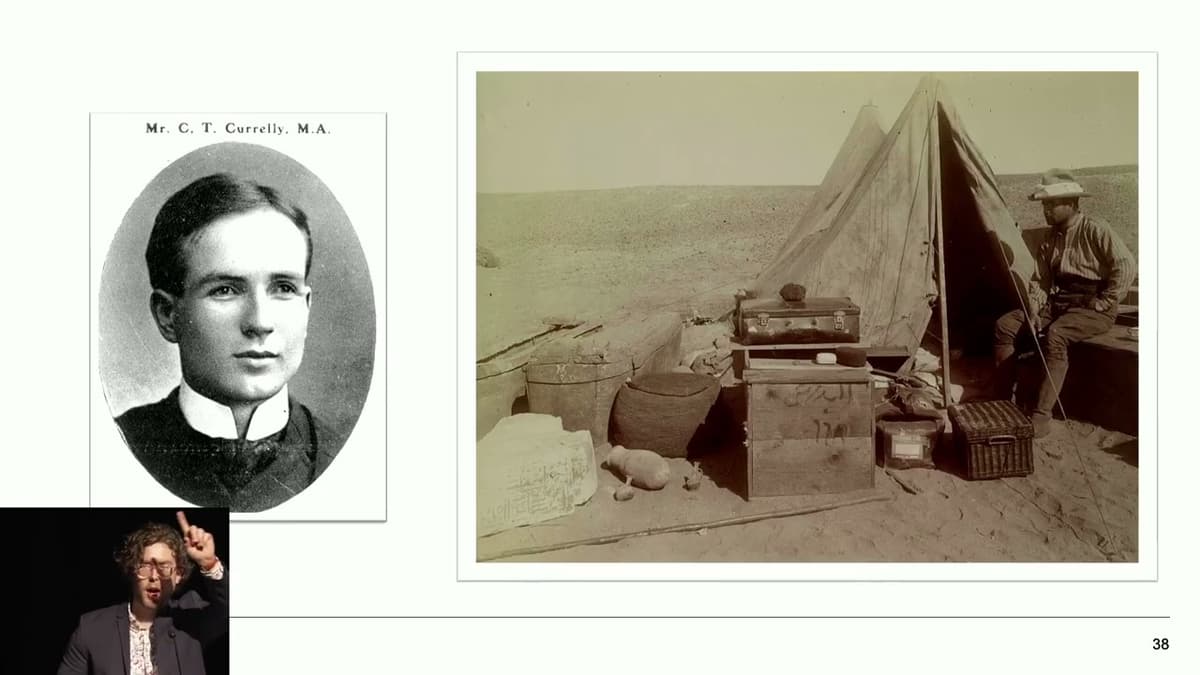
Gregory Fster’s presentation, “The Massey Legacy,” examines how the Royal Ontario Museum’s early collections were shaped by Methodist philanthropy and the personal networks of early 20th‑century archaeologists. By digging into roughly 50 newly examined letters and archival records, Fster illustrates the practice of critical provenance research—tracing an object’s ownership chain from its origin to its present display. The core of his argument is that the Walter Massie collection, comprising about 2,000 Egyptian and Near‑Eastern objects, was not a neutral acquisition but a deliberately funded biblical collection. Carelli’s correspondence with Methodist benefactors such as Nathaniel Burwash and the Massie brothers reveals a clear agenda: to supply Victoria College with artifacts that reinforced Protestant biblical narratives. The 1909 donation letter, offering $5,000 (equivalent to $150,000 today), explicitly ties the collection to the Massie family’s religious and educational mission. Fster uses concrete examples—a terracotta figurine of Isis nursing Harpocrates, the museum label credit line, and excerpts from Carelli’s letters—to show how labels mask complex histories. He contrasts Carelli’s later memoir, written with hindsight, against his contemporaneous letters, which provide unfiltered insight into the motivations, market dynamics, and logistical challenges of early antiquities trade. The broader implication is that re‑examining provenance can reshape curatorial narratives, promote transparency, and inform ethical collecting policies. As museums confront decolonization pressures, understanding the Methodist, commercial, and personal forces behind foundational collections becomes essential for responsible stewardship and public trust.
Jin-Me Yoon Beyond Canadian Identity: Rethinking Land, Ecology, and Communities
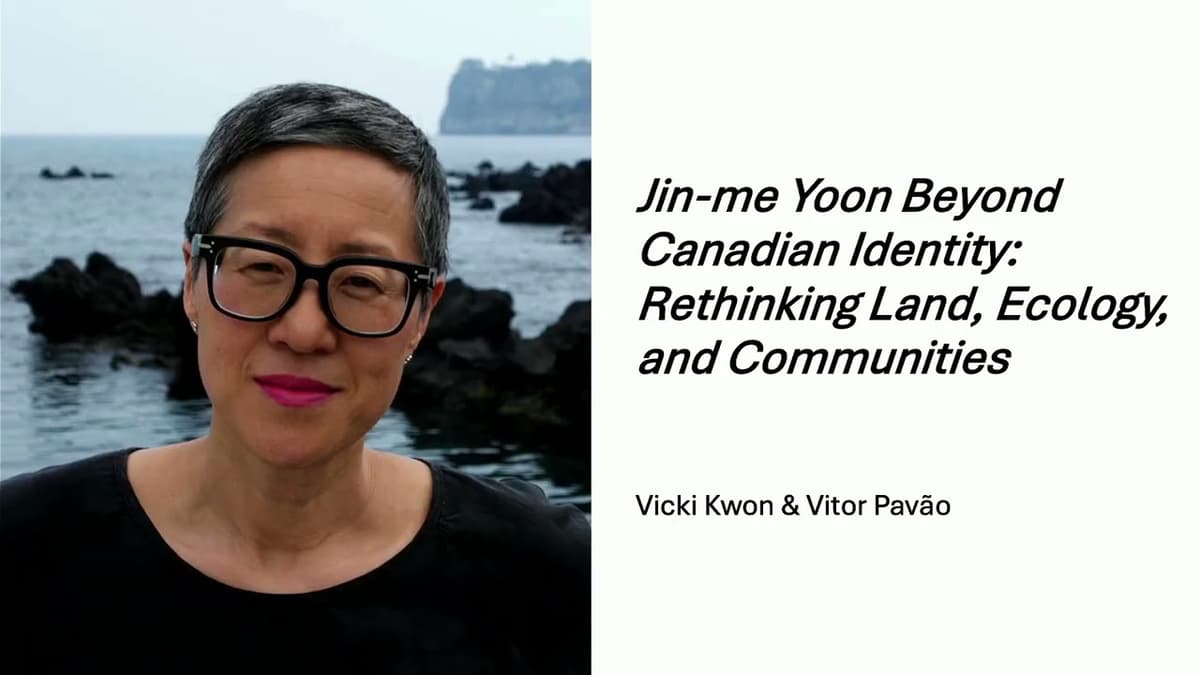
The Royal Ontario Museum hosted a presentation on Jin‑me Yoon, the Governor‑General’s Award‑winning Korean‑Canadian artist whose practice interrogates Canadian identity, land, ecology and community through photography, performance and video. Curators Vicki Kwan and Vtor Pavo highlighted how Yoon’s work reframes...
2026 Vaughan Lecture Ancient Niagara: Preserving Thousands of Years of Climate Records at ROM
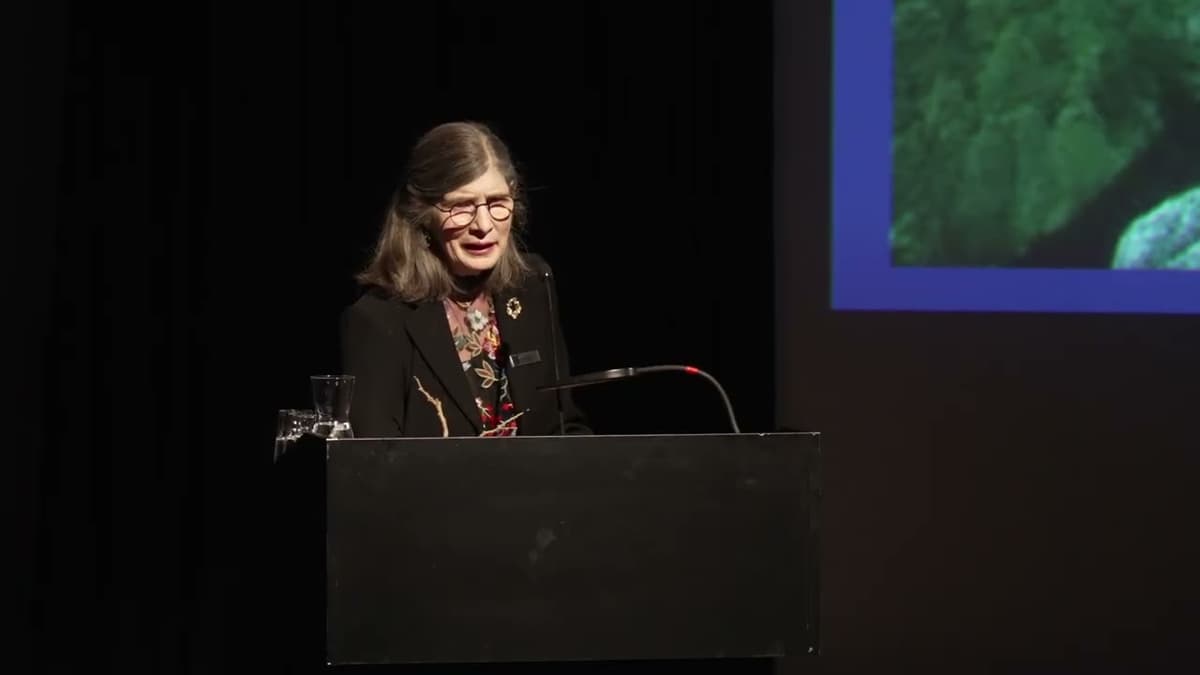
The 2026 Vaughan Lecture highlighted the Royal Ontario Museum’s newest acquisition: a comprehensive collection of ancient tree cores from Ontario’s Niagara Escarpment. Curators Deborah Mezer, Saurin Brothers, and retired professor Douglas Larson presented the “Niagara Escarpment Ancient Tree Atlas” as...

As the Web Turns- Exploring the Complicated World of Black Widow Spiders
The Quimby Fest lecture introduced Dr. May Diana Andrade, a leading behavioral ecologist and Canada Research Chair, who examined the intricate biology of black widow spiders. The talk highlighted her distinguished academic career, recent appointment as dean at York University,...