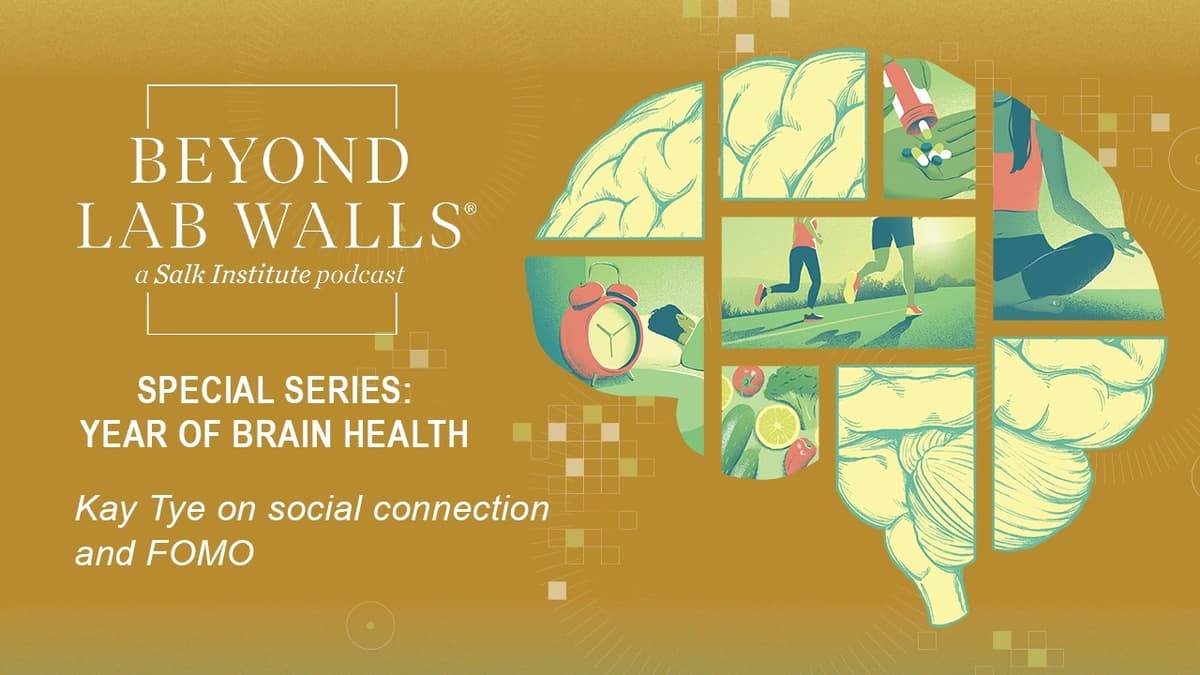
Salk’s Year of Brain Health: Kay Tye on Social Connection and FOMO
The podcast marks Salk Institute’s 2026 “Year of Brain Health,” featuring neuroscientist Kay Tye discussing how social health—defined as the quality and quantity of our connections—underpins cognitive resilience throughout life. Tye explains that the brain maintains “social homeostasis,” a set‑point balancing incoming social input with internal expectations. Chronic deficits trigger neural circuits that register social pain, which she notes is processed similarly to physical pain. Data from flies to humans show that prolonged isolation shortens lifespan and raises risk of mood disorders, cardiovascular disease, and cancer. She cites concrete examples: mice emit vocalizations when socially deprived, and pandemic‑era quarantine shifted many people’s social set‑points, making post‑lockdown gatherings feel overwhelming. Tye emphasizes that perceived loneliness—not merely lack of contact—drives these health effects, highlighting the role of caregivers in providing responsive, reciprocal interaction. For businesses, these insights suggest a market for interventions that monitor and boost social engagement, from digital platforms that reduce FOMO to community‑based senior programs. Prioritizing social health could delay cognitive decline, lower healthcare costs, and create new revenue streams in wellness and elder‑care sectors.
Salk’s Year of Brain Health: Rusty Gage on Exercise, Cognition, and Aging
On a Salk Institute podcast, neuroscientist Rusty Gage explains how regular physical activity supports brain health by boosting circulation, oxygen and nutrient delivery, and increasing mitochondrial capacity that fuels high cerebral energy demand. He links both acute and chronic exercise...
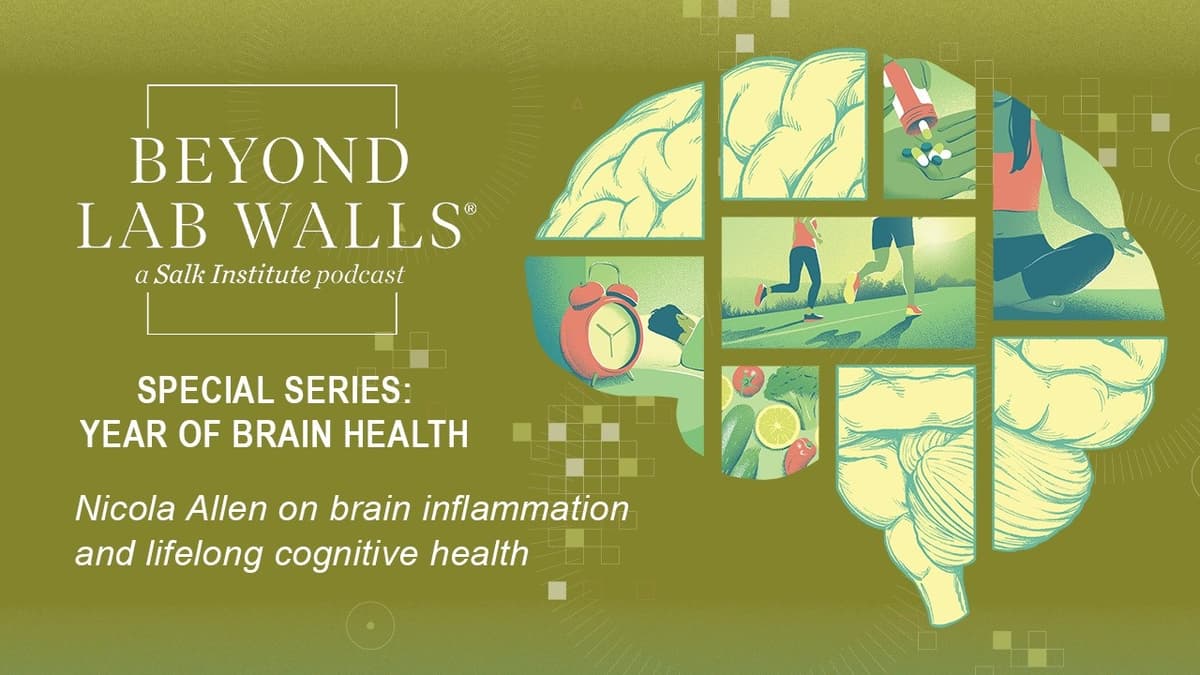
Salk’s Year of Brain Health: Nicola Allen on Brain Inflammation and Lifelong Cognitive Health
The Salk Institute’s "Year of Brain Health" podcast features neuroscientist Nicola Allen discussing how immune health intertwines with cognitive longevity. Allen explains that the brain is roughly a 50/50 mix of neurons and glial cells—astrocytes, microglia, and blood vessels—challenging the...
Science Can't Wait: A Discovery Series | Part 3 | Featuring Cancer Researcher Daniel Hollern
The Science Can’t Wait webinar’s third installment spotlighted Salk Institute researcher Daniel Hollern’s work on leveraging the immune system—specifically B cells—to combat breast cancer. The session framed the effort as part of a broader interdisciplinary push, where basic questions...

Joan Jacobs Science & Music Series - April 26, 2026
The Joan Jacobs Science & Music Series at the Salk Institute featured Dr. Shika Ramanan’s presentation on how maternal immunity shapes lactation and long‑term brain health. She framed the talk within Salk’s broader focus on cognitive health, emphasizing that...
Salk’s Year of Brain Health: Christian Metallo on Metabolic Health, Aging, and Alzheimer’s Risk
The Salk Institute’s “Beyond Lab Walls” podcast dedicates this episode to metabolic health as a cornerstone of cognitive brain health. Host Gerald Joyce interviews Salk metabolic engineer Christian Metallo, who explains how the body’s biochemical fuel‑processing system influences aging and...
Igniting the Spark with Salk Innovation and Collaboration Grants
The podcast episode spotlights SulkQ Institute’s Innovation and Collaboration Grant programs, designed to fund high‑risk, interdisciplinary science that falls outside traditional federal mechanisms. Federal agencies such as NIH and NSF provide roughly 80 % of biomedical dollars but demand extensive preliminary data,...
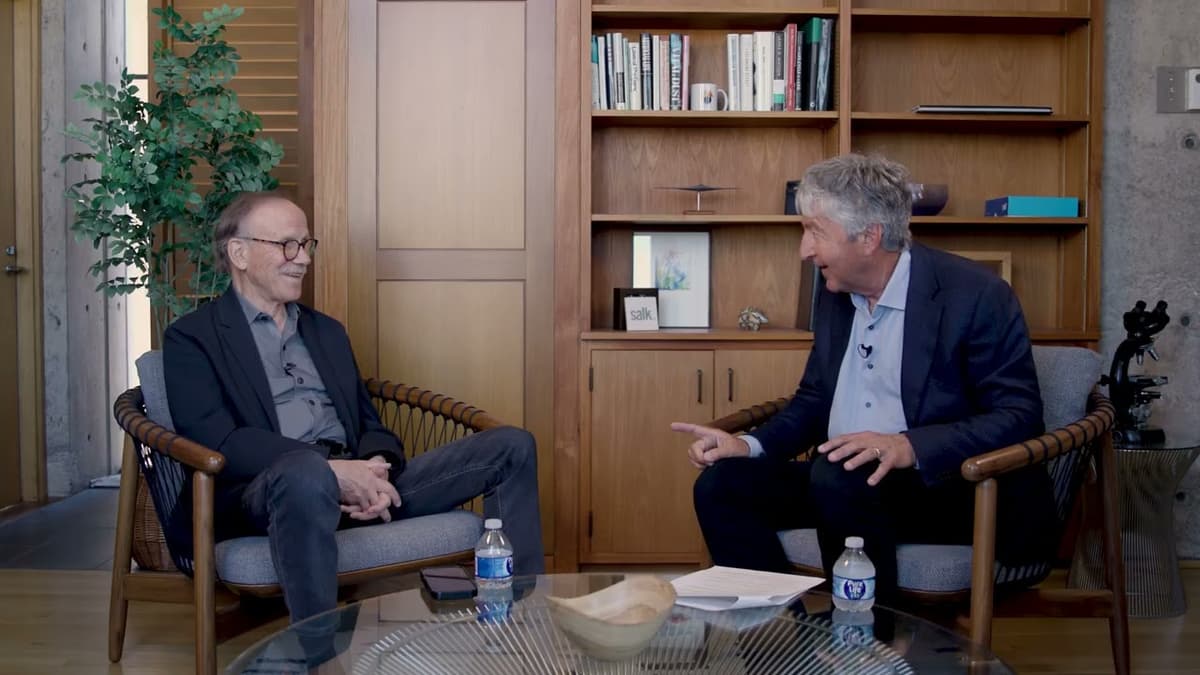
Salk’s Year of Brain Health: Rusty Gage on Exercise, Cognition, and Aging
The Beyond Lab Walls episode spotlights Salk Institute’s Year of Brain Health, featuring neuroscientist Rusty Gage discussing how exercise influences cognition and aging. Gage explains that physical activity raises cerebral blood flow and multiplies mitochondrial capacity, supplying the brain’s high energy...
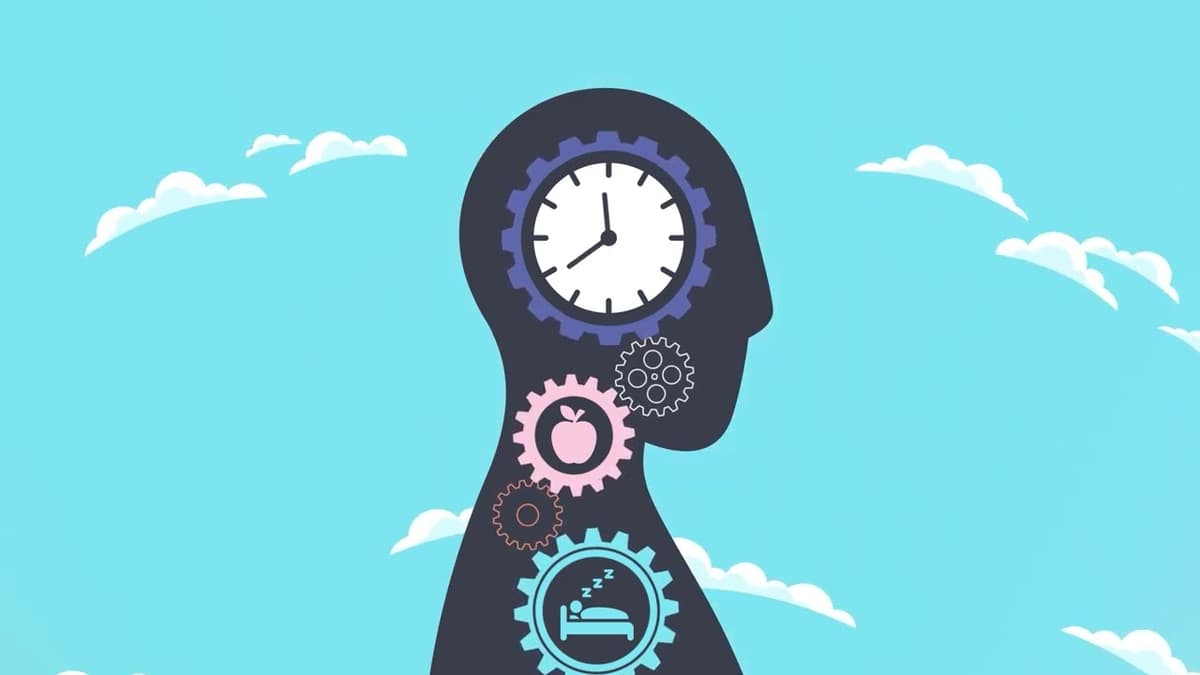
Emily Manoogian Sleeps, Eats, and Thrives with Circadian Rhythms in Mind
The Beyond Lab Walls podcast features staff scientist Emily Manoogian, a chronobiologist in Satchin Panda’s lab at the SulkQ Institute, discussing how circadian rhythms shape everyday health. Manoogian traces her path from a rural California upbringing and a love of...

Emily Manoogian Sleeps, Eats, and Thrives with Circadian Rhythms in Mind
The Beyond Lab Walls podcast features chronobiologist Emily Manoogian discussing how circadian rhythms underpin everyday health. Working in Satchin Panda’s lab at the SulkQ Institute, she explains that virtually every physiological process—from glucose handling to hormone release—follows a roughly 24‑hour...

Terrence Sejnowski Chats Chatbots and What We Can Learn at the Intersection of AI and Neuroscience
In this Beyond Lab Walls episode, computational neuroscientist Terrence Sejnowski discusses the convergence of artificial intelligence and brain science. He recounts his journey from a childhood volcano experiment to pioneering the Boltzmann machine—a learning algorithm that made multi‑layer neural networks...