
Is Psychedelic Therapy Ready for FDA Approval?
The conversation with UCSF neuroscientist Robin Carhart‑Harris examines whether psychedelic‑assisted therapies are poised for FDA approval. He frames the treatment as a combination of a drug that opens a "plastic" mental state and a carefully managed therapeutic context that must shape that plasticity. Carhart‑Harris describes a field that rode a hype wave after Michael Pollan’s bestseller, then suffered a market correction when MAPS’s MDMA‑for‑PTSD application was rejected. Despite the setback, publication rates have surged, with dozens of small trials and a handful of larger phase‑2/3 studies—most notably Compass Pathways’ psilocybin program for treatment‑resistant depression—pushing the evidence base toward regulatory readiness. Key examples illustrate the nuance: he likens music to a "hidden therapist," and stresses that set (mindset) and setting (environment) are integral to outcomes. He also recounts a troubling case where a therapist’s strong belief in recovered memories may have steered a patient’s experience, underscoring the need for strict therapist training and bias mitigation. The implications are clear: FDA approval will depend not only on drug safety and efficacy data but also on standardized, high‑quality therapeutic protocols. Investors, clinicians, and policymakers must watch how the industry addresses context control and ethical safeguards, as these factors will shape the next wave of psychedelic medicine commercialization.
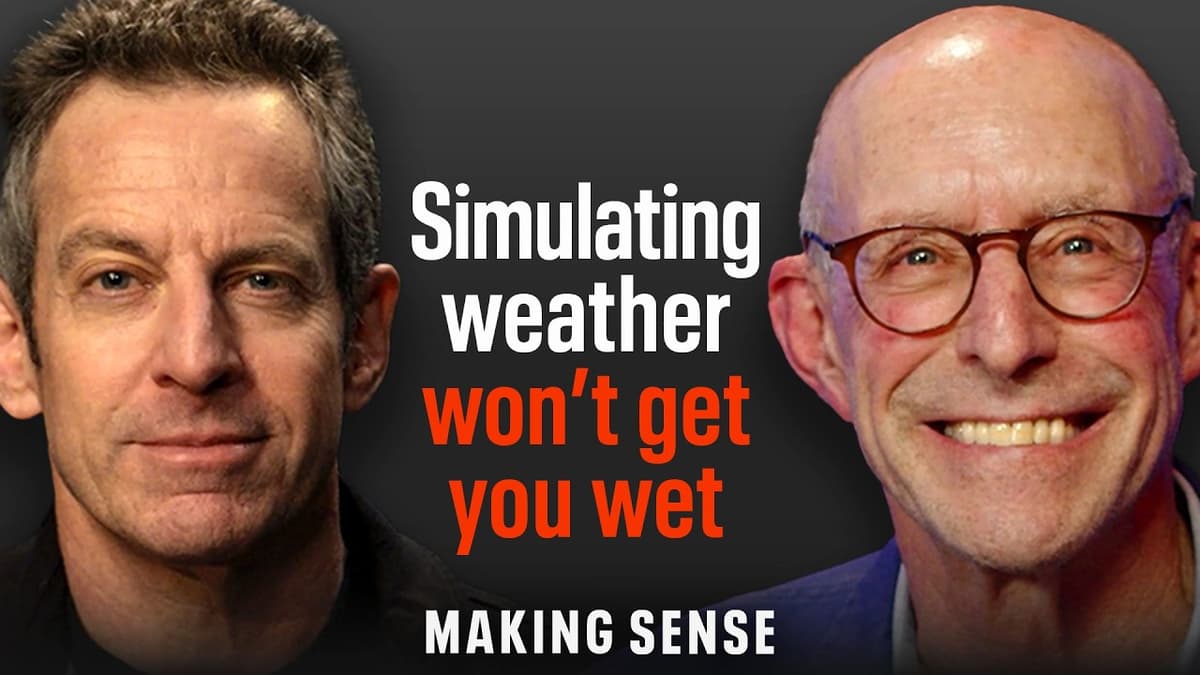
Michael Pollan on Consciousness, Psychedelics, and the Limits of Neuroscience
In this interview Michael Pollan explores how psychedelics have reshaped his inquiry into consciousness, linking his latest book “A World Appears” to earlier work “How to Change Your Mind.” He frames the conversation around the persistent “hard problem” of how...
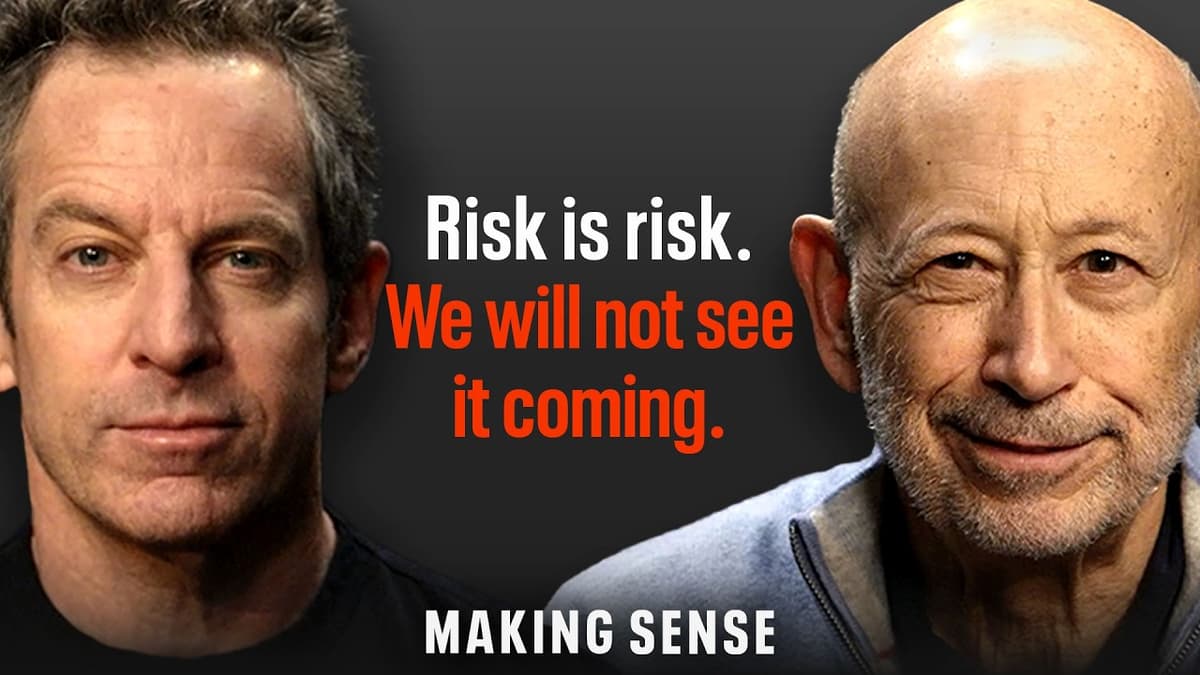
Why the Stock Market Has Become a Casino
The podcast frames today’s equity market as a casino where wealth concentrates among asset owners, widening inequality. Host Sam interviews former Goldman Sachs CEO Lloyd Blankfein, using his memoir as a lens to examine how financial intermediation has morphed into...
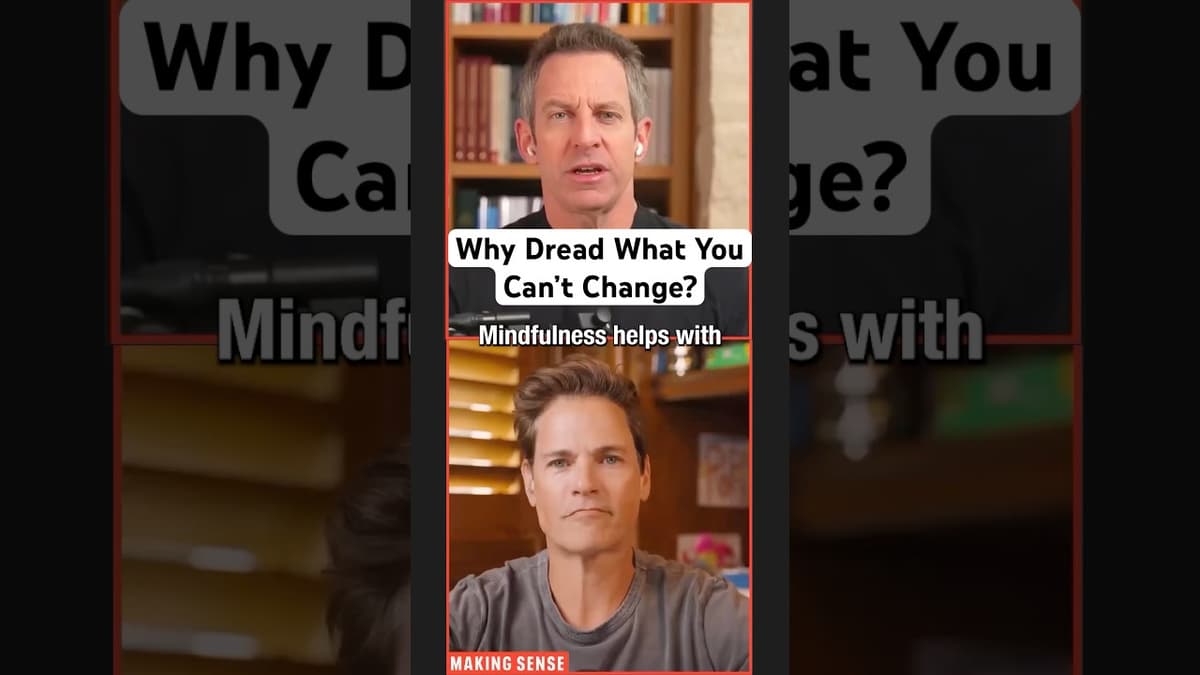
Why Dread What You Can't Change?
The video argues that mindfulness is a universal tool for handling any moment by first determining whether the situation is actionable or beyond your control. When a concrete action exists—whether it’s rescuing children from a fire or scheduling a necessary...

You Don't Have to Be Unhappy to Pay Attention to the World
In this episode of “More from Sam,” host Sam addresses audience‑submitted questions about anxiety, mindfulness, and the accelerating impact of artificial intelligence on work and daily life. Sam argues that unhappiness is not a necessary by‑product of staying informed, proposing a...

There's Nothing Special About Human Creativity
The video argues that human creativity is not a unique, untouchable faculty; instead, advances in artificial intelligence will eventually replicate and exceed any cognitive task performed at a keyboard. The speaker notes that white‑collar work is already being eroded by large...

If You Always Assume You're Being Lied To, You'll Believe Anything
The video argues that assuming constant deception creates a fertile ground for any conspiracy, a condition amplified by today’s frictionless online ecosystem. It links the rise of unfiltered misinformation to political actors—most notably former President Trump—who have turned conspiracy narratives...

We Are Dying by Clips
The video centers on a speaker’s reflection that a provocative question—"why can’t we eat babies?"—posed in a philosophy seminar ten years ago has resurfaced online, stripped of its academic context, and ignited a backlash. He uses this personal anecdote to...

FULL EPISODE: The Politics of Pragmatism and the Future of California (Ep. 464)
The episode features San Jose Mayor Matt Mayan outlining a pragmatic, results‑oriented approach to California’s chronic governance woes. He argues that the state’s high tax burden and wealth have been squandered by a bloated, litigation‑prone bureaucracy that stalls projects from zoning...