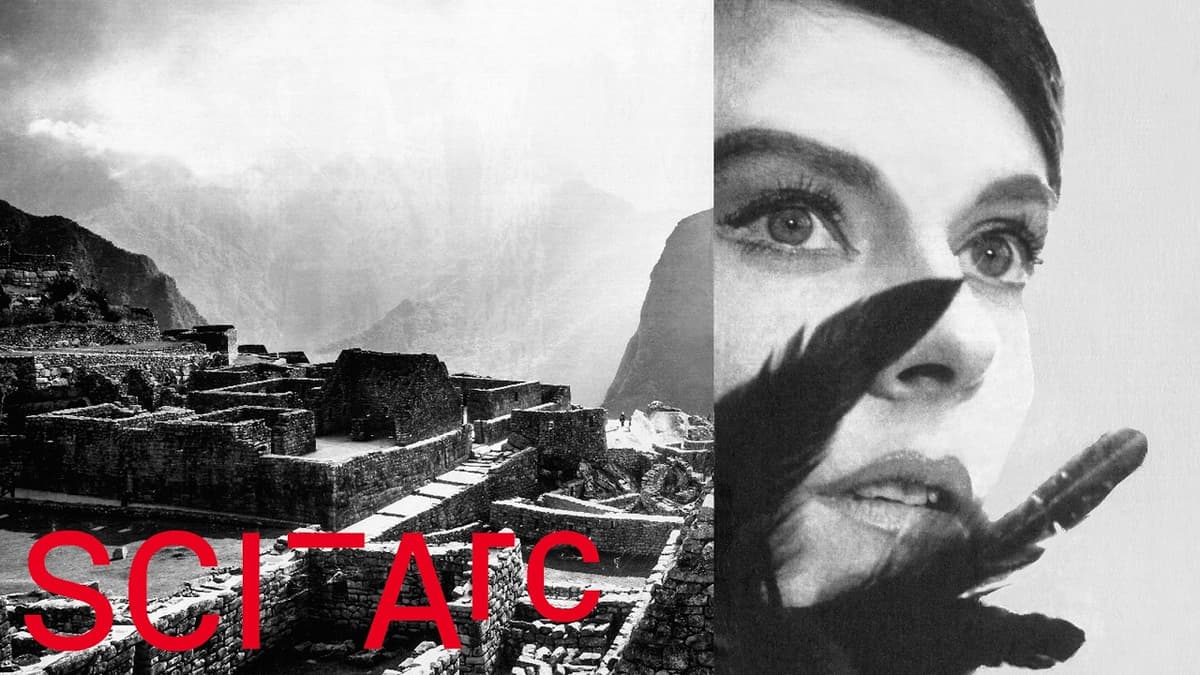
Split Diopter 2
"Split Diopter 2" is a documentary that captures the 2025 SCI‑Arc Gallery exhibition curated by Jan Tumlir and Reza Monahan. The show uses the split‑diopter lens—a half‑glass that keeps foreground and background simultaneously in focus—as a conceptual device to question today’s hyper‑clear visual culture. It assembles works by Uta Barth, Matthew Brannon, John Divola, Alex Israel, William E. Jones and Hedi El Kholti, alongside a soundtrack by Eyvind Kang and a split‑diopter dance piece. The film stitches these fragments into a single, immersive cinematic experience.

Nutritious Buildings: Thomas Heatherwick on Care, Story & the Human Scale
Thomas Heatherwick argues that the architecture industry stands at a turning point, urging a shift from purely monumental, visually striking buildings toward "nutritious" structures that nurture human health and emotion. He notes that 99.9% of projects repeat the same formula, neglecting...
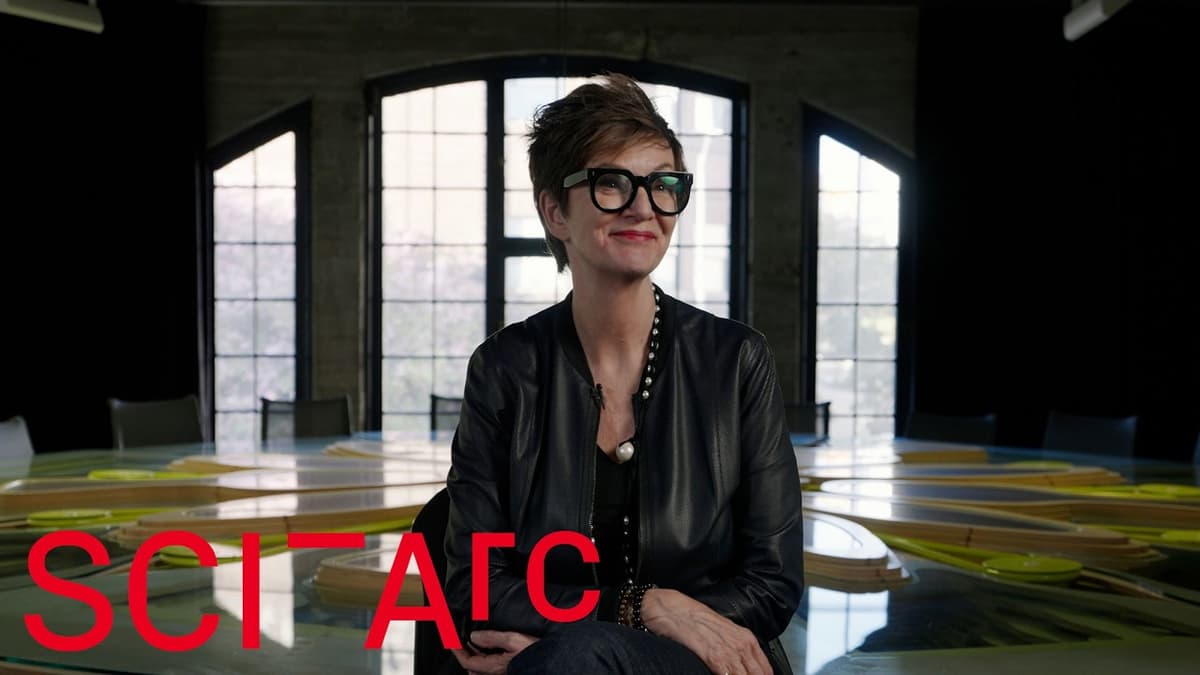
Winka Dubbeldam: A Vision For SCI-Arc
In a candid address, architect Winka Dubbeldam outlines her vision for Southern California Institute of Architecture (SCI‑Arc), emphasizing that the current turbulent climate offers a chance to accelerate innovation through rigorous design research. She argues that grounding projects in deep data,...