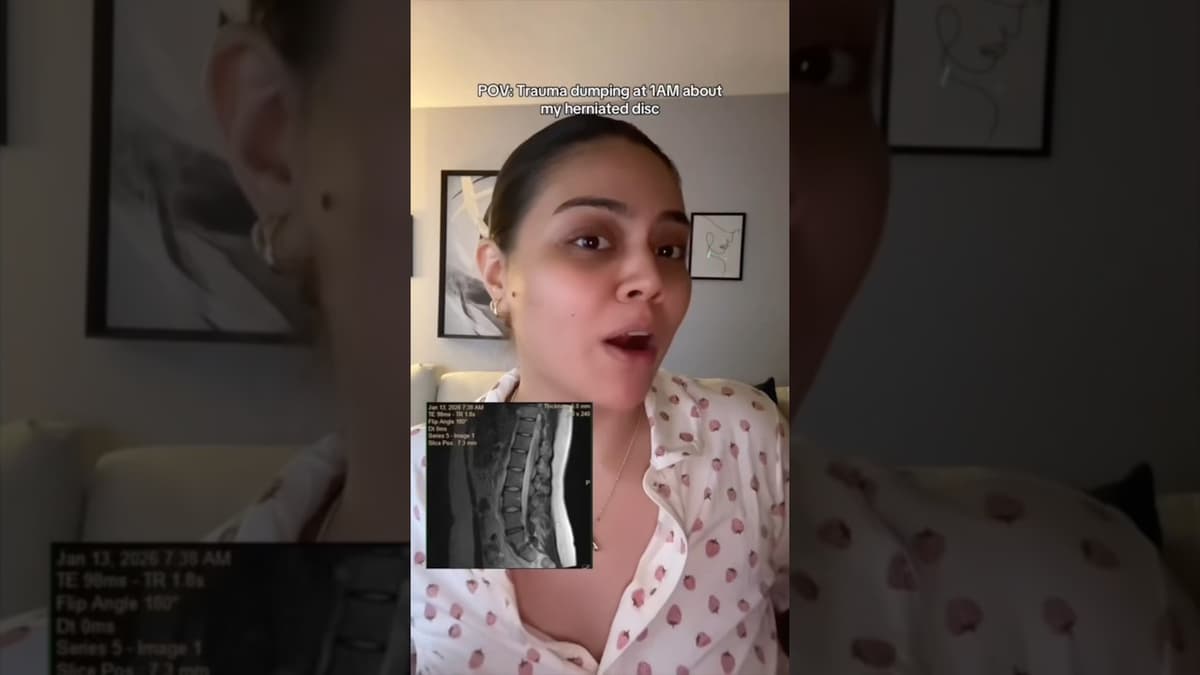
She Had A Herniated Disc For Years #backpain
The video focuses on chronic herniated‑disc pain and argues that conventional doctors often overlook a movement‑based diagnosis, leaving patients stuck with physical therapy and steroid shots that rarely work. The host demonstrates a simple in‑office test: pull upward from a neutral seated spine, then repeat while flexed and loaded. Pain that appears only in the flexed position signals a posterior‑lateral disc herniation that is flexion‑intolerant. He recommends practical interventions: place a rolled towel or lumbar roll while sitting, brace the core with lateral ab engagement, hinge at the hips when lifting, and lie prone for two minutes several daily. He warns, “If you’re at a practitioner that’s not doing these tests, you’re not at the right person for your back.” These cues empower sufferers to self‑manage symptoms, potentially reducing dependence on injections and costly imaging, while highlighting a market opportunity for clinicians who incorporate functional movement assessments into spine care.
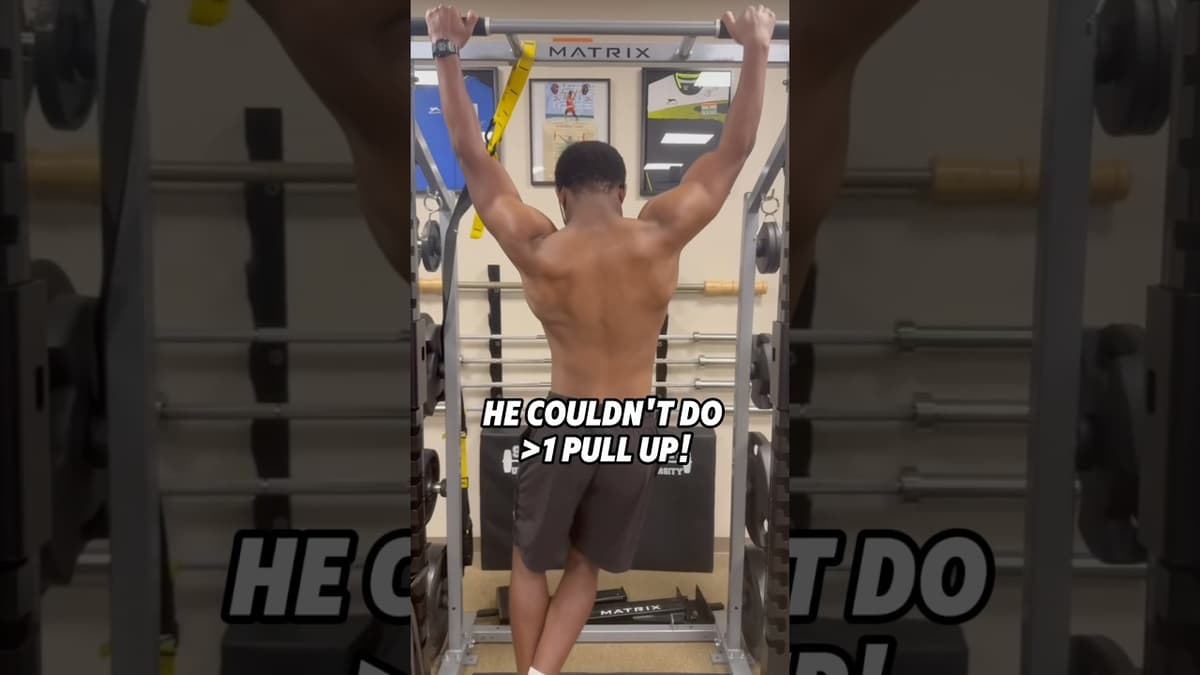
He Couldn’t Do Pull-Ups UNTIL…🤯
The video walks viewers through a systematic correction of a client’s pull‑up deficiency, highlighting how asymmetrical shoulder stability can cripple performance. The trainer identified a strong left lower trapezius but a markedly weak right counterpart, coupled with limited external rotation,...
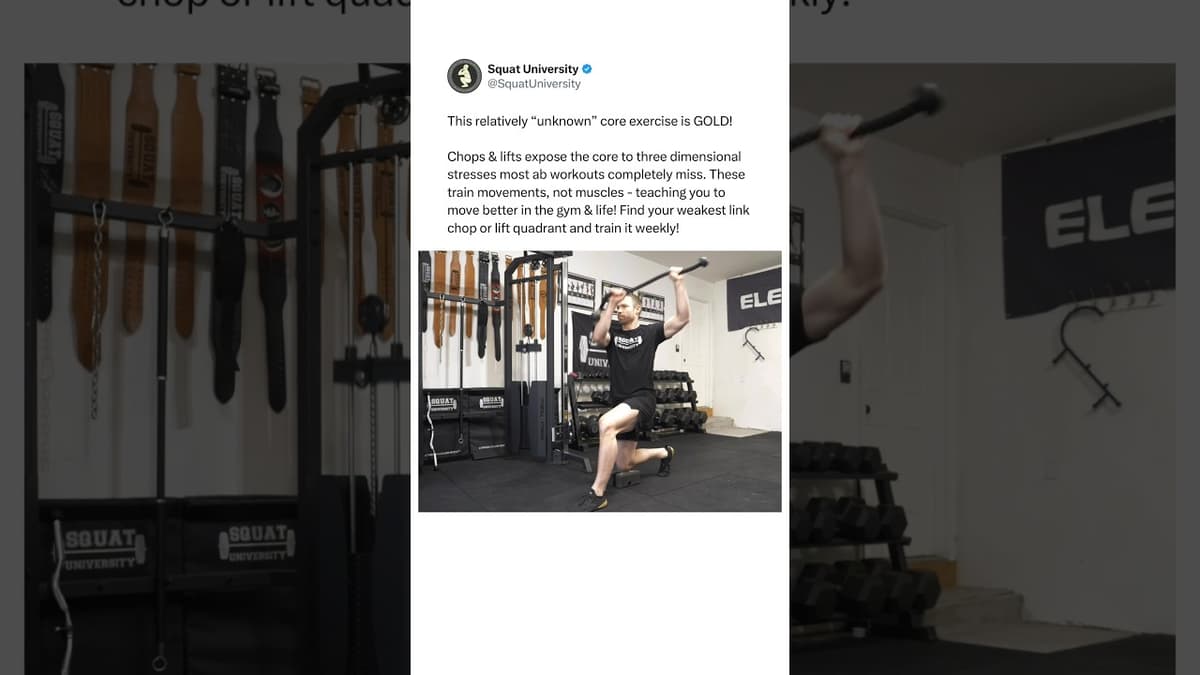
My New Favorite Core Workout!🥰
The video introduces a cable‑based core workout that emphasizes precise arm movements while the trunk remains a stable platform. Viewers are instructed to keep the cable close to the body, pull toward the center, and push away, ensuring the torso...
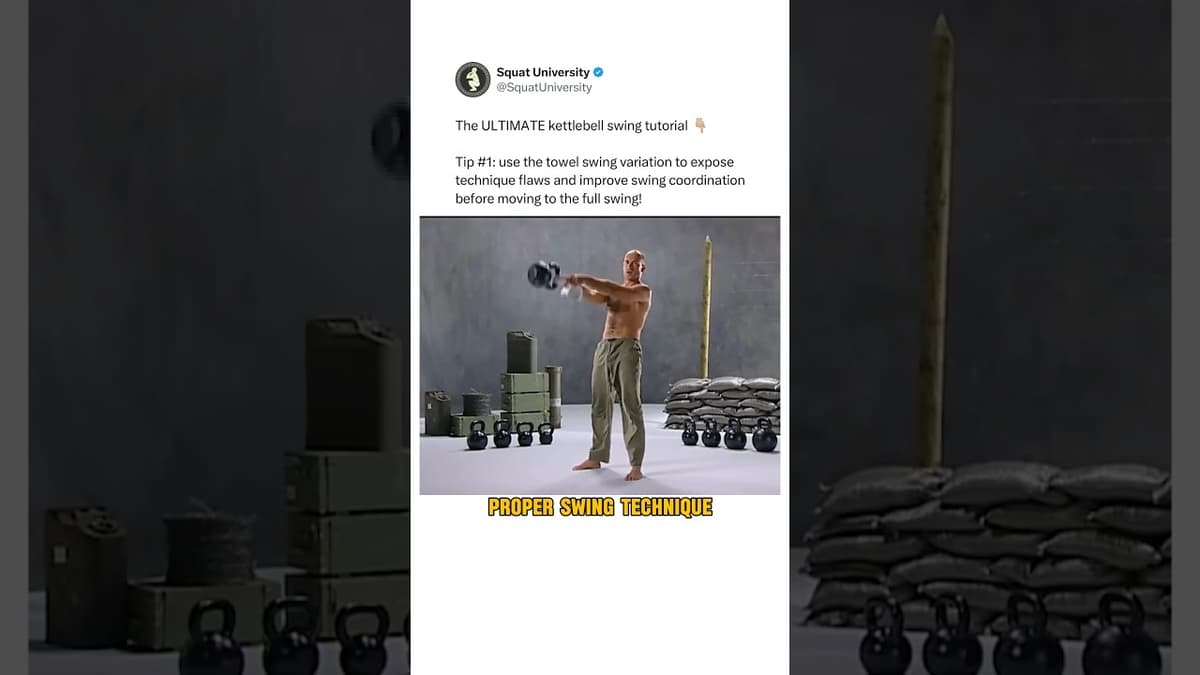
The ULTIMATE Kettlebell Swing Tutorial!😳
The video serves as a step‑by‑step tutorial on executing the kettlebell swing with optimal biomechanics. It opens by citing research that links the movement to stronger glutes, hamstrings, core stability, and improved cardiovascular endurance, while warning that many trainees mistakenly...
His Knee Was COOKED Until…(ZEROBOUNCE Recovery)
The video follows Zero Bounce’s rehabilitation of an athlete whose chronic knee pain had sidelined his basketball career for over a year. After countless failed medical consultations, a two‑hour assessment in St. Louis identified the root cause: insufficient hip stabilization...
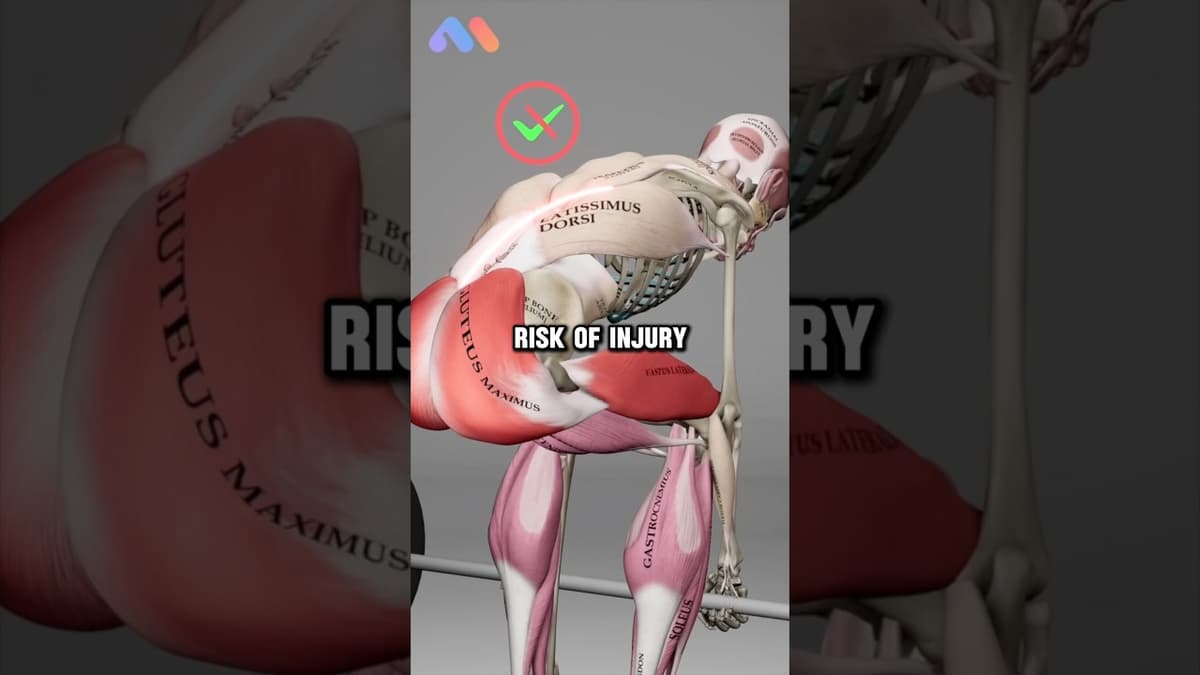
AVOID These 2 Deadlift Mistakes!🤯
The video tackles two fundamental deadlift errors that sabotage strength gains and elevate injury risk. It emphasizes the importance of positioning the bar against the shins at the outset, ensuring shoulders sit directly over the bar, and maintaining a low...
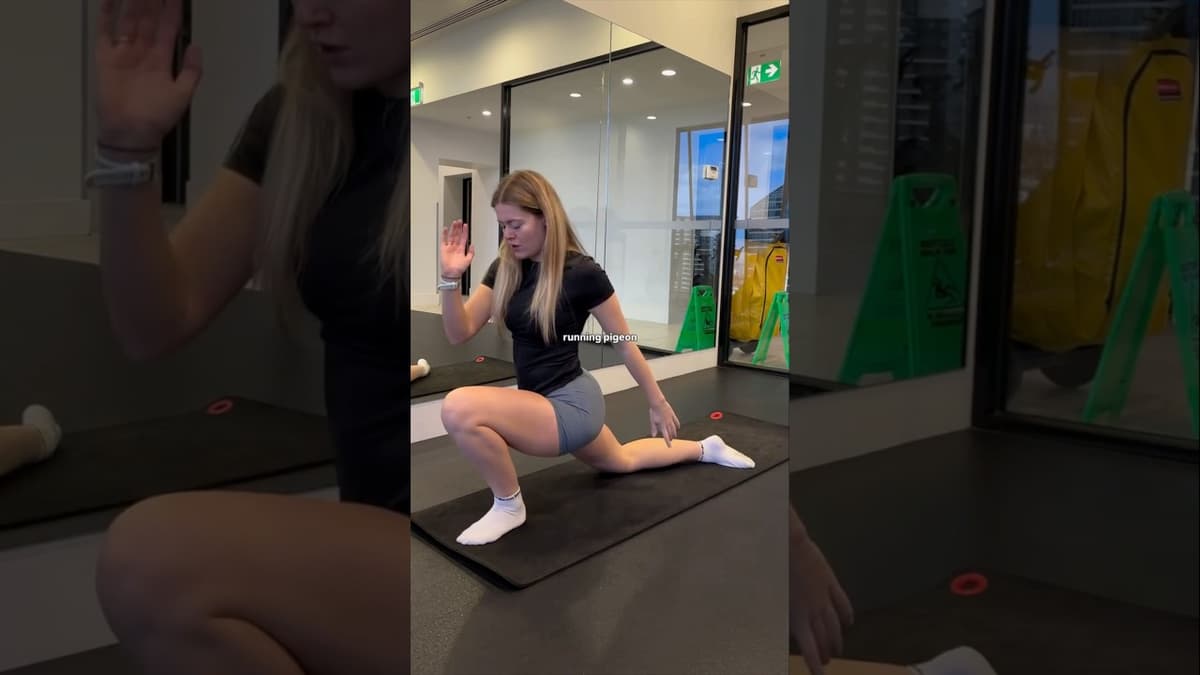
Her Drills To Unlock Stiff Hips Are GOLD!😍
The video demonstrates targeted drills to unlock stiff hips, using Cameron—a patient who flew from London after two years of pain when squatting or hinging past parallel. The clinician identifies that Cameron’s limited knee‑to‑chest range, despite greater internal rotation, points...
This Core Trick Changes Everything #fitness #workout #technique
Moving into a neutral spine—ribs stacked over pelvis—provides the foundation for core stability and safe heavy lifting. The video explains that this alignment distributes load evenly across the torso, making the spine most resilient to stress. The instructor demonstrates two steps:...
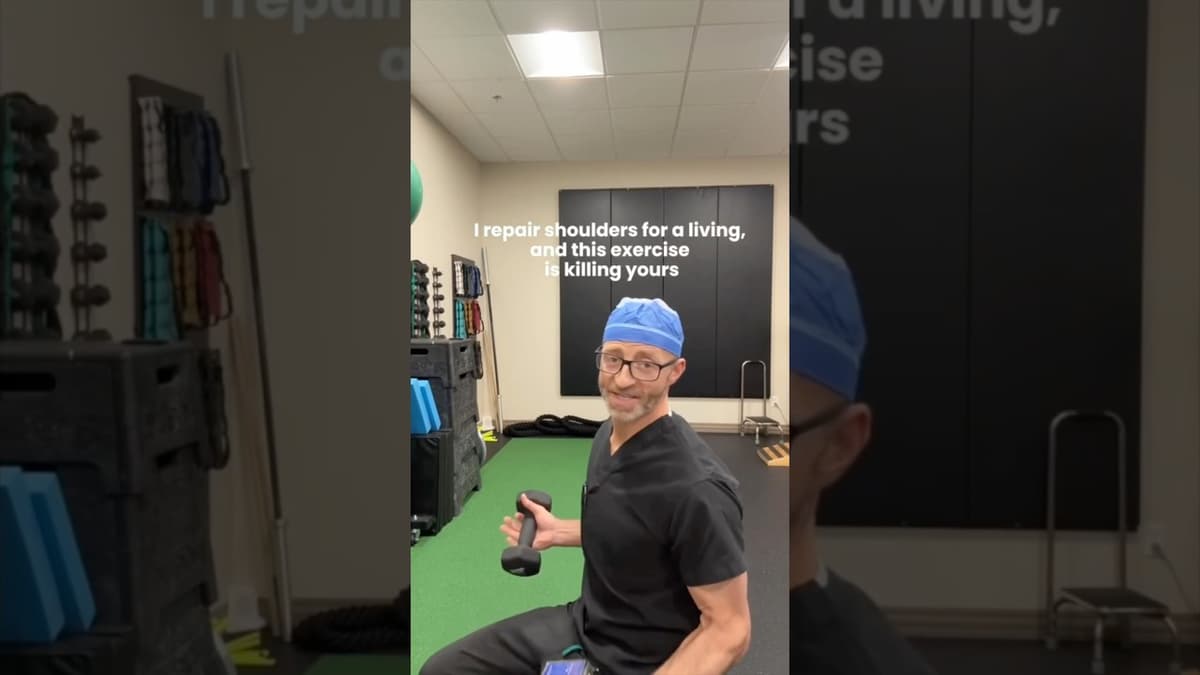
Military Press Is DANGEROUS? This Doctor Says...
The video features an orthopedic specialist warning that the overhead military press can be hazardous for shoulders when performed with poor mechanics. While the exercise is fundamentally safe, improper load progression and technique place excessive stress on the glenohumeral joint. The...

Olympic Champion's Knee Pain Solved | Physical Therapist Shows Exact Method
The video follows Dr. And Horschik, a physical therapist and strength coach, as he demonstrates a systematic three‑step OAT (Observe, Assess, Test‑retest) method to eliminate chronic left‑knee pain in an Olympic weight‑lifting champion. By first watching the athlete’s lift mechanics,...

Never Lift Wrong Again #backinjury #technique #fitness
The video focuses on correcting common lifting mistakes that lead to back injuries, emphasizing a step‑by‑step approach to safe technique. It stresses that a neutral spine, engaged core, and proper hip hinge are non‑negotiable fundamentals for any deadlift or squat. Key...

One Exercise to Fix Your Entire Lower Body #stability #glutes
The video introduces a single, low‑tech movement – the side‑plank clamshell – as a comprehensive fix for lower‑body dysfunction. By lifting the top foot while maintaining a side‑plank, the drill engages the gluteus medius, lateral abdominal wall, and challenges balance,...

Spine Decompression Made Her Taller?😳
The video introduces low‑cost spine decompression techniques that claim to add a few millimeters to height. It starts with a DIY towel method—one towel under the lower back and another under the neck—for ten minutes daily, explaining that traction can...

SCARY TRUTH About Tight Hamstrings!
The video explains why tight hamstrings often originate from core instability rather than muscle shortening, using a clinical case to illustrate the concept of relative stiffness. The practitioner evaluated a patient with chronic back and hip pain whose hamstrings felt tight....

Knee Pain? Here's What's Actually Wrong! (LIVE EVALUATION)
In a live session, a physical therapist evaluates ZeroBounce1’s knee pain, walking viewers through a step‑by‑step assessment that pinpoints movement imbalances. The video explains the OAT (Observe, Assess, Treat) framework, demonstrates real‑time testing, and retesting to verify progress. An individualized...