

GrimAge Predicts Mortality in Centenarians Beyond Immune Aging
Advances in precision geriatrics. GrimAge methylation clock works in centenarians. Striking new preprint from the Henne Holstege lab (Yaran Zhang et al., 100-plus Study) in n=247 cognitively healthy Dutch centenarians: GrimAge predicts mortality at extreme old age (HR ≈ 1.6 per SD increase). New to me that GrimAge still discriminates past 100. Mechanism: GrimAge tracks the age-related myeloid shift in peripheral blood (monocyte/lymphocyte ratio r = 0.47). Consistent with declining adaptive immunity and expanding innate compartment. But the myeloid shift doesn't fully explain the signal. After adjusting for MLR and RBC, GrimAge still predicts mortality (HR = 1.27). GrimAge is reading something beyond immune-aging. Interestingly, GrimAge is uncorrelated with cognitive assessment (MMSE r = −0.04) and plasma NfL (r = 0.12), i.e. independent of brain aging. While MMSE predicts short-term mortality (1–3 years), GrimAge predicts longer-term mortality (>3 years). Combining them improves mortality prediction. Zhang et al (2026) Peripheral Epigenetic Aging Predicts Survival in Cognitively Healthy Centenarians Independent of Brain Aging-Related Biomarkers https://t.co/3AiCKJYhxf

Experts Weigh Pros and Cons of At‑home Biological Age Tests
What's your biological age? Experts explain the benefits and risks of at-home tests https://t.co/NSr8O4EGnU via @nbcnews

Vitamin C Blocks Ferro‑aging, Boosting Longevity in Primates
Simple nutrients, serious science. March 2026 is turning into a good month for longevity research on everyday supplements. First, a Nature Medicine paper (COSMOS trial) showing daily multivitamins modestly slowed epigenetic aging clocks (GrimAge and PhenoAge) in older adults: around...
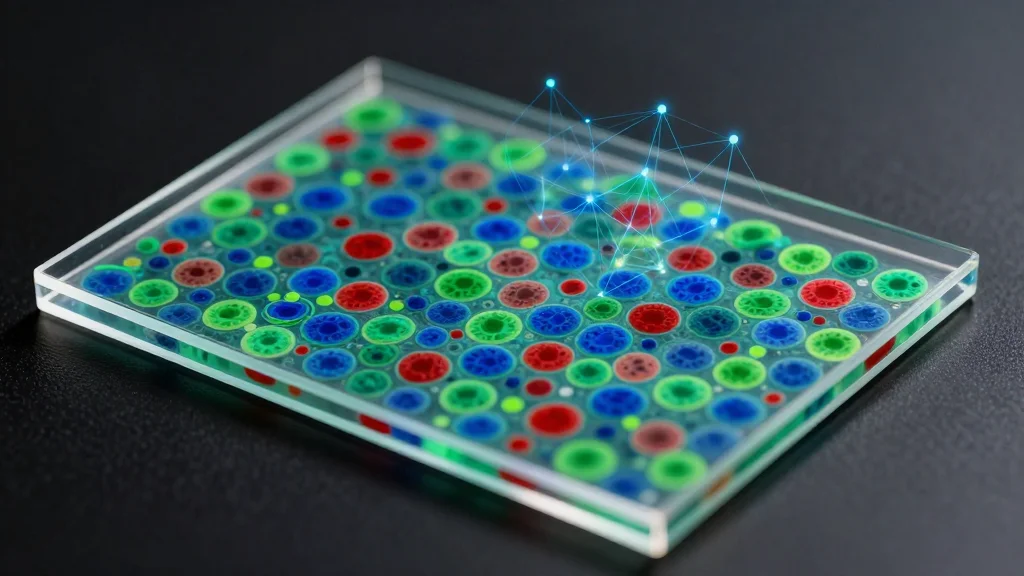
Cell Painting Images Predict Cellular Age Without Methylation
A model that predicts cellular age from Cell Painting microscopy images alone. No DNA methylation needed. The model captures morphological aging hallmarks across nuclear and cytoplasmic compartments, correlates with chronological age AND epigenetic clocks. The promise: screen for rejuvenation compounds...
Single‑cell Methylation Reveals Age
Epigenetic aging happens at different rates in individual cells within the same tissue. Using single-cell DNA methylation analysis, Hagit Masika, Tommy Kaplan, Howard Cedar, and colleagues show polycomb CpG island methylation creates 'young' vs 'old' cell subpopulations even at fixed...

Adenine Methylation Forms New Linear Brain Aging Clock
A completely novel axis of epigenetic aging. N6-methyldeoxyadenosine (N6medA), i.e. NOT the usual 5 methyl cytosine, increases linearly with age in human prefrontal cortex (r=0.95). Genome-wide profiling reveals age-associated ADENINE methylation changes reminiscent of classic CpG based epigenetic clocks. Abdur...