

Marines Retired the Harrier. Here’s Why They Loved It
The video commemorates the retirement of the Marine Corps AV‑8B Harrier II, the world’s first operational vertical/short‑takeoff‑and‑landing jet, and examines why the aircraft earned such devotion among Marines. Its unique V/STOL capability let the jump‑jet operate from amphibious assault ships, forward airfields, and even improvised pads, delivering close‑air support, reconnaissance, and rapid response directly to the front lines. Key insights highlight the Harrier’s combat pedigree and engineering trade‑offs. While its payload was limited compared with conventional fighters, its proximity to the battlefield enabled higher sortie rates, fuel savings, and decisive strikes in the 1982 Falklands conflict, the 1991 Gulf War, and the 2003 Iraq invasion. The AV‑8B’s composite airframe improved performance, yet the aircraft suffered a historically high Class A mishap rate until the Corps invested in intensified pilot training and maintenance resources, which dramatically lowered accidents. The narrative is punctuated by veteran pilots’ anecdotes and excerpts from Lon Nordeen’s "Harrier II: Validating V/STOL." Lieutenant Colonel Dick White described Harriers as “Harrier hunting ground” in Southern Kuwait, while pilots Mike Rountree and Richard Rusnok recalled life‑saving overwatch missions and the intense cognitive load of manually managing throttle and nozzle controls. Nordeen’s quote that accident rates fell whenever leadership focused on safety underscores the human factor in the jet’s operational record. Looking ahead, the transition to the F‑35B Lightning II promises to retain the Harrier’s expeditionary flexibility while adding stealth, advanced sensors, and automated flight‑control systems that reduce pilot workload. This shift signals a broader modernization of Marine air power, emphasizing network‑centric warfare and multi‑domain integration over the legacy of manually intensive V/STOL platforms.

What It Would Take to Invade Kharg Island
The video explores the logistical and tactical requirements for a U.S. operation to capture Iran’s Kharg Island, a critical oil‑processing hub that handles roughly 90% of the nation’s crude output. The discussion was sparked by a former President’s social‑media claim...

What The Iran War Is Showing Us About The US Military
Operation Epic Fury, the two‑month Iran war that began on Feb. 28, served as a live stress test for the U.S. military. Analysts used the conflict to evaluate three core pillars – carrier‑based air power, high‑cost interceptors, and the vulnerability...

Army's New GRIZZLY Counter-Drone System in Testing #army #drones #counteruas
The U.S. Army has begun field‑testing a new counter‑drone system dubbed “Grizzly” at the Yuma Proving Ground. The system is designed to neutralize low‑cost, Group‑3 attack drones—such as the Shahed‑type loitering munitions that have plagued forces in the Middle East...

How Ukraine Is Hammering Russia’s Supply Lines
The video explains Ukraine’s new “logistics lockdown” – a middle‑range drone campaign that strikes Russian supply nodes 30 to 180 kilometres behind the front line. By allocating roughly $13 million to expand these capabilities, Kyiv is fielding systems such as the...

What China Thinks of America’s F-47 Fighter
The video examines China’s reaction to the United States’ upcoming F‑47 sixth‑generation fighter, a centerpiece of the Air Force’s ENGAD program intended to replace the F‑22. While official Chinese outlets publicly mock the project as an expensive Boeing bailout, the...

1,300 Marines with the 24th MEU Have Deployed to the Caribbean
The U.S. Marine Corps has moved 1,300 Marines from the 24th Marine Expeditionary Unit into the Southern Command area, relieving the 22nd Marine Wing that has been on the ground for ten months. The incoming troops will operate under a...

Congress Has some Concerns over the Trump-Class Battleship
The video highlights Congress’s emerging opposition to the proposed Trump‑class battleship, the Navy’s newest heavy‑surface combatant concept. Lawmakers are demanding that the Navy demonstrate the maturity of next‑generation weapons—railguns, high‑energy lasers and other prototype systems—before committing billions to the ships. They...

SOCOM Getting New Rifle to Replace SCAR-H
U.S. Special Operations Command (SOCOM) announced that its long‑standing SCAR‑H platform will be retired this year in favor of a new rifle, the Mark 24 Mid‑Range Gas Gun Assault. The Mark 24 is an AR‑style system that can fire both 7.62×51 mm NATO and...

Green Berets Testing Glider Drones for Sneaky Resupply
U.S. Army Special Forces (Green Berets) are evaluating low‑observable glider drones as a covert resupply method for troops operating in contested or remote environments. The prototypes, derived from hobby‑grade sailplane designs, can be launched from a small vehicle, glide silently,...
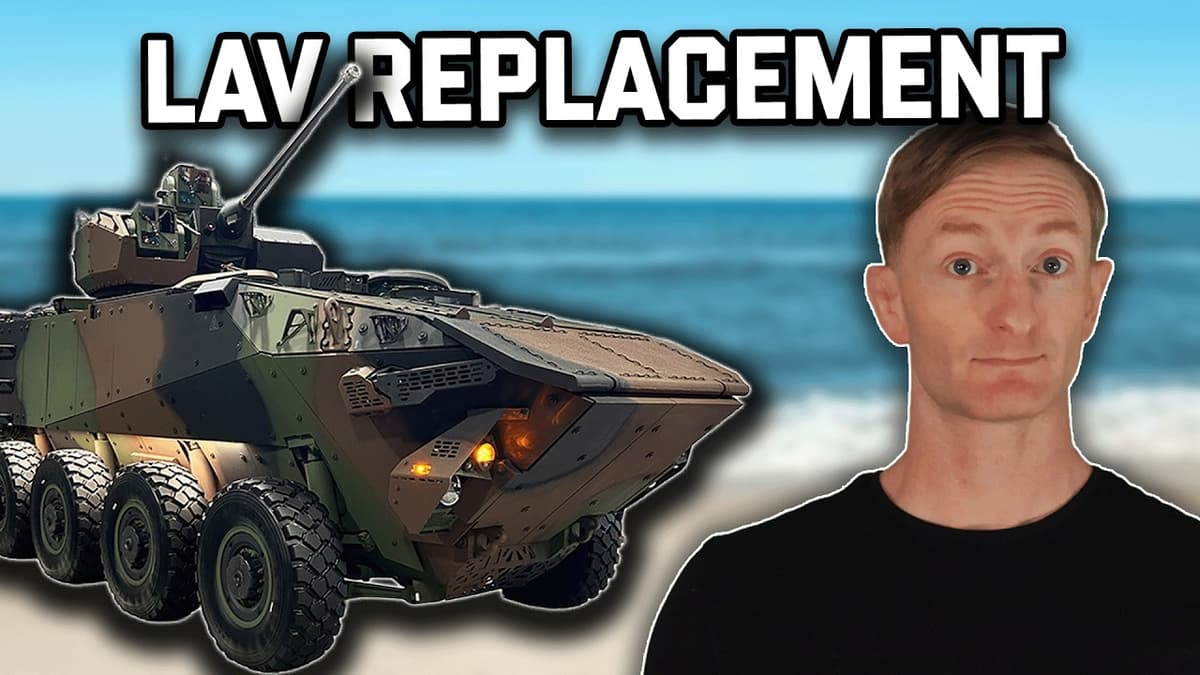
What Is Going On With The Marines’ LAV Replacement?
The Marine Corps is moving to replace its legacy Light Armored Vehicles with a new Advanced Reconnaissance Vehicle (ARV) family. In April, General Dynamics Land Systems and Textron Systems each received a $450 million contract to build pre‑production prototypes of three...

Army Buying $10 Million of Rifle Smart Scopes to Counter Small Drones
The U.S. Army is spending roughly $10 million on Smart Shooter’s Smash 2000LE (sometimes labeled Smash 3000) smart scopes, a new counter‑UAS solution aimed at the growing small‑drone threat at the fire‑team level. The device integrates a built‑in display, autonomous target...

Borsuk: Poland’s Homegrown IFV That Floats
Poland has begun fielding the Borsuk, a domestically‑produced infantry fighting vehicle that trades the heavy armor of many Western designs for a lighter, amphibious platform. Weighing about 28 metric tons, the tracked IFV carries a three‑person crew, six dismounts, and a...
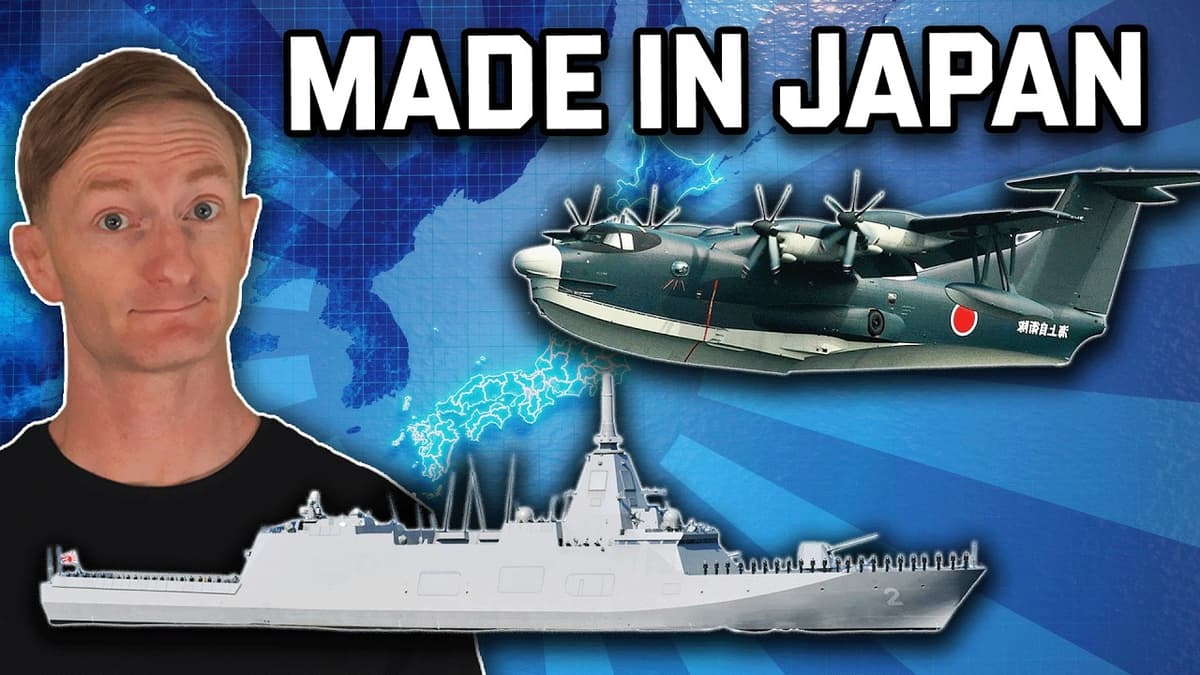
Why Japan Is Suddenly Selling More Weapons
Japan has moved from a strictly domestic defense supplier to an emerging global arms exporter, spurred by a series of policy relaxations culminating in April 2026 that allow case‑by‑case approval of serious weapons sales. The timing coincides with a $3 trillion annual...

The Marine Corps Is Starting up an Alaska Rotation for the Arctic
The Marine Corps announced the start of an Arctic rotation in Alaska under the initiative dubbed "Campaign Alaska," signaling a shift toward more frequent cold‑weather operations. The program will expose Marines to extreme cold, requiring specialized equipment such as insulated "happy...