
COMFORT IS COSTING YOU EVERYTHING
The video explores how comfort and avoidance of conflict can exact hidden costs, urging viewers to choose short‑term difficulty for long‑term ease. It contrasts the speaker’s father, who shunned confrontation and later suffered personal setbacks, with the speaker’s own decision to confront a career doubt, illustrating the power of early course correction. Notable lines include, "If you choose hard today, you usually get easy tomorrow," and the warning, "Don’t mistake easy street for the end." The message urges professionals to embrace discomfort, make decisive calls early, and avoid complacency, positioning proactive struggle as a strategic advantage in career and life.
YOU WILL NEVER SEE DISCIPLINE THE SAME AGAIN
The video reframes discipline as a negotiation among competing neural networks rather than a single‑minded will, arguing that our brains consist of 86 billion neurons organized into rival “teams” that constantly vote on our actions. It explains how these internal factions generate...
TRAUMA TRIANGLE SHAPES WHO YOU ARE AS AN ADULT
The video introduces the "childhood development triangle," a framework that maps how early experiences shape three core scripts—safety, friendship, and love—that adults carry into their professional and personal lives. By internalizing these scripts, individuals develop automatic coping mechanisms that dictate...
Peptide Expert: The Breakthrough Drugs Big Pharma and the FDA Buried!
The video explores the rapidly evolving peptide landscape, highlighting a controversial new peptide that promises dramatic belly‑fat loss and unprecedented liver‑health benefits. The host and Dr. Alex Tatum discuss how the FDA’s upcoming decision to legalize seven peptides could upend...
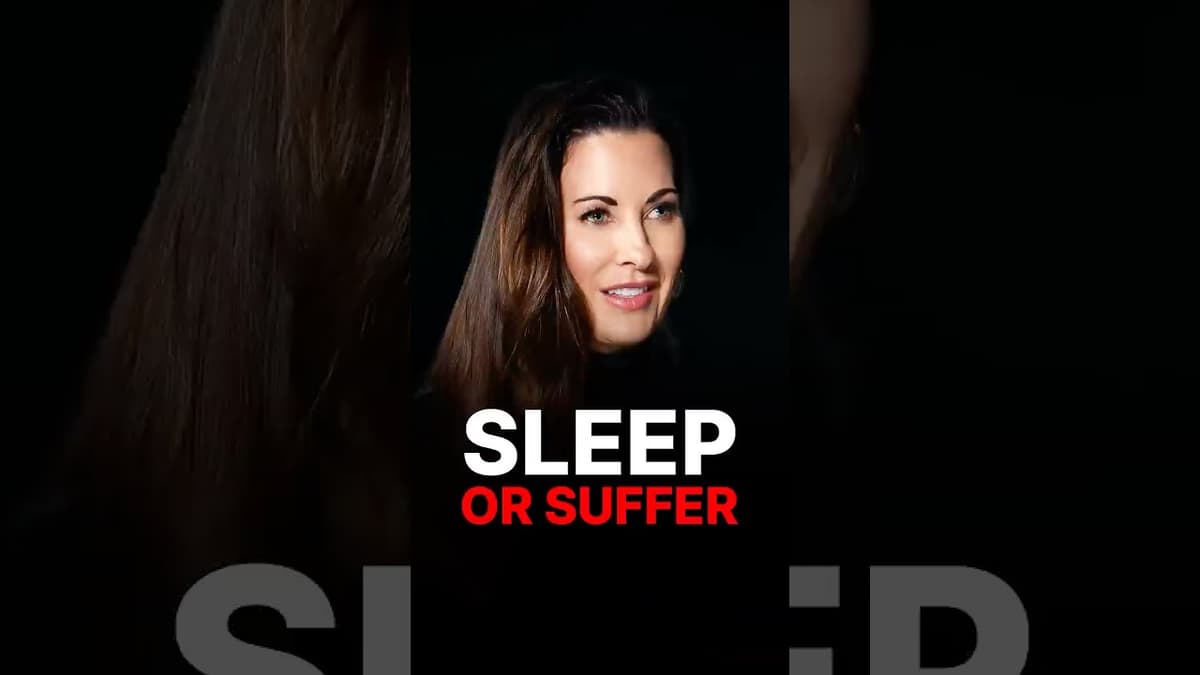
SLEEP IS MORE IMPORTANT THAN YOU REALISE!
The video spotlights how irregular sleep—specifically staying awake between 10 p.m. and 4 a.m. for two nights a week over roughly 25 days a year—effectively makes a person a shift worker and disrupts the body’s natural circadian rhythm. It argues that this...

HOW DOES POWER REALLY WORK?
The video features Professor Ian Bremer, a leading political scientist, discussing his annual risk report and highlighting three top threats: an imminent US political revolution, the likely defeat of former President Trump, and a dangerously advanced artificial‑intelligence model that was withheld...
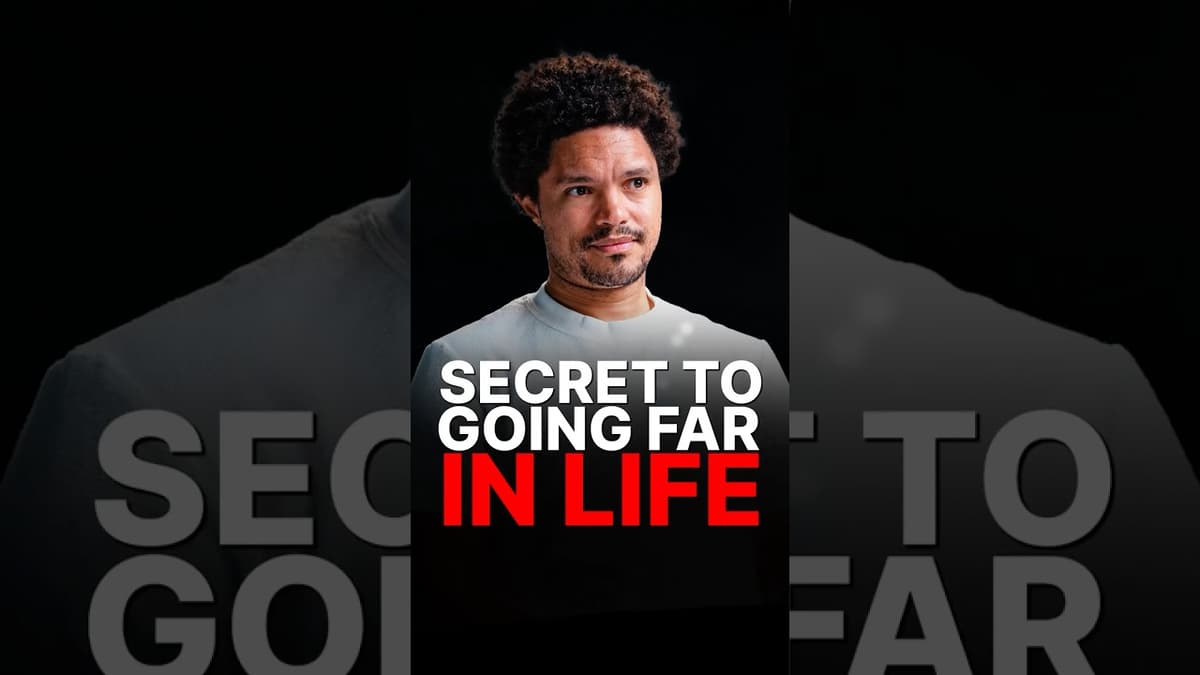
GO FAR IN LIFE BY AVOIDING THIS MISTAKE
The video challenges the popular “self‑made” narrative, arguing that no major achievement is truly solitary. It frames the mistake of trying to succeed alone as a barrier to progress. The speaker cites mountaineering and polar exploration—Everest, the South Pole—as proof that...
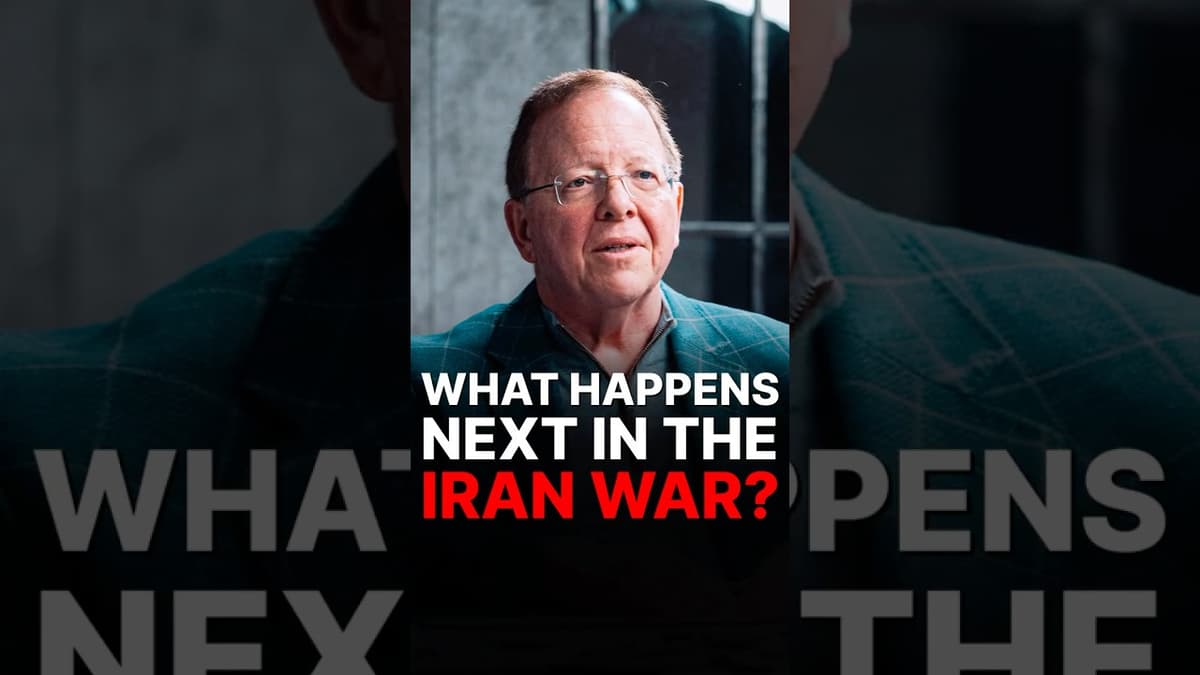
WHAT HAPPENS NEXT IN THE IRAN WAR?
The video discusses speculation about the next phase of the conflict between Iran and the United States, suggesting that U.S. actions have inadvertently bolstered Iran’s drone capabilities and that decision‑making in the White House is increasingly chaotic. The speaker highlights several...

HOW DOES IVANKA TRUMP HIRE?
In a candid interview, Ivanka Trump outlines the core principles that guide how she selects employees, emphasizing that trust and personal integrity outweigh résumé credentials. She says she looks for candidates with a strong sense of self, agency, and good judgment—self‑starters...
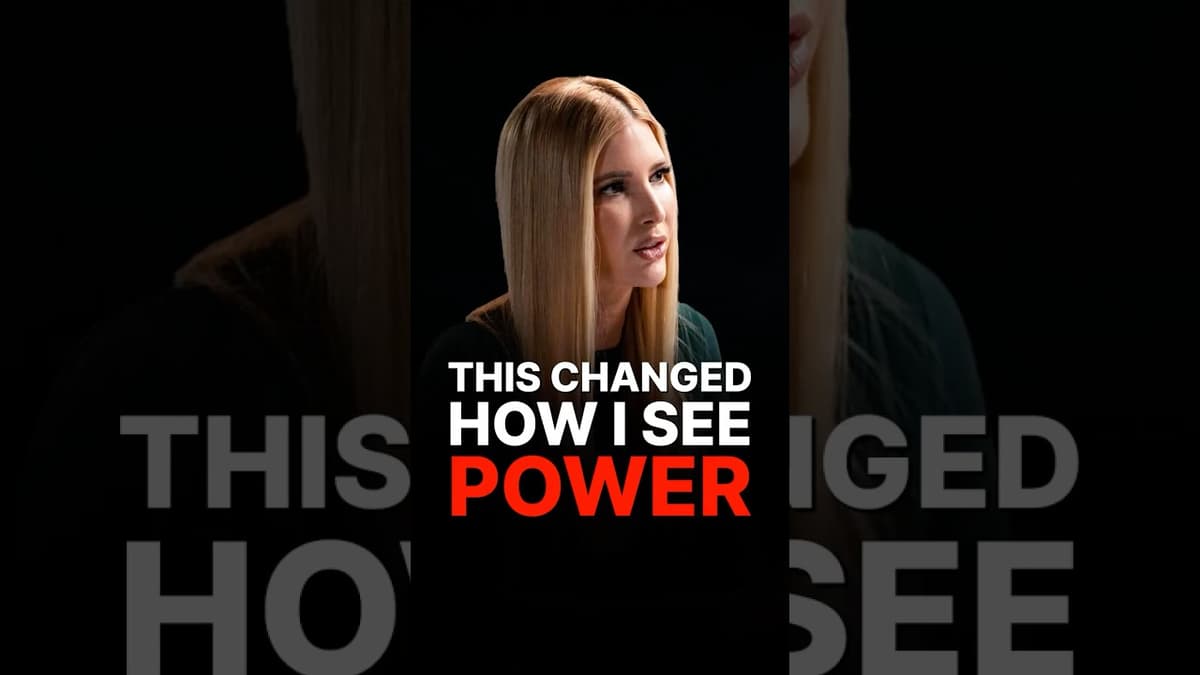
IVANKA TRUMP LIKE YOU'VE NEVER SEEN BEFORE
The video features Ivanka Trump reflecting on her upbringing, career, and the moment her father entered politics. She attributes her drive to her mother’s emphasis on intention and the strategic advantage of being underestimated, lessons that propelled her from real‑estate...

Ivanka Trump: I Learned What Most People Never Do at 9 Years Old!
Ivanka Trump sits down to reflect on the formative lessons she absorbed as a child of high‑profile, affluent parents. She credits her mother’s emphasis on intentionality and her grandmother’s nurturing love for instilling discipline, ambition, and a habit of reading...

BITCOIN WILL GO TO ZERO
The video argues that Bitcoin’s fundamental design—proof‑of‑work mining—makes it dependent on enormous energy consumption, and that this reliance could ultimately drive the cryptocurrency to zero value. The speaker, an economist, explains that each new block requires roughly ten minutes of...

YOU COMMIT 3 FELONIES A DAY?!
The video argues that the average American unknowingly violates three felonies each day, a claim drawn from Harvard law professor Harvey Silverglate’s book “Three Felonies a Day.” It links this over‑criminalization to a post‑9/11 legal shift that permits intelligence agencies...

BEWARE OF BLACK PLASTICS!
The video spotlights a hidden kitchen hazard: black plastic containers, often manufactured from recycled electronics, that leach toxic flame retardants, BPA, and phthalates into food. The host demonstrates how these materials, especially when heated or combined with acidic, spicy foods,...

STOP TOUCHING RECEIPTS IMMEDIATELY! 😱
The video warns that everyday thermal paper receipts are coated with bisphenol A (BPA), a chemical used to trigger the heat‑based printing process. BPA readily penetrates the skin, especially when combined with lotions or hand sanitizers, which act as carriers and...