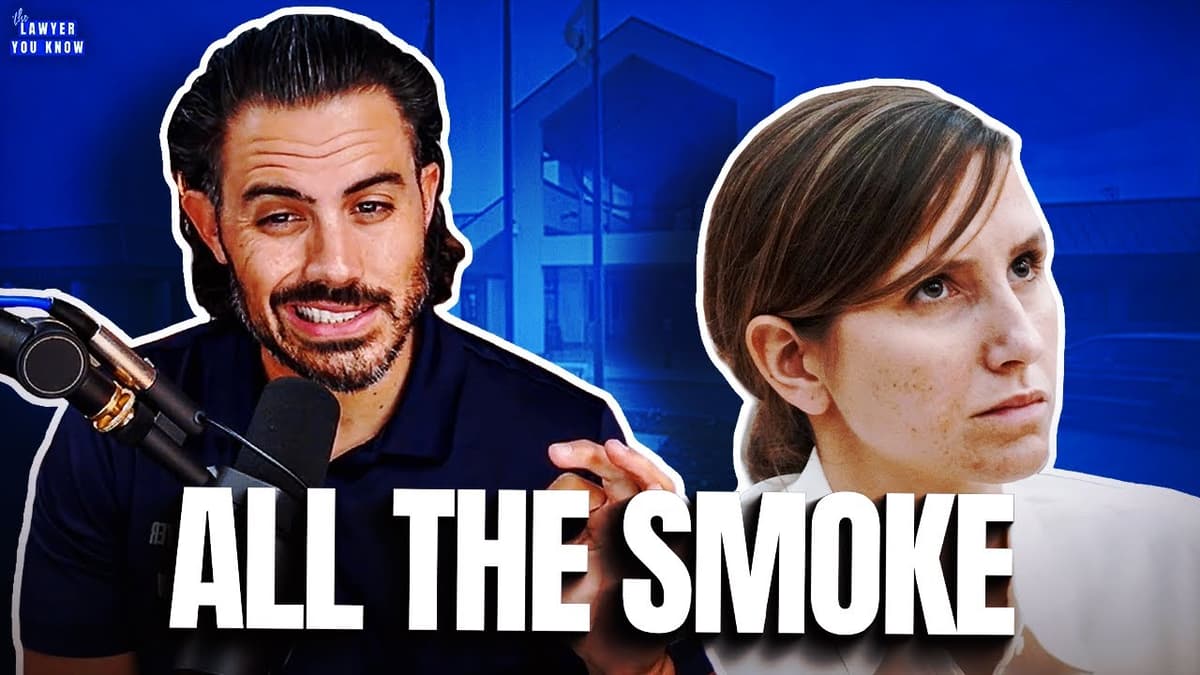
Real Lawyer Reacts: Richins Sentencing Memo Cuts DEEP
The video dissects the Utah state’s sentencing memorandum for Corey Richens, convicted of murdering her husband with poison while their three children watched. The memorandum requests a life‑without‑parole term on the aggravated murder count, followed by consecutive sentences for two counts of attempted aggravated murder, two insurance‑fraud counts, and a forgery count, totaling potentially decades beyond life imprisonment, plus restitution exceeding $2.7 million and a protective order. Key data points include the prosecutor’s emphasis on public safety, deterrence, and incapacitation, citing the heinous nature of homicidal poisoning and the financial motive tied to life‑insurance payouts. The memo outlines aggravating factors—premeditated killing, presence of children, and monetary gain—while acknowledging limited mitigating factors such as the defendant’s prior clean record. It also notes the state’s earlier decision to forego the death penalty, simplifying the trial and appeal process. Notable excerpts feature the prosecutor’s stark language: “She should never again lurk among us,” and the observation that poisoning is historically deemed “the most detestable” method of homicide. The memo references the victim’s birthday, the children’s trauma, and the strategic exclusion of prejudicial evidence to avoid appellate complications. If the judge follows the memorandum, Richens will face life without parole plus stacked terms, effectively ensuring she never re‑enters society. The outcome underscores Utah’s tough stance on financially motivated murders and sets a precedent for handling cases where children witness the crime, balancing retribution with potential rehabilitation considerations.
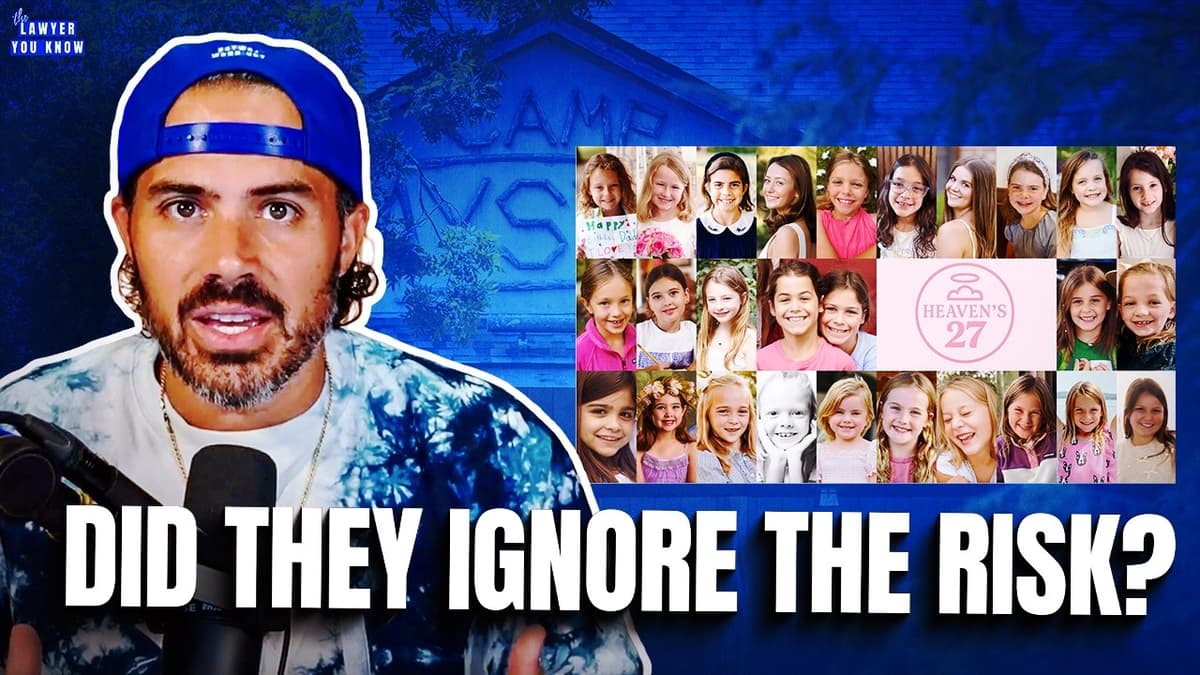
Camp Mystic: The Flood, The Failures, and the Fight for Justice
The July 4, 2025 flood at Camp Mystic, a century‑old girls’ camp in central Texas, claimed 28 lives—including 25 children—and left one camper missing. Families have filed multiple lawsuits accusing the camp’s operators of gross negligence, sparking statewide scrutiny of camp safety...
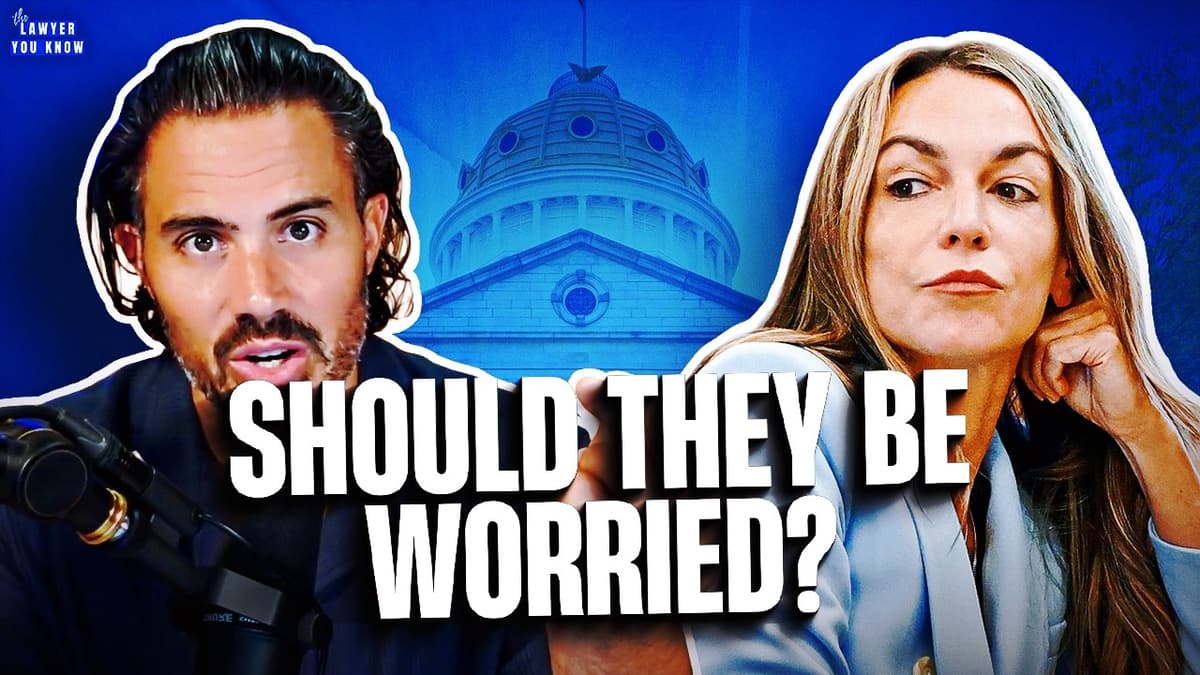
A+ Judge in Read's Hearing + Will the O'Keefes Get Turtleboy's Phone Records?
The video breaks down a recent civil hearing in the Karen Reed wrongful‑death lawsuit, where Paul O’Keefe’s estate is suing CNC Hospitality and the Town of Canton. The focus is on a motion to compel the town to produce documents...

Lively and Baldoni Settle - Why Now and Who Won?
The video dissects the recent confidential settlement between actor‑producer Justin Baldoni and actress Blake Lively, focusing on why the parties chose to end a highly publicized dispute without a disclosed monetary figure. The host, a civil‑lawyer commentator, outlines the procedural...
Is DA Running on Read & Birchmore? Dangerous Proposition or Genius Play? + Proctor Phone Discussion
The episode centers on two intertwined stories: a court order allowing civil plaintiff Karen Reed to incorporate data extracted from former State Trooper Michael Proctor’s cell phone, and a candid discussion with Adam Deitch, a former federal prosecutor now vying...
Sarah Boone's Appeal Is Finally Here - Was It Worth the Wait?
The video dissects Sarah Boone’s appellate brief, which challenges several trial‑court rulings in her 2020 homicide case. The appellant argues that opening statements were improperly curtailed, that the state’s discovery violations were not fully remedied, and that the jury received...
Proctor Phone Hearing - Specific Disgusting Content Aired Out - What Will Change?
The hearing centered on whether the protective order shielding Michael Proctor’s cell‑phone can be broadened to allow its contents in additional civil actions. Plaintiffs, led by Karen Reed, argue the data is essential to prove negligent‑hiring and supervision claims against...
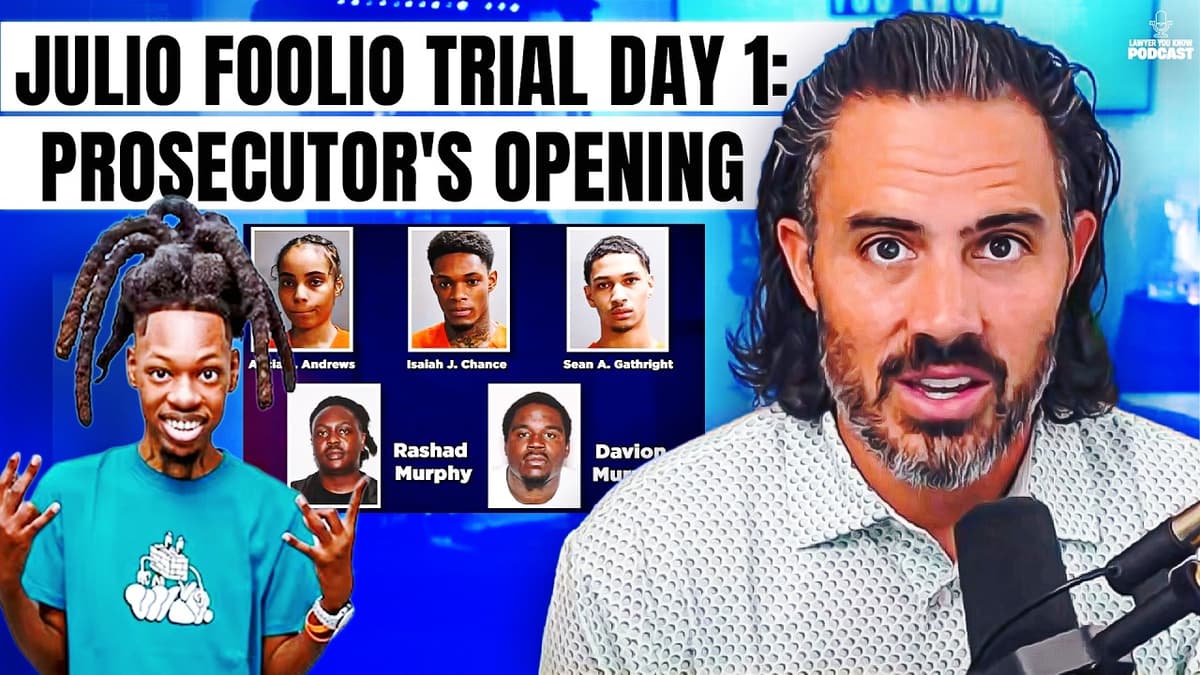
Julio Foolio Trial Day 1: Prosecutor's Opening Statement - Is This A Slam Dunk?
The opening statement in the Julio Fulio murder trial lays out a narrative that the state views as a straightforward gang conspiracy. Prosecutors will rely heavily on video footage, cell‑phone triangulation, text messages, and drill‑rap lyrics to link four co‑defendants...
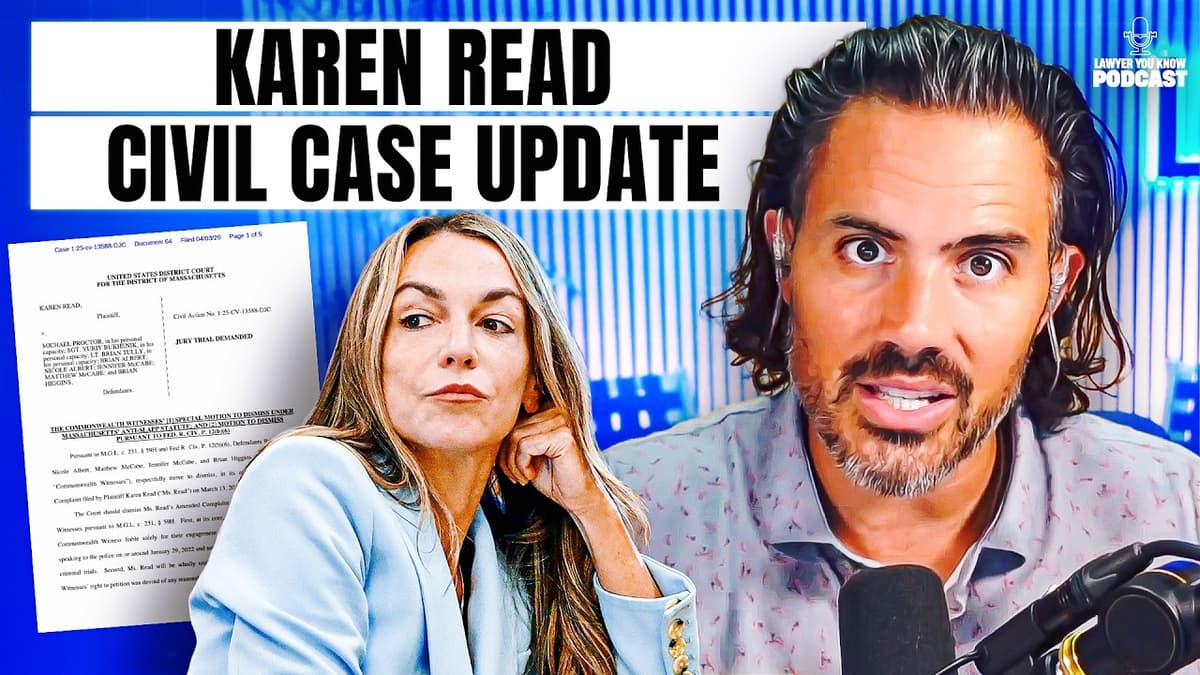
Read Civil Update Who's Getting Deposed, Who's Not? House Defendants' Motion To Dismiss + Affidavits
The Lawyer You Know podcast dissected the recent status conference in the Karen Reed civil litigation, highlighting the parallel state case O'Keefe v. Reed. Attorneys outlined deposition schedules, noting that eleven depositions have been noticed but none have occurred, and...
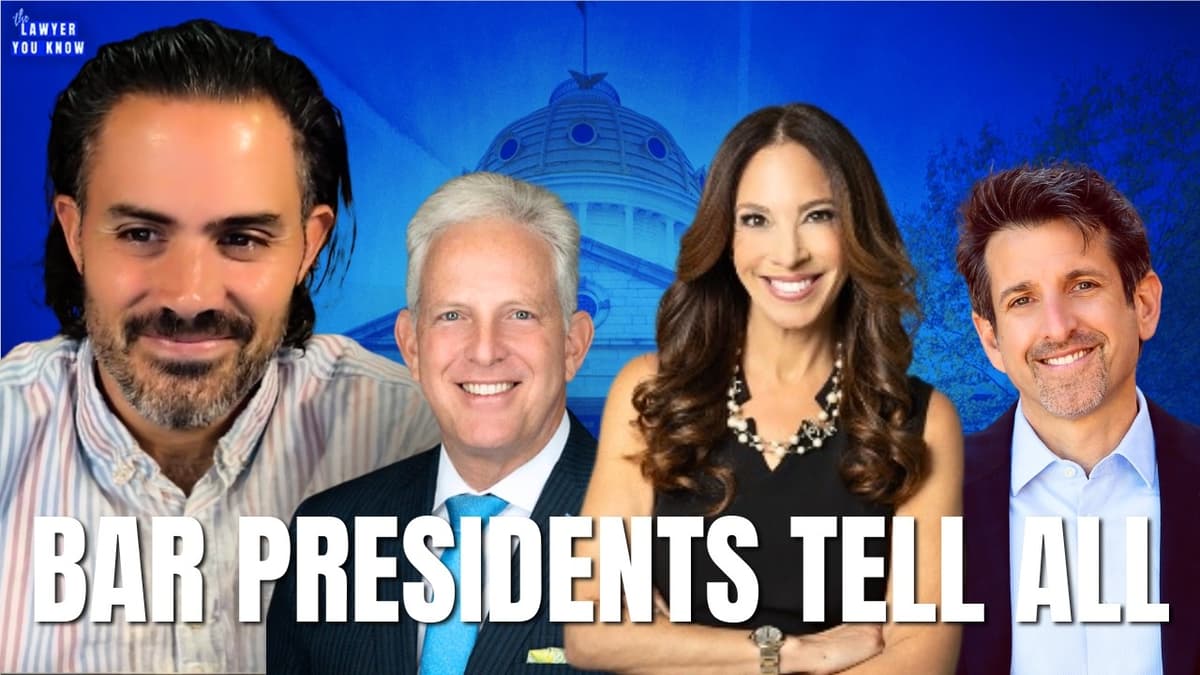
Florida Bar Presidents Talk Most Shocking Lawyer Nightmares, Cameras in Court, & the AI Problem
The video brings together three former Florida Bar presidents to discuss the organization’s role in policing lawyer conduct, the rapid adoption of technology after COVID‑19, and emerging issues such as AI, cybersecurity, and courtroom cameras. The panel explains the Bar’s complaint‑driven...
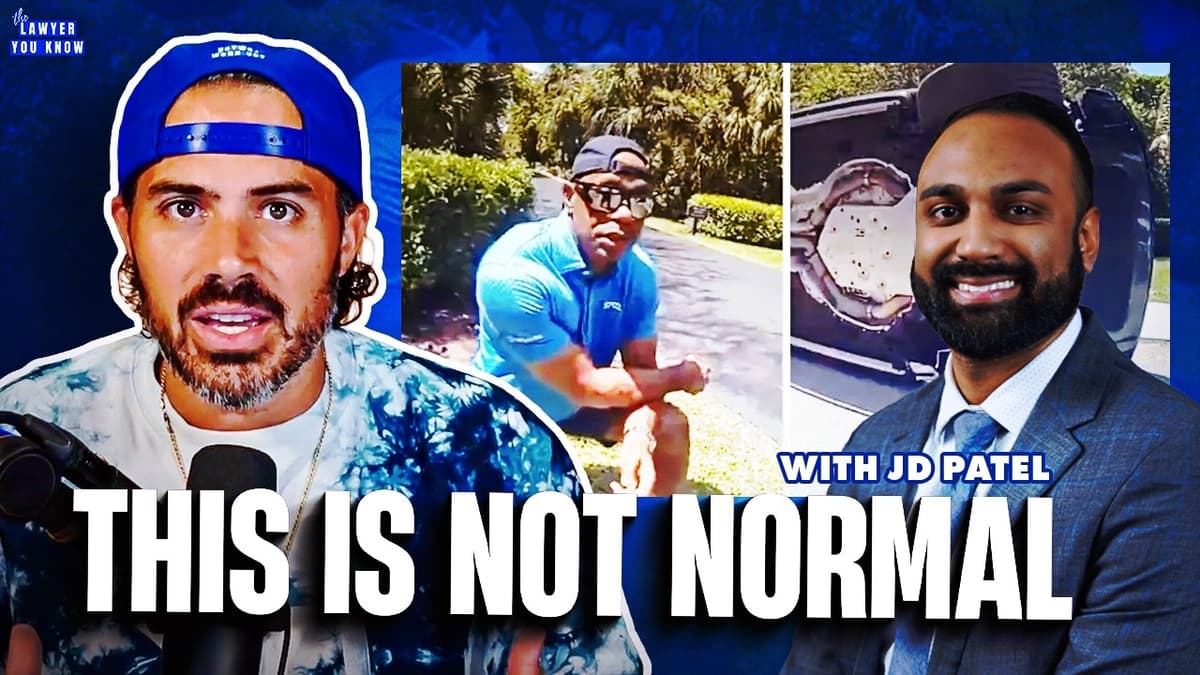
How Will A Defense Lawyer Use the Body Worn Camera Footage in Tiger Woods' DUI Case?
A defense lawyer in Tiger Woods' DUI case can leverage body‑worn camera (BWC) footage to contest the prosecution’s narrative. The video may show Woods’ behavior, speech, and interactions with officers, potentially proving sobriety or exposing procedural missteps. By analyzing timestamps...

MA V. Kelsey Fitzsimmons - VERDICT
The livestream titled “MA v. Kelsey Fitz Simmons – VERDICT” featured a real‑time broadcast of the judge’s reading of the verdict in the Massachusetts case, with the host narrating courtroom movements and inviting viewers to react via chat. Viewers learned that...

UT V. Kouri Richins - Verdict Reaction with Big George
The video captures a post‑verdict analysis of the Utah trial of Kouri Richins, focusing on the jury’s guilty findings across multiple counts, including the controversial attempted‑murder charge and a lesser “sandwich” charge. The commentators note that prosecutors deliberately layered several related...

UT V. Kouri Richins: Trial - Juror Speaks Out
A juror who served on the four-person panel that convicted Utah mother Corey Richins of killing her husband spoke publicly, saying the group reached unanimous guilty verdicts on all five counts — including aggravated murder — after less than three...

UT V. Kouri Richins: Trial Day 13 - WOW - The Case Is Over - How Confident Should Richins Be?
Day 13 of the Kouri Richins murder‑for‑insurance trial unfolded with the defense pressing the court to expose investigative gaps while the prosecution guarded its narrative. The focal point was whether the defense could question Detective O’Driscoll about leads the state...