

If You Think LinkedIn Is the Problem, You’re Using It Wrong 👀💡#SHORTS
The video argues that LinkedIn isn’t the obstacle; rather, users overlook three under‑used tools that can dramatically boost job‑search results. First, the creator advises turning off the “Open to Work” badge, waiting 24 hours, then re‑enabling it. This brief pause signals a fresh search to recruiters and can increase profile views. Second, on any target company’s LinkedIn page, clicking the “I’m interested” button under the Jobs tab notifies that firm’s hiring team of the candidate’s intent. Third, joining industry‑specific groups provides free access to members’ contact information, allowing direct messages without a Premium subscription. The speaker emphasizes practical steps: “Turn off Open to Work, wait a day, then turn it back on,” and “Use the ‘I’m interested’ button to alert recruiters.” He also demonstrates how to locate the members list on a group’s sidebar and send a concise outreach message. By leveraging these tactics, job seekers can increase visibility, bypass paid features, and tap into hidden recruiter pipelines, potentially shortening the time to secure interviews and offers.
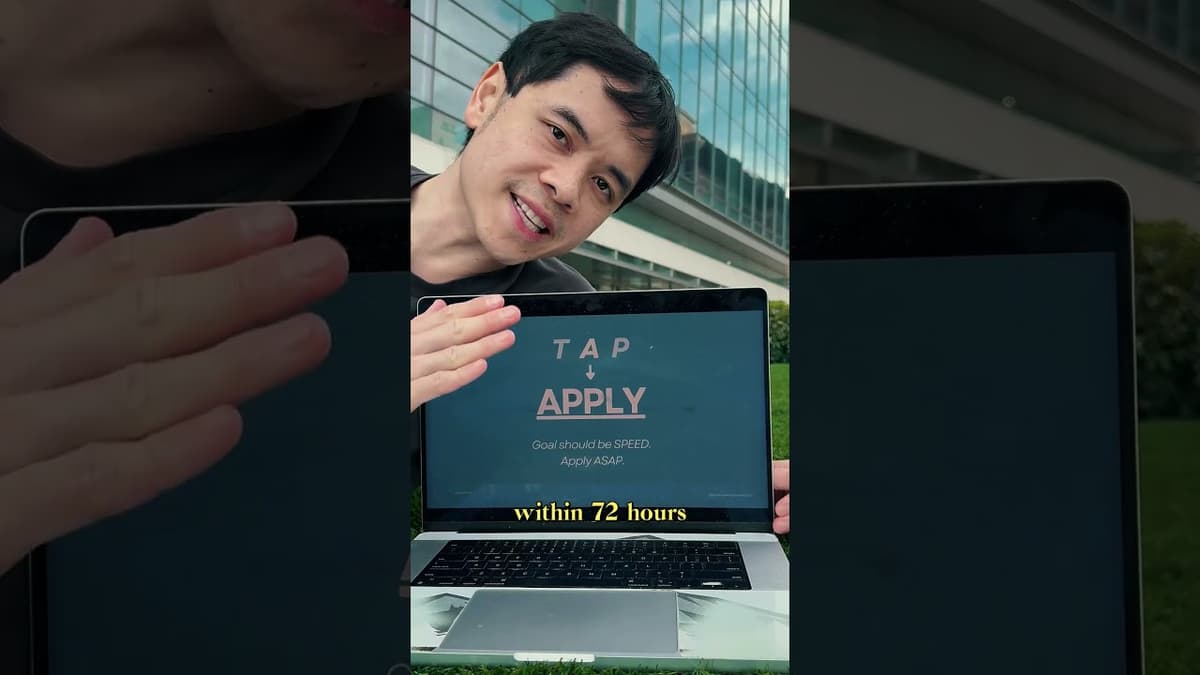
The Truth About Getting Hired in 2026 💯💡#SHORTS
The video introduces a streamlined hiring strategy for 2026, dubbed the TAP method—Title, Apply, Prioritize—aimed at helping candidates break through recruiter overload. Instead of customizing a resume for every posting, the creator advises aligning the document with the broader job...

How to Not Be Replaced by AI 👀💡#SHORTS
The short video warns that 99% of workers risk replacement by AI, but offers a four‑step roadmap to stay in the protected 1%. First, it urges viewers to master basic prompting techniques, recommending free courses such as Anthropic’s to reliably shape...

The LinkedIn Message that Got Someone Hired 🤯💡#SHORTS
The video highlights a practical LinkedIn outreach formula that turned a casual connection into a four‑year tenure at One Consulting. The founder recounts how Aleaf, an email‑marketing agency owner, repeatedly engaged with his LinkedIn live events and content before requesting...
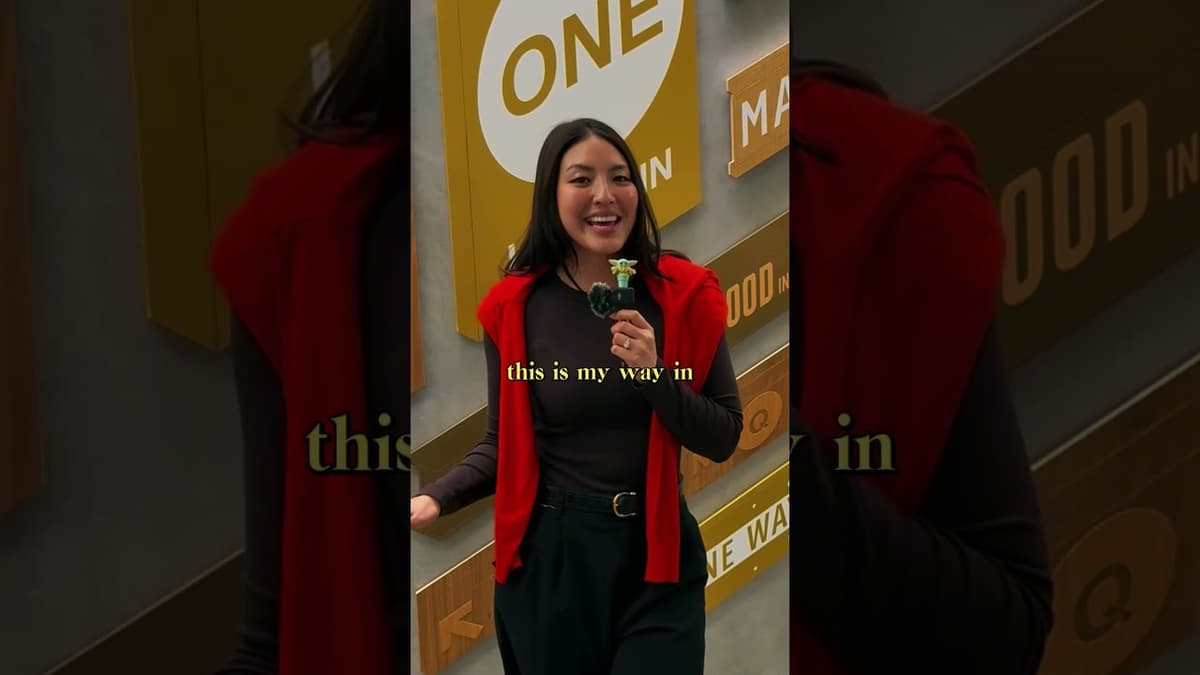
Head of Brand's Spiciest Opinion: You Need to STALK Your Hiring Managers on LinkedIn 👀💡#SHORTS
The video urges job seekers to treat LinkedIn like a scouting tool, recommending they "stalk" hiring managers rather than sending cold connection requests. The speaker argues that a focused, intentional approach—starting with three target companies—boosts visibility and relevance in the...
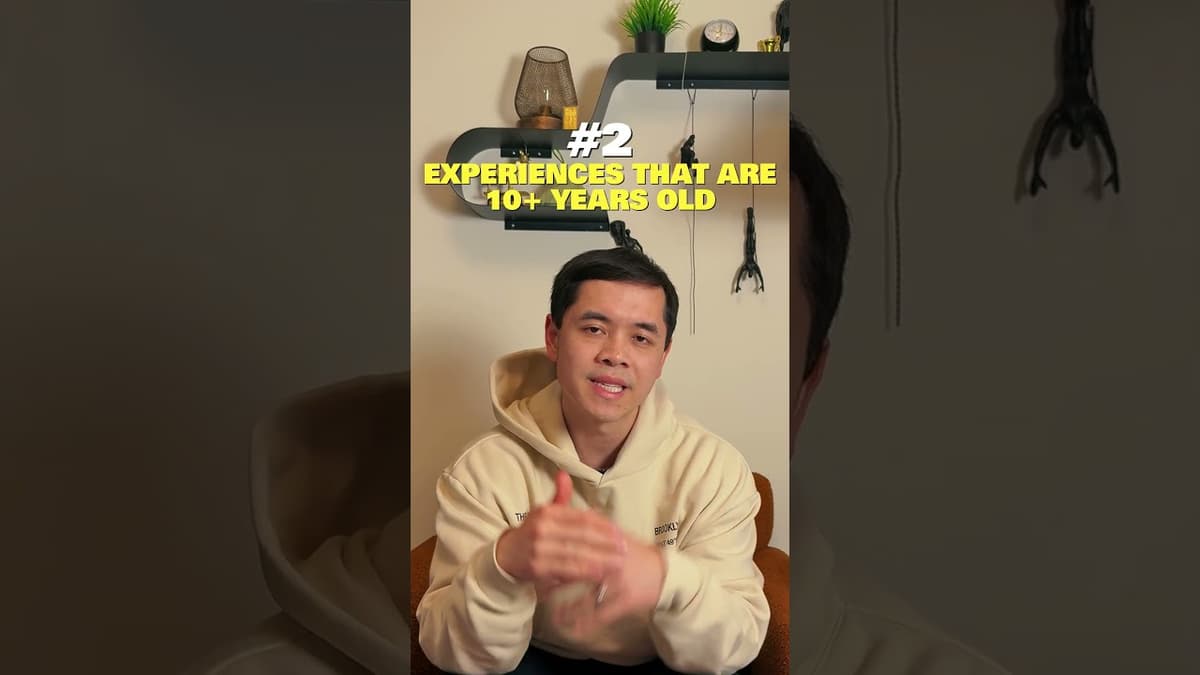
POV: From a Founder Who's Hired 40+ People 👀💡#SHORTS
A founder who has hired over 40 employees shares a concise guide on how job seekers can conceal their age on resumes to sidestep bias, especially for entry‑level positions where he prefers candidates under 35. He advises removing the graduation year,...
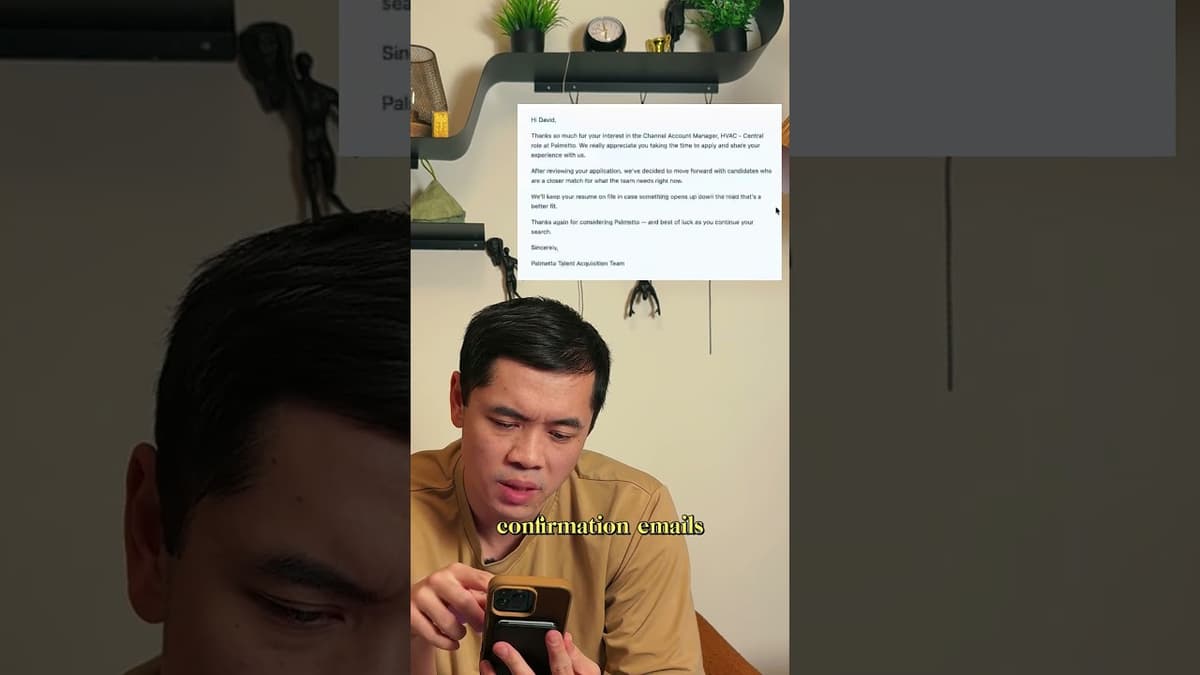
Myth-Busting if Sprout Actually Works (From a Hiring Manager) 👀💡 #SHORTS
A hiring manager posted a short video testing Sprout, an AI‑powered platform that promises instant job applications. He swiped through 80 sales‑focused listings in a single day, letting the app generate a tailored resume for each role, then waited a...
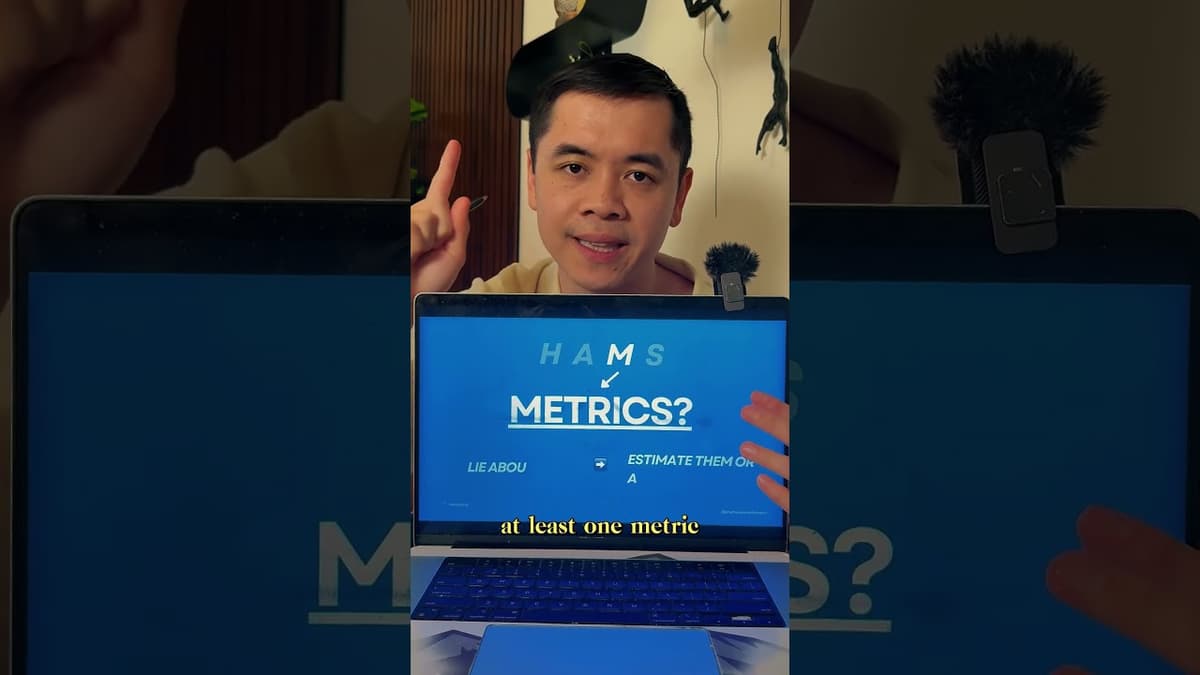
POV: You're Getting 0 Interviews because Your Resume Is Trash 👀💡#SHORTS
The video introduces the HAMS method—a four‑step checklist designed to transform resume bullet points and boost interview callbacks. It targets job seekers who struggle to get responses by prescribing a repeatable formula for each achievement line. HAMS stands for Hard skill,...

I Applied to 50 Jobs to Test if GPA Matters in Landing You More Interviews 👀💡#SHORTS
The creator conducted a controlled experiment, sending three identical resumes—one with a 4.0 GPA, one with a 2.0 GPA, and one with no GPA—to the same 50 entry‑level and internship postings to gauge how academic performance influences interview callbacks. Results showed...

These Are AI Job posts...👀💡#SHORTS
The video warns that AI is reshaping recruitment, turning ordinary listings into “AI job posts” that are filtered by algorithms before a human ever reviews them. It explains that companies embed AI‑friendly keywords and use automated resume‑screening tools, meaning candidates can...

POV: You Hired 1 Person Out of 4,800 Job Applications without experience...here's Why 👀💡#SHORTS
The video explains how a hiring manager selected one candidate out of 4,800 applications for a social‑media role, emphasizing the razor‑thin margin between qualified applicants and those who actually receive an interview. It reveals that although 23 % of candidates met...

2026 Job Market Predictions You Should Know About 👀💡
The video outlines four bold predictions for the 2026 job market, emphasizing that artificial intelligence will reshape how work gets done and that traditional hiring cycles are about to shift dramatically. It warns that workers who ignore AI‑enhanced productivity risk...

Unpopular Opinion About Goal Setting 👀💡#SHORTS
The video challenges conventional goal‑setting, arguing that achieving nearly all targets signals goals are too easy. It promotes “audacious dream goals” modeled after high performers who intentionally hit only about half of them. The creator outlines a six‑category framework—business, health, wealth,...

Founder's Spiciest Opinion: This Founder Sold His Company for $40M. Here's Why! 👀💡#SHORTS
The short video features a founder who sold his company for $40 million and shares his “spiciest opinion” on why the leap from Missouri to San Francisco at age 22 was not a risk but pure uncertainty. He argues that risk can...